Dubai’s journey from a modest trading port to a powerhouse of global commerce is nothing short of extraordinary. Just a few decades ago, the city’s economy relied heavily on oil revenues, but today it stands as a diversified economic engine fueled by tourism, finance, logistics, and—most importantly—real estate. The transformation wasn’t accidental; it was a deliberate strategy driven by visionary leadership, infrastructure investments, and a relentless focus on global integration.
What makes Dubai unique is its ability to reinvent itself continuously. Unlike traditional cities that evolve slowly, Dubai operates like a startup on a global scale—fast, adaptive, and always ahead of trends. This agility has allowed it to capitalize on shifts in global capital flows, especially in the commercial real estate sector. Businesses from around the world see Dubai not just as a place to operate but as a strategic base for expansion into the Middle East, Africa, and South Asia.
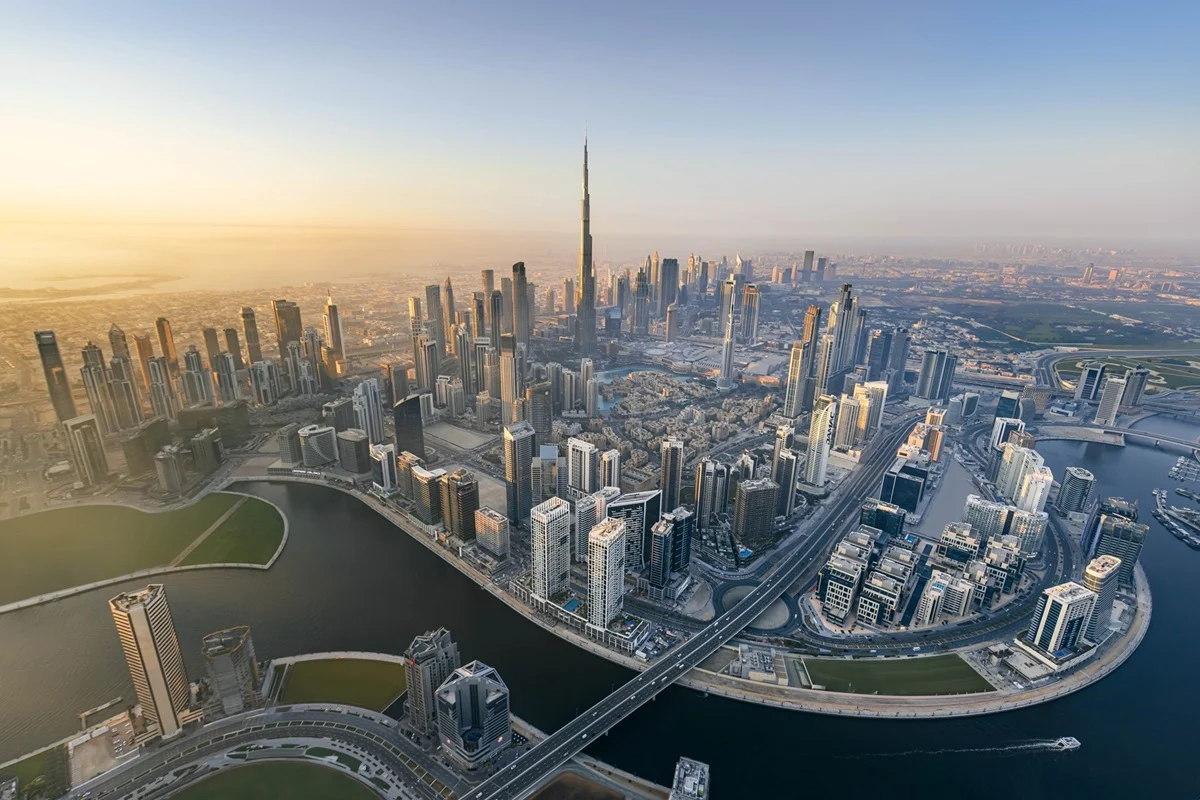
The commercial real estate landscape reflects this evolution vividly. From iconic skyscrapers to sprawling business parks, Dubai has built an ecosystem where companies can thrive. And now, as we move into 2026, the city is entering what many experts consider a historic phase—one defined by unprecedented growth, innovation, and investor confidence.
Key Milestones in Market Transformation
Dubai’s real estate transformation has been punctuated by several key milestones that have reshaped its commercial property market. The introduction of freehold property ownership laws in the early 2000s opened the floodgates for foreign investment. This was followed by large-scale developments like Business Bay and Dubai Marina, which set new standards for urban planning and commercial infrastructure.
More recently, the city has embraced digital transformation and regulatory innovation. For instance, a newly launched unified platform integrating real estate and residency services is simplifying transactions and boosting investor confidence . This kind of initiative demonstrates how Dubai continues to remove friction from the investment process, making it one of the most accessible markets globally.
Each milestone has contributed to a cumulative effect: a mature, resilient, and highly attractive commercial real estate market. Today, Dubai isn’t just competing with regional hubs—it’s positioning itself alongside global giants like London, New York, and Singapore.
Why 2025–2026 Marks a Turning Point
Record-Breaking Growth Statistics
If you’re wondering whether Dubai’s real estate boom is just hype, the numbers tell a very different story. In 2025, the UAE real estate market experienced remarkable expansion, with Dubai alone recording a 31% year-on-year growth in value . That’s not incremental growth—it’s exponential momentum.
Even more striking is the commercial segment. Transaction values in Dubai’s commercial real estate market surged by 61% year-on-year, outpacing residential growth and signaling a structural shift in investor focus . This indicates that businesses—not just individuals—are betting heavily on Dubai’s future.
The scale of activity is equally impressive. Reports show 13,175 sales transactions in the commercial sector with a total value of AED 135.6 billion, reflecting a 42.1% increase year-on-year . These aren’t just numbers; they represent a surge in confidence, capital, and long-term commitment.
Surge in Commercial Property Transactions
The surge in commercial property transactions is not a coincidence—it’s the result of converging factors that make Dubai uniquely attractive. From multinational corporations setting up regional headquarters to startups scaling rapidly, demand for office space, retail units, and logistics hubs is skyrocketing.
One particularly interesting trend is the rise in off-plan commercial investments. Investors are not just buying existing assets; they’re betting on future developments, which reflects a high level of trust in the market’s trajectory. Primary transactions in the commercial sector have grown significantly, driven by optimistic economic forecasts and a steady influx of businesses.
At the same time, secondary market activity remains strong, indicating that existing assets are also in high demand. This dual momentum—primary and secondary—creates a robust ecosystem where liquidity is high, and opportunities are abundant.
Key Drivers Behind Dubai’s Commercial Boom
Population Growth and Talent Influx
Dubai’s population growth is a critical driver of its commercial real estate boom. In 2025 alone, the city experienced a net inflow of over 200,000 residents . These aren’t just numbers; they represent skilled professionals, entrepreneurs, and investors who bring economic activity with them.
Think about it—every new resident needs services, workplaces, and infrastructure. This creates a ripple effect that boosts demand for commercial spaces across sectors. From co-working hubs to corporate offices, the need for high-quality commercial real estate continues to rise.
Business-Friendly Policies and Tax Benefits
Dubai’s zero-income tax policy and investor-friendly regulations make it a magnet for global businesses. Unlike many Western markets burdened with high taxes and regulatory complexities, Dubai offers a streamlined environment where companies can operate efficiently and profitably.
This ease of doing business is a major factor behind the surge in commercial real estate demand. Companies are not just relocating—they’re expanding, hiring, and investing in long-term infrastructure.
Strategic Location and Global Connectivity
Geographically, Dubai sits at the crossroads of Europe, Asia, and Africa. This strategic positioning makes it an ideal hub for international trade and business operations. With world-class airports, ports, and logistics infrastructure, the city offers unparalleled connectivity.
For commercial real estate, this translates into high demand for logistics facilities, warehouses, and office spaces. Businesses want to be where the action is—and right now, that place is Dubai.
The Role of Government Policies
Golden Visa and Residency Incentives
One of the most transformative policies in recent years has been the introduction of long-term residency options like the Golden Visa. These initiatives have fundamentally changed how people view Dubai—not just as a temporary destination but as a long-term home.
This shift has a direct impact on commercial real estate. When people settle long-term, they start businesses, invest in infrastructure, and contribute to economic stability.
Digital Transformation in Real Estate Services
Dubai is also leading the way in digital transformation. The integration of real estate and residency services into a single platform is a game-changer, reducing bureaucracy and enhancing efficiency .
This kind of innovation not only attracts investors but also sets a new benchmark for global real estate markets.
Sector-Wise Commercial Growth
Office Spaces and Grade A Demand
The demand for Grade A office spaces is at an all-time high. Companies are looking for modern, sustainable, and well-connected workplaces that align with their brand and operational needs.
Retail and Mixed-Use Developments
Retail spaces are evolving into experiential hubs, combining shopping, dining, and entertainment. Mixed-use developments are becoming increasingly popular, offering integrated living and working environments.
Industrial and Logistics Expansion
With the rise of e-commerce and global trade, demand for industrial and logistics spaces is booming. Dubai’s strategic location makes it a key player in global supply chains.
Investment Trends and Opportunities
Rise of Institutional Investors
Institutional investors are increasingly entering the Dubai market, bringing with them large-scale capital and long-term investment strategies. This adds stability and credibility to the market.
High Net Worth Individual (HNWI) Migration
Dubai has become a global hotspot for wealth migration, attracting billions in capital inflows. This trend is driving demand for premium commercial assets.
Comparing Dubai to Global Markets
Rental Yields vs Global Cities
| City | Average Rental Yield |
|---|---|
| Dubai | 7–9% |
| London | 3–5% |
| New York | 2–4% |
Dubai clearly outperforms many global cities in terms of rental yields, making it an attractive option for investors.
Ease of Doing Business
Dubai consistently ranks among the top cities for ease of doing business, thanks to its streamlined regulations and supportive government policies.
Challenges and Market Risks
Supply vs Demand Balance
While demand remains strong, increasing supply could lead to price stabilization in certain segments. This is a natural part of market maturation.
Market Volatility Concerns
Some analysts warn of potential volatility, especially given global economic uncertainties. However, Dubai’s diversified economy provides a strong buffer.
Future Outlook for 2026 and Beyond
Sustainability and Smart Cities
Dubai is investing heavily in sustainable development and smart city initiatives. These innovations will shape the future of commercial real estate.
Long-Term Investment Potential
Looking ahead, Dubai’s commercial real estate market shows strong long-term potential. With continued economic diversification and global integration, the city is well-positioned for sustained growth.
Conclusion
Dubai is not just experiencing a real estate boom—it’s undergoing a structural transformation that is redefining the global commercial property landscape. With record-breaking growth, innovative policies, and a strategic vision, the city has created a unique advantage that few markets can match.
For investors, businesses, and entrepreneurs, this is more than an opportunity—it’s a historic moment.
FAQs
1. Why is Dubai’s commercial real estate market growing so fast?
Dubai’s growth is driven by population inflows, business-friendly policies, and strong economic diversification.
2. Is Dubai a good place to invest in commercial property?
Yes, high rental yields and strong demand make it one of the most attractive markets globally.
3. What are the risks of investing in Dubai real estate?
Potential risks include market volatility and oversupply in certain segments.
4. How does Dubai compare to other global cities?
Dubai offers higher rental yields and easier business regulations compared to cities like London and New York.
5. What is the future outlook for Dubai’s real estate market?
The outlook remains positive, with continued growth expected through 2026 and beyond.