Dubai’s real estate market has once again captured global attention, recording an astonishing $5 billion in property transactions within just one week. This surge highlights not only the resilience of the emirate’s property sector but also its continued appeal to both local and international investors. According to official data, the total transaction value reached approximately AED 18.28 billion, with thousands of deals completed across residential, commercial, and land segments .
What makes this milestone even more compelling is the diversity of transactions contributing to this figure. From high-end luxury apartments to mid-range residential units, the market demonstrated strong activity across all segments. The sheer volume—over 3,700 transactions in a single week—signals a healthy and dynamic property ecosystem that continues to evolve despite global uncertainties .
The numbers also reveal something deeper: Dubai isn’t just experiencing a temporary spike—it’s maintaining a consistent trajectory of growth. Weekly figures like these are becoming increasingly common, reinforcing the emirate’s position as a global real estate powerhouse. Investors, developers, and analysts are all closely watching these trends, trying to decode what’s driving this sustained momentum and whether it can continue in the long term.
Key Figures and Market Highlights
The headline number—$5 billion—is impressive on its own, but the underlying details paint an even richer picture. Sales transactions accounted for the majority of this figure, supported by mortgage deals and property transfers. The breadth of activity indicates a balanced market where both cash buyers and financed buyers are actively participating.
Another standout statistic is the consistency of high-value deals. The market isn’t just driven by volume; it’s also powered by significant individual transactions that elevate the overall value. This combination of high volume and high value is what makes Dubai’s real estate market particularly unique compared to other global cities.
Record-Breaking Apartment Sale
Among all transactions, one deal stood out: a luxury apartment sold for approximately $33 million (AED 121 million). This sale alone underscores the growing demand for ultra-premium properties in Dubai. High-net-worth individuals are increasingly viewing the city as a safe haven for wealth preservation and lifestyle investment.
This isn’t just about buying property—it’s about acquiring status, security, and long-term value. Such high-value transactions often occur in iconic locations, where exclusivity and prestige command premium prices. And as we’ll explore later, this luxury segment is playing a crucial role in shaping the overall market dynamics.
Breakdown of Weekly Transactions
Understanding how this $5 billion figure is distributed provides valuable insights into market behavior. It’s not a monolithic number; rather, it’s composed of multiple transaction types that collectively define the health of the sector.
Sales Transactions vs Mortgages
Sales transactions dominated the weekly figures, accounting for the bulk of the total value. This indicates strong buyer confidence, particularly among investors who are willing to commit significant capital. Mortgage transactions also contributed a substantial portion, highlighting the role of financing in supporting market activity.
Interestingly, the balance between cash and financed purchases reflects a mature market structure. While Dubai is known for its high percentage of cash buyers, the presence of mortgage activity suggests broader accessibility and participation.
Volume of Deals and Market Activity
With over 3,716 sales transactions recorded in a single week, the market is clearly operating at a high level of efficiency and demand . This level of activity isn’t just impressive—it’s indicative of a thriving ecosystem where buyers and sellers are actively engaging.
Think of it like a bustling marketplace: deals are happening at every level, from entry-level apartments to multi-million-dollar penthouses. This diversity ensures that the market remains resilient, even when certain segments experience fluctuations.
Why Dubai Real Estate Is Thriving
So, what’s fueling this extraordinary growth? The answer lies in a combination of strategic policies, global positioning, and investor sentiment.
Foreign Investment Influx
Dubai has successfully positioned itself as a global investment hub. With no property taxes, high rental yields, and a stable currency, it offers an attractive proposition for international buyers. Investors from Europe, Asia, and the Middle East are pouring capital into the market, seeking both returns and security.
This influx of foreign investment has created a ripple effect, boosting demand across all property segments. It’s not just about luxury buyers—mid-market investors are also entering the scene, further strengthening the market.
Government Policies and Incentives
Government initiatives have played a pivotal role in driving growth. Long-term visas, residency programs, and investor-friendly regulations have made it easier for foreigners to own property in Dubai. These policies have transformed the real estate sector into a cornerstone of the emirate’s economic strategy.
The Rise of Luxury Property Segment
The luxury segment deserves special attention, as it continues to outperform expectations.
Ultra-High-Net-Worth Buyers
Dubai is increasingly attracting ultra-high-net-worth individuals (UHNWIs) who are looking for more than just a home—they want a lifestyle. From waterfront villas to sky-high penthouses, the city offers a range of exclusive properties that cater to this elite clientele.
Premium Locations Driving Value
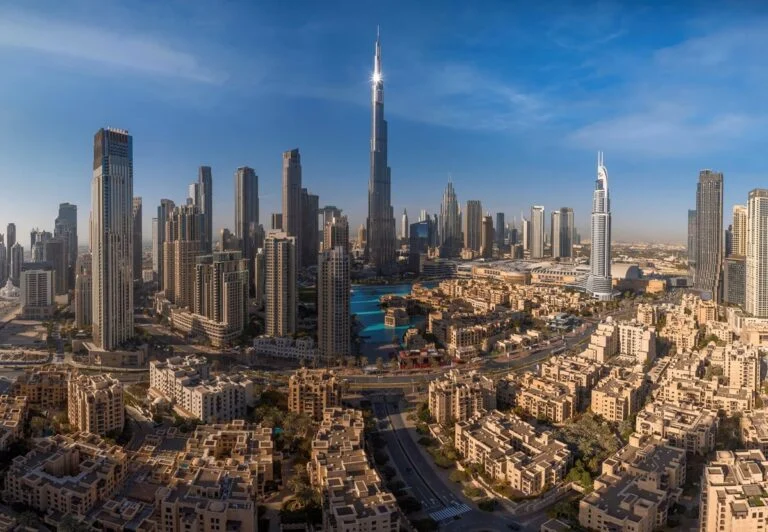
Areas like Downtown Dubai and the Burj Khalifa district remain hotspots for luxury transactions. These locations offer unparalleled views, world-class amenities, and a level of prestige that few cities can match.
Mid-Market and Affordable Housing Trends
While luxury properties grab headlines, the mid-market segment is equally important.
Demand from Expats and End-Users
Dubai’s growing population, driven by expatriates, is fueling demand for affordable housing. These buyers are looking for practical, well-located properties that offer good value for money.
Rental Yields and ROI Appeal
One of Dubai’s biggest advantages is its high rental yields, often ranging between 6% and 9%. This makes it an attractive option for investors seeking steady income.
Market Resilience Amid Global Uncertainty
Despite global challenges, Dubai’s real estate market continues to demonstrate resilience.
Impact of Geopolitical Tensions
Recent geopolitical events have introduced some uncertainty, with reports indicating fluctuations in transaction volumes and investor sentiment . However, these impacts appear to be temporary rather than structural.
Investor Confidence and Long-Term Outlook
Long-term confidence remains strong. Investors are focusing on fundamentals such as population growth, infrastructure development, and economic diversification.
Opportunities for Investors
Dubai offers a wide range of opportunities for investors.
Short-Term vs Long-Term Investments
Short-term investors can benefit from quick capital appreciation, while long-term investors can enjoy stable rental income and asset growth.
Off-Plan vs Ready Properties
Off-plan properties often come with lower prices and flexible payment plans, while ready properties provide immediate returns.
Risks and Challenges in the Market
No market is without risks, and Dubai is no exception.
Oversupply Concerns
An increase in supply could put pressure on prices, particularly in certain segments.
Market Correction Predictions
Some analysts predict a potential correction, with price declines possible in the coming years if supply outpaces demand.
Conclusion
Dubai’s real estate sector continues to defy expectations, with $5 billion in weekly transactions serving as a powerful testament to its strength and resilience. From record-breaking luxury deals to robust mid-market activity, the market offers something for every type of investor.
The combination of strategic policies, global appeal, and strong fundamentals ensures that Dubai remains a key player in the global real estate landscape. While challenges exist, the overall outlook remains positive, making it an exciting space to watch—and invest in.