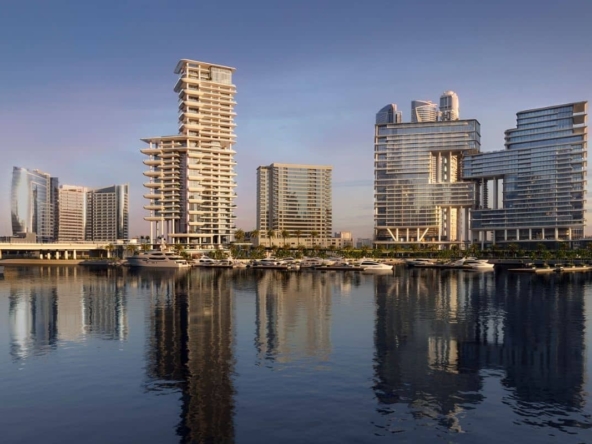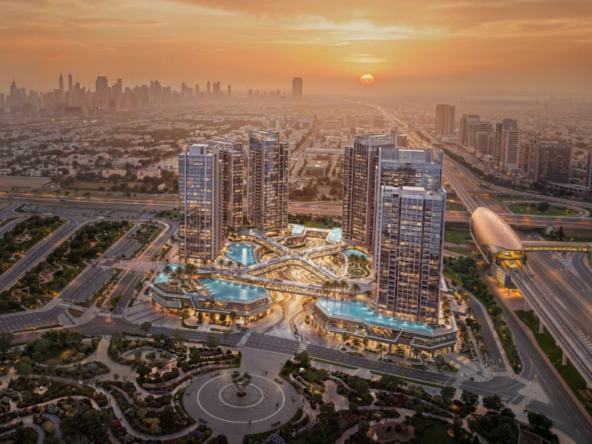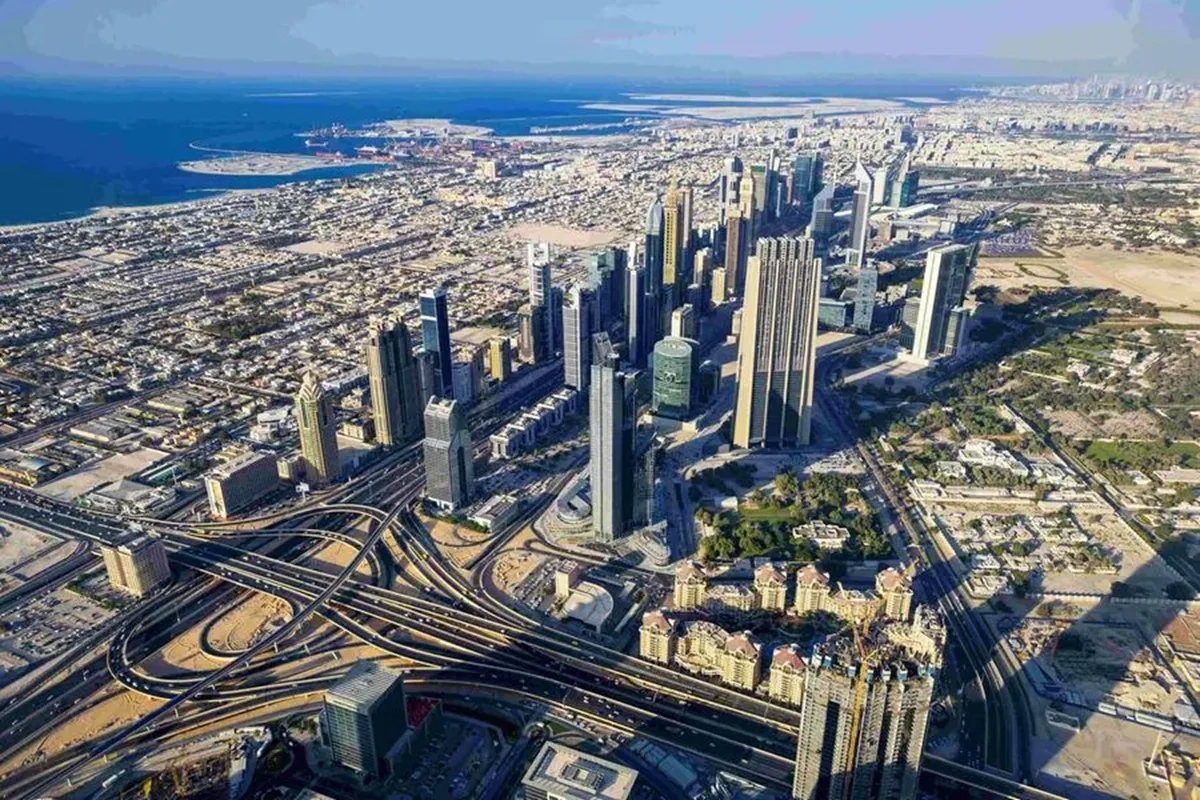
Dubai’s real estate market has always been a magnet for global investors, but the latest figures showing $6.26 billion in off-plan property transactions highlight something deeper than just activity—it signals resilience. While global markets have faced uncertainty due to inflation, interest rate fluctuations, and geopolitical shifts, Dubai continues to carve out a narrative of stability and long-term opportunity.
What makes off-plan properties particularly attractive is the promise they carry. Investors aren’t just buying a unit—they’re buying into a vision of future value. Developers in Dubai have mastered the art of presenting lifestyle-driven projects, often backed by flexible payment plans that reduce entry barriers. This dynamic is especially appealing in a market where rental yields and capital appreciation continue to outperform many global cities.
Interestingly, the steady performance of off-plan sales also reflects investor confidence in Dubai’s regulatory framework. The government has introduced initiatives like long-term visas, 100% foreign ownership, and enhanced escrow regulations, all of which contribute to a safer investment environment. These policies create a sense of security that encourages both institutional and individual investors to commit capital for the long haul.
In essence, the $6.26bn figure is not just a number—it’s a strong indicator that Dubai’s property market is transitioning from speculative cycles to a more mature, sustainable growth phase driven by strategic investment decisions.
What Is Driving the Surge in Off-Plan Property Transactions?
At first glance, one might assume that Dubai’s off-plan boom is purely speculative, but the reality is far more nuanced. Several structural and economic factors are fueling this surge, making it one of the most compelling property markets globally.
One of the primary drivers is affordability combined with flexible payment structures. Developers often offer post-handover payment plans, allowing buyers to pay in installments even after receiving the property. This significantly reduces financial pressure and opens the market to a wider pool of investors. Compared to cities like London or New York, Dubai offers relatively lower entry prices with higher potential yields.
Another critical factor is the influx of high-net-worth individuals (HNWIs) and expatriates. Dubai has positioned itself as a global hub for business, tourism, and innovation. With tax-free income, world-class infrastructure, and a high quality of life, it’s no surprise that more people are choosing to relocate—and invest—here. This growing population directly fuels demand for residential units, especially in emerging communities.
Additionally, mega projects and visionary developments such as Dubai Creek Harbour, Dubai South, and Expo City continue to capture investor imagination. These projects are not just about housing; they’re about creating integrated communities with retail, leisure, and business ecosystems. This long-term urban planning approach enhances property value over time.
Finally, digital transformation in real estate transactions has made investing easier than ever. Online platforms, virtual tours, and blockchain-based processes are reducing friction and increasing transparency, making it simpler for international investors to participate in Dubai’s booming off-plan sector.
Investor Psychology: Why Long-Term Gains Are the Real Focus
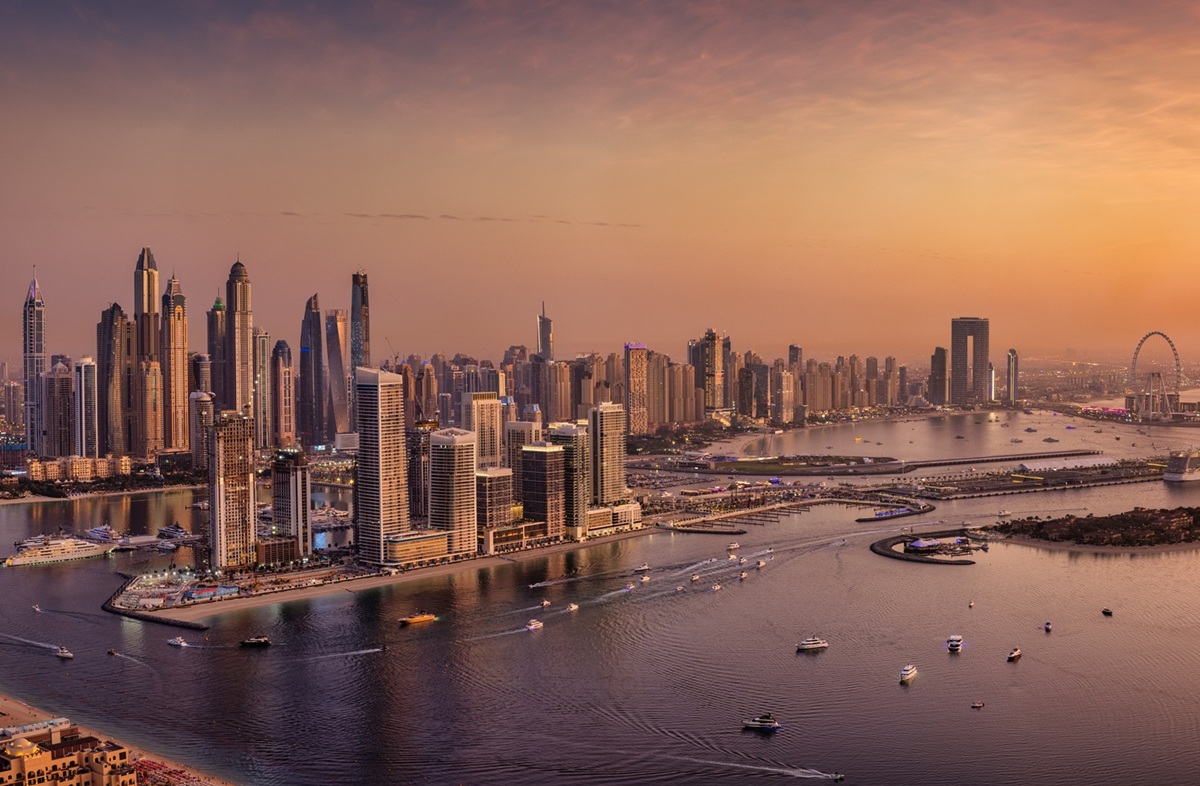
There’s a noticeable shift in investor behavior in Dubai’s property market. Gone are the days when quick flips dominated the scene. Today’s investors are playing a longer game, and that’s a healthy sign for the market.
Long-term investment strategies are being driven by consistent rental yields, which often range between 6% and 8% in Dubai—significantly higher than many mature markets. Investors are increasingly focused on building steady income streams rather than chasing short-term capital gains. This approach aligns with the broader economic stability Dubai offers.
Another factor influencing this mindset is the government’s commitment to economic diversification. With initiatives in technology, finance, tourism, and sustainability, Dubai is no longer just an oil-dependent economy. This diversification reduces risk and enhances long-term growth prospects, making property investments more secure.
Moreover, the introduction of residency programs linked to property ownership has added another layer of appeal. Investors aren’t just buying assets—they’re securing lifestyle benefits, including long-term visas. This dual advantage encourages them to hold onto properties for extended periods.
From a psychological standpoint, investors are also becoming more data-driven. Access to real-time market analytics, historical price trends, and ROI projections enables more informed decision-making. This shift toward analytical investing reduces speculative bubbles and contributes to market stability.
Key Areas in Dubai Dominating Off-Plan Investments
Not all locations in Dubai are created equal, and savvy investors know exactly where to look. Certain المناطق (areas) have emerged as hotspots for off-plan investments, offering a blend of affordability, growth potential, and lifestyle appeal.
Top Performing Off-Plan Areas in Dubai
| Area | Key Highlights | Investment Appeal |
|---|---|---|
| Dubai Marina | Waterfront living, high rental demand | Strong ROI, premium market |
| Business Bay | Central location, commercial hub | Ideal for professionals |
| Dubai Creek Harbour | Future-focused mega development | High appreciation potential |
| Jumeirah Village Circle (JVC) | Affordable housing options | High rental yields |
| Dubai South | Near Expo City, future airport hub | Long-term growth |
Dubai Creek Harbour, in particular, stands out due to its ambitious master plan and proximity to key landmarks. Similarly, JVC has become a favorite among mid-income investors due to its affordability and consistent rental demand.
Investors are also showing interest in emerging مناطق like Dubai South, which is expected to benefit significantly from infrastructure developments, including the expansion of Al Maktoum International Airport.
Risks and Challenges in the Off-Plan Market
While the outlook is largely positive, it’s important to approach Dubai’s off-plan market with a balanced perspective. Every investment carries risk, and understanding these challenges can make the difference between success and disappointment.
One of the primary risks is project delays. Although regulations have improved, delays can still occur due to construction issues or market conditions. This can impact expected returns and cash flow planning for investors relying on rental income.
Another concern is market oversupply. Dubai has experienced cycles of oversupply in the past, which can put downward pressure on prices and rental yields. However, current data suggests that demand is keeping pace with supply, thanks to population growth and economic expansion.
Price volatility is also a factor to consider. While long-term trends are सकारात्मक, short-term fluctuations can occur due to global economic conditions. Investors need to be prepared for these variations and avoid making decisions based on short-term market movements.
Lastly, choosing the right developer is crucial. Not all developers have the same track record, and investing in a project from a less reputable developer can increase risk. Conducting due diligence, reviewing past projects, and understanding escrow protections are essential steps before committing funds.
Future Outlook: What Lies Ahead for Dubai’s Property Market
Looking ahead, the future of Dubai’s off-plan property market appears promising. Analysts predict continued growth driven by strong fundamentals, including population वृद्धि, economic diversification, and government support.
Expo 2020’s legacy continues to play a role in shaping the market, with Expo City Dubai evolving into a hub for innovation and sustainability. This transformation is expected to attract businesses and residents, further boosting property demand.
Additionally, Dubai’s ambition to become one of the top global cities for digital economy and green initiatives will likely attract a new wave of investors. مشاريع (projects) focused on sustainability and smart living are expected to gain traction, aligning with global trends.
Experts also highlight that interest rates, while currently a concern globally, are unlikely to significantly derail Dubai’s market due to its strong cash buyer segment. This provides a cushion against external economic shocks.
Conclusion
Dubai’s off-plan property market holding steady at $6.26 billion in transactions is a testament to its resilience, strategic planning, and investor confidence. The shift toward long-term investment, coupled with government support and innovative developments, positions Dubai as a leading global real estate destination.
For investors, the key lies in making informed decisions—choosing the right location, developer, and investment horizon. With the right strategy, Dubai’s off-plan market offers not just returns, but a gateway to one of the world’s most dynamic and future-ready cities.
FAQs
1. What is off-plan property in Dubai?
Off-plan property refers to real estate that is purchased before construction is completed, often directly from developers at competitive prices.
2. Is Dubai off-plan property a good investment in 2026?
Yes, due to high rental yields, flexible payment plans, and strong market fundamentals, it remains a popular choice among global investors.
3. What are the risks of buying off-plan property in Dubai?
Key risks include project delays, market fluctuations, and choosing unreliable developers. Proper research can mitigate these risks.
4. Which areas are best for off-plan investment in Dubai?
Top areas include Dubai Marina, Business Bay, Dubai Creek Harbour, JVC, and Dubai South.
5. Can foreigners buy off-plan property in Dubai?
Yes, Dubai allows foreign ownership in designated freehold areas, making it accessible to international investors.