The Dubai property market in 2025 has achieved a historic benchmark, recording $185.5 billion in total real estate sales, reflecting the strongest annual performance ever documented in the emirate. This milestone is not merely a cyclical peak; it represents a structural transformation in market depth, transaction velocity, and buyer diversity. High-volume deal closures across residential, commercial, and mixed-use developments have elevated Dubai into the top tier of global real estate investment destinations.
Transaction volumes surged across both off-plan and ready properties, supported by streamlined digital conveyancing, transparent escrow mechanisms, and accelerated project delivery timelines. Developers expanded inventory in response to sustained demand, while brokerage networks scaled operations to manage rising investor inflows from Asia, Europe, the CIS, and the Middle East.
Population Expansion as a Core Demand Engine

Sustained Inward Migration
Dubai’s population growth has emerged as a primary structural driver behind the 2025 sales surge. Long-term residency programs, corporate relocations, and entrepreneurial visa pathways have driven a continuous inflow of professionals, families, and high-net-worth individuals. This demographic expansion directly translates into higher housing absorption rates, stronger leasing activity, and increased owner-occupier demand.
Household Formation and End-User Stability
The rise in permanent household formation has shifted demand toward mid- to premium-segment apartments, townhouses, and villas, particularly in master-planned communities offering education, healthcare, and lifestyle infrastructure. This end-user stability has strengthened price resilience, reduced speculative volatility, and encouraged developers to prioritize community-scale projects with long-term occupancy profiles.
Residential Sector Performance Across Key Communities
Prime Urban Districts
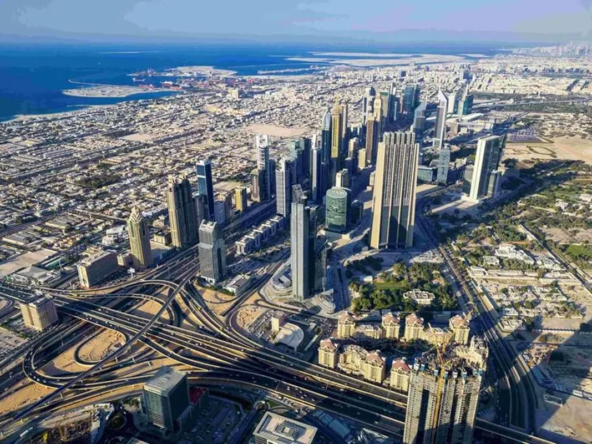
Central business and lifestyle hubs such as Downtown Dubai, Business Bay, Dubai Marina, and Jumeirah Beach Residence recorded sustained price appreciation, supported by limited supply and premium rental yields. Luxury apartments with smart-home integration, branded services, and waterfront views achieved rapid sell-through rates, particularly in new launches.
Suburban Growth Corridors
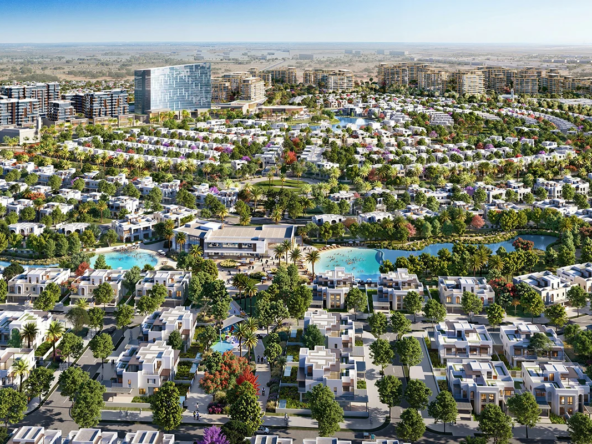
Suburban master communities including Dubai Hills Estate, Arabian Ranches, Emaar South, and DAMAC Hills absorbed significant transaction volumes due to competitive price-per-square-foot metrics and family-oriented planning. These districts benefited from infrastructure connectivity, retail integration, and proximity to emerging employment clusters.
Affordable Housing Expansion
To support workforce housing demand, developers increased supply in International City, Jumeirah Village Circle (JVC), Dubailand, and Al Furjan, delivering compact units optimized for rental returns and first-time buyers. These areas recorded high occupancy ratios and consistent capital appreciation driven by sustained tenant demand.
Luxury and Ultra-Luxury Market Acceleration

Branded Residences and Waterfront Assets
The luxury segment recorded one of the fastest growth rates in transaction value, with branded residences, beachfront villas, and signature penthouses commanding premium pricing. Projects affiliated with global hospitality and fashion brands attracted international investors seeking asset-backed lifestyle investments with high resale liquidity.
High-Value Single-Asset Transactions
Record-breaking villa sales on Palm Jumeirah and elite coastal enclaves underscored Dubai’s growing reputation as a global luxury real estate capital. These high-value transactions significantly contributed to aggregate market turnover, lifting average deal sizes and reinforcing confidence in long-term capital preservation.
Commercial Real Estate and Mixed-Use Developments
Office Market Repricing and Demand Shift
Grade A office assets experienced robust leasing activity driven by multinational expansions, fintech growth, and regional headquarters relocations. Premium towers in DIFC and Downtown recorded upward rental revisions, while flexible workspace providers expanded footprints to support hybrid corporate models.
Retail and Hospitality Integration
Mixed-use developments integrating residential, retail, hospitality, and office components achieved strong investor interest due to diversified income streams and operational resilience. Retail corridors in tourism-driven districts benefited from record visitor arrivals, boosting footfall-linked rental models and investor confidence.
Off-Plan Market Dominance and Developer Strategy
Pre-Construction Sales as Capital Engine
Off-plan transactions accounted for a substantial share of 2025 sales value, reflecting buyer confidence in delivery timelines and capital appreciation prospects. Flexible payment plans, post-handover structures, and early-phase price advantages continued to attract both investors and end-users.
Master Developer Pipeline Expansion
Leading master developers launched multi-phase communities with integrated schools, healthcare centers, retail zones, and green spaces. This ecosystem-driven approach supports higher long-term valuation, stronger resale demand, and reduced market cyclicality.
Investor Profiles and Capital Inflows
International Portfolio Allocation
Dubai increasingly features in global real estate portfolios as a hedge against currency volatility and geopolitical risk. Competitive transaction costs, absence of annual property taxes, and full foreign ownership rights enhance the emirate’s attractiveness for cross-border capital deployment.
Regional Capital Recycling
Regional investors reallocated capital from mature markets into Dubai’s growth corridors, targeting yield compression and early-stage appreciation. Institutional participation also increased through real estate funds and development partnerships.
Infrastructure and Urban Planning as Market Multipliers
Transport and Connectivity Enhancements
Ongoing metro expansions, arterial road upgrades, and logistics corridor development directly impact property valuation by reducing commute times and expanding catchment areas. New transit-oriented developments attracted early investment activity and rapid price uplift.
Smart City and Sustainability Integration
Energy-efficient building standards, district cooling systems, and smart utility management improved operating cost profiles for both residential and commercial assets. Sustainability-linked construction now influences buyer preferences, especially among institutional and ESG-focused investors.
Rental Market Dynamics and Yield Performance
Occupancy and Price Growth
Rental rates recorded consistent upward movement across most residential categories, supported by population growth and limited short-term supply in high-demand districts. This strengthened gross yields and improved cash-flow predictability for income-focused investors.
Short-Term Rental Market Expansion
Tourism-driven demand boosted short-term leasing platforms, particularly in waterfront and downtown districts. Professional holiday-home operators expanded portfolios, converting residential assets into hospitality-grade income generators.
Regulatory Environment and Market Transparency
Digital Land Registry and Transaction Efficiency
Blockchain-enabled title registration and digital contract processing reduced transaction cycles and improved market transparency. Faster settlements increased liquidity and supported higher deal throughput.
Escrow and Buyer Protection Frameworks
Mandatory escrow accounts and phased payment releases enhanced buyer security, reinforcing confidence in off-plan purchases and reducing project-delivery risk premiums.
Capital Appreciation Trends and Price Sustainability
Balanced Supply Absorption
Although new project launches increased, absorption rates remained aligned with population-driven demand, preventing oversupply risk in most segments. Developers calibrated release schedules to maintain price stability and preserve long-term asset value.
Asset Repricing in Prime Locations
Land scarcity in central districts continues to drive premium valuation, particularly for waterfront plots and transit-adjacent parcels. Redevelopment potential further elevates long-term capital appreciation prospects.
Global Positioning and Competitive Advantage
Dubai’s real estate ecosystem now competes directly with top-tier global cities on investment scale, transaction efficiency, and lifestyle infrastructure. Competitive regulatory frameworks, tax efficiency, and geopolitical neutrality collectively reinforce its role as a long-term capital magnet.
The $185.5 billion sales milestone in 2025 represents not only transactional success but also institutional maturity, urban scalability, and sustained demographic growth. The market’s evolution toward community-driven planning, sustainability integration, and mixed-use density ensures continued resilience across economic cycles.
Strategic Outlook for Investors and Developers
Growth Corridors and Infrastructure Nodes
Future value creation is expected to concentrate around new transit extensions, logistics hubs, and innovation districts, where early-stage entry offers compounded appreciation.
Product Differentiation and Branding
Developers increasingly compete through architectural distinction, wellness integration, and branded service partnerships, raising overall asset quality and resale competitiveness.
Institutional Market Participation
Higher institutional capital inflows are likely to further stabilize pricing, compress yields, and increase liquidity, positioning Dubai as a mature global real estate investment market with scalable growth capacity.
Conclusion: Market Scale Anchored by Structural Demand
Dubai’s property sector in 2025 reflects a convergence of population-driven demand, capital inflows, regulatory maturity, and infrastructure investment, resulting in the largest sales volume in its history. The market’s performance is underpinned by real occupancy needs, diversified investor participation, and continuous urban expansion, positioning it for sustained growth trajectories beyond cyclical market fluctuations.