The real estate sector in Dubai delivered an exceptional performance during Ramadan 2025, recording $10.6 billion in property sales, marking one of the strongest Ramadan periods in the emirate’s history. Traditionally viewed as a season of moderated transactional activity, Ramadan 2025 defied historical patterns with accelerated deal closures, heightened investor confidence, and sustained demand across residential, commercial, and off-plan segments.
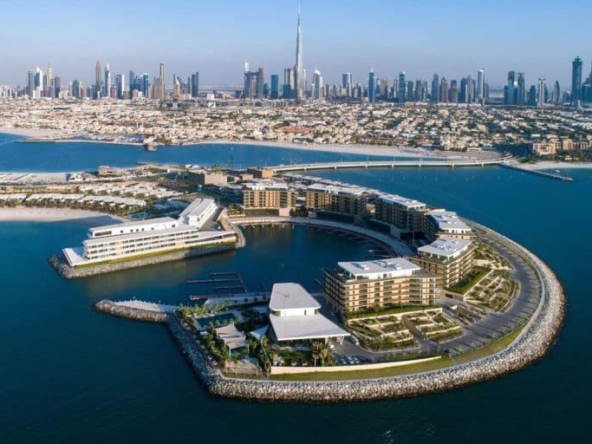
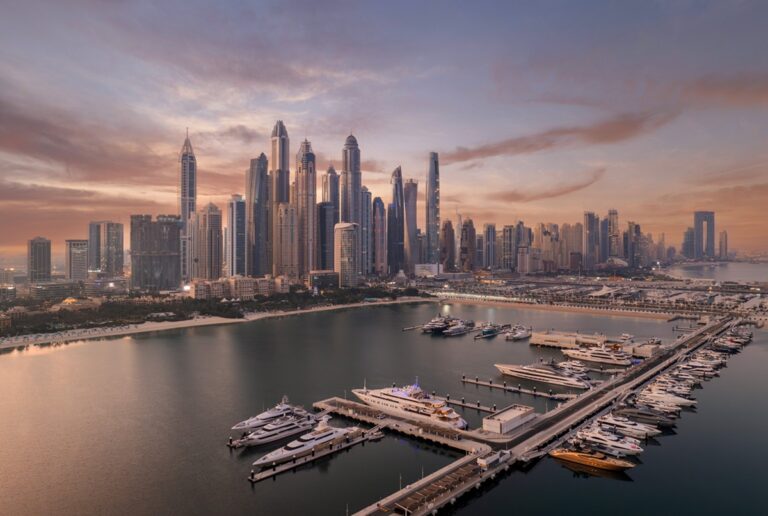
Transaction volumes surged across prime districts including Downtown Dubai, Palm Jumeirah, Dubai Marina, and Business Bay. The data confirms that the market is no longer seasonally constrained but structurally resilient, supported by diversified buyer profiles, foreign capital inflows, and strategic government-backed economic reforms.
The $10.6 billion milestone reflects not only elevated unit sales but also increased average ticket sizes, particularly within luxury and ultra-luxury brackets. High-net-worth individuals (HNWIs) and institutional investors played a significant role in sustaining deal velocity throughout the month.
Segment-Wise Breakdown of Ramadan 2025 Sales Performance
Luxury and Ultra-Luxury Market Acceleration
Luxury villas and waterfront apartments dominated transaction values. Prime assets above AED 10 million witnessed substantial absorption rates, driven by international buyers from Europe, Asia, and the GCC.
Key performance highlights:
-
Surge in waterfront property transactions
-
Increased demand for branded residences
-
Strong villa market momentum in gated communities
-
Limited supply pushing premium price appreciation
Ultra-luxury properties exceeding AED 25 million demonstrated exceptional liquidity, confirming Dubai’s positioning as a global safe-haven real estate destination.
Off-Plan Market Dominance
Off-plan developments accounted for a considerable percentage of Ramadan sales volume. Flexible payment plans, attractive post-handover schemes, and competitive pricing structures stimulated investor participation.
Developers capitalized on market confidence by launching new phases of master-planned communities. Pre-construction projects in emerging corridors such as Dubai South, Mohammed Bin Rashid City, and Jumeirah Village Circle experienced accelerated bookings.
Off-plan advantages included:
-
Lower entry points
-
Capital appreciation potential
-
Flexible financing models
-
Investor-friendly installment structures
Ready Property Transactions Maintain Strength
While off-plan dominated in volume, ready properties maintained robust transaction values. Buyers seeking immediate occupancy and rental yield opportunities favored completed apartments and villas in established communities.
Rental yield expectations ranging between 6% and 9% annually further reinforced investor appetite for ready inventory.
Investor Demographics and Capital Inflows
Ramadan 2025 highlighted the expanding diversity of investor origins. The buyer mix included:
-
European investors seeking capital preservation
-
Asian entrepreneurs expanding regional presence
-
GCC nationals consolidating luxury holdings
-
Russian and CIS buyers maintaining portfolio diversification
-
UK-based investors relocating capital
Foreign direct investment (FDI) into the property sector remains a cornerstone of Dubai’s economic expansion strategy. Residency-linked investment programs, long-term visas, and pro-business regulatory frameworks continue to enhance investor sentiment.
Price Trends and Capital Appreciation Patterns
Property values during Ramadan 2025 demonstrated sustainable upward movement rather than speculative spikes. The price growth trajectory indicates:
-
Steady appreciation in prime zones
-
Accelerated growth in emerging master communities
-
Stable secondary market liquidity
-
Limited distressed inventory
Luxury villa prices recorded double-digit year-on-year growth in select waterfront districts. Apartments in prime freehold locations also experienced appreciation supported by constrained supply and consistent demand.
Importantly, transaction activity did not result in overheating indicators. Mortgage approvals remained within responsible lending thresholds, and cash buyers dominated high-value segments.
Rental Market Reinforcement
The sales momentum was complemented by a strong rental market. High occupancy rates, corporate relocations, and expatriate population growth drove rental demand upward.
Key rental market trends:
-
Rising short-term rental activity
-
Corporate leasing in business hubs
-
Increased demand for furnished apartments
-
Higher renewal rates in prime communities
Rental growth directly enhanced gross yield attractiveness, further encouraging investor acquisitions during Ramadan.
Macroeconomic Drivers Supporting Growth
The sustained strength of the property market is aligned with broader macroeconomic fundamentals:
-
Economic diversification initiatives
-
Expansion of non-oil GDP
-
Population growth projections
-
Infrastructure investments
-
Continued tourism expansion
Dubai’s strategic positioning as a global logistics, finance, and tourism hub continues to anchor real estate demand. Major infrastructure projects, including transport expansions and mixed-use developments, reinforce long-term market stability.
Betterhomes Forecasts 12% Growth in 2026
Leading brokerage firm Betterhomes projects 12% overall market growth in 2026, reflecting sustained transactional momentum and healthy capital inflows.
The 2026 forecast is anchored on:
-
Continued international investor participation
-
Strong off-plan project pipelines
-
Stable mortgage environment
-
Controlled supply releases
-
High rental yield retention
The brokerage anticipates:
-
Double-digit growth in villa prices
-
Moderate apartment appreciation
-
Continued dominance of off-plan launches
-
Expansion in suburban master communities
This forward-looking projection underscores market depth and structural strength rather than cyclical acceleration.
Emerging Growth Corridors to Watch in 2026
Several development zones are positioned for outsized performance:
Dubai South
Proximity to Al Maktoum International Airport and Expo City strengthens long-term investment potential.
Mohammed Bin Rashid City
Luxury mixed-use communities continue attracting premium buyers.
Jumeirah Village Circle (JVC)
Affordable price points combined with high rental yields sustain investor demand.
Dubai Creek Harbour
Waterfront master planning enhances capital appreciation prospects.
These areas are expected to contribute significantly to 2026 growth targets.
Institutional Investment and Corporate Expansion

Institutional participation is steadily increasing. Real estate funds, private equity firms, and family offices are allocating capital toward residential and mixed-use portfolios.
Corporate relocation to Dubai continues to support:
-
Commercial leasing growth
-
Executive housing demand
-
Long-term corporate tenancy contracts
Business-friendly regulatory frameworks enhance cross-border corporate expansion, reinforcing property absorption capacity.
Supply Dynamics and Developer Strategy
Developers are demonstrating disciplined supply management. Instead of oversaturating the market, phased project releases ensure demand-supply equilibrium.
Key strategic patterns:
-
Master-planned community rollouts
-
Branded residential partnerships
-
Lifestyle-integrated developments
-
Sustainable design incorporation
Supply pipeline data suggests a balanced inventory influx, preventing structural oversupply risks.
Luxury Market Global Positioning
Dubai’s luxury market now competes directly with London, New York, Monaco, and Singapore in the ultra-prime category. However, relative price per square foot remains competitive, enhancing global attractiveness.
Luxury buyers are prioritizing:
-
Waterfront exclusivity
-
Smart home integration
-
Resort-style amenities
-
Private beach access
-
Branded lifestyle living
This global positioning contributes to transaction resilience even during traditionally slower periods such as Ramadan.
Outlook: Sustained Expansion Beyond 2026
The $10.6 billion Ramadan benchmark establishes a strong foundation for continued expansion. Market fundamentals indicate:
-
Capital appreciation stability
-
Rental yield sustainability
-
Investor diversification
-
Controlled supply pipelines
-
International demand consistency
With projected 12% growth in 2026, the property market trajectory remains upward, supported by demographic expansion, infrastructure upgrades, and policy-driven investor confidence.
Ramadan 2025 has redefined seasonal transaction expectations and reinforced Dubai’s standing as a globally competitive real estate powerhouse.
The market now operates with structural maturity, liquidity depth, and strategic oversight that positions it for sustained multi-year growth.