Dubai’s real estate sector has once again proven its resilience and global appeal, with property transactions climbing to approximately $37.8 billion (AED 138.7 billion) in the first quarter of 2026. This impressive figure reflects not just growth, but a deeper structural shift in how the market operates and who is investing. According to recent data, over 44,150 transactions were recorded, marking a 21.2% increase in value year-on-year, while transaction volume grew more modestly at 4.35%.
What makes this performance particularly interesting is the imbalance between value growth and transaction volume. In simple terms, fewer additional deals are happening, but each deal is becoming significantly more expensive. That’s like selling fewer cars but at luxury price tags—it signals a clear move toward higher-value investments. The market is no longer just about volume; it’s about quality, exclusivity, and capital intensity.
This trend highlights a maturing market. Gone are the days when rapid flipping dominated investor behavior. Today’s buyers are more strategic, more patient, and more focused on long-term gains. Dubai is evolving into a global wealth hub, attracting investors who are not just looking for quick returns but stable, high-value assets.
Key Drivers Behind the Surge
Rising Property Prices
One of the most significant contributors to the surge in transaction value is the steady rise in property prices across Dubai. Average residential prices reached around AED 1,949 per square foot, with even higher figures in premium segments.
This price increase is not random—it’s driven by a combination of strong demand, limited supply in prime areas, and Dubai’s growing reputation as a safe investment destination. Think of it like a high-end marketplace: when demand for premium goods rises and supply remains controlled, prices naturally climb.
Interestingly, price growth has been more pronounced in luxury and villa segments, where buyers are willing to pay a premium for exclusivity, waterfront views, and branded residences. This shift toward higher-value properties is a key reason why total transaction value has surged despite only moderate increases in deal volume.
Increase in Premium and Luxury Deals
Luxury real estate has become the star of Dubai’s property market. High-net-worth individuals from around the world are investing heavily in ultra-premium properties, pushing overall transaction values upward.
Recent data shows that villas alone accounted for billions in transaction value, with resale villa prices reaching record highs. This reflects a growing preference for spacious living, privacy, and lifestyle-driven investments—especially in a post-pandemic world where people prioritize comfort and exclusivity.
The luxury segment acts like the engine of the market. Even a small number of high-value transactions can significantly boost total figures. It’s similar to how a few blockbuster movies can drive an entire industry’s revenue—premium deals carry disproportionate weight.
Strong Demand from Global Investors
Dubai’s appeal to international investors remains one of its strongest pillars. Buyers from regions such as Europe, Asia, and the Middle East continue to view Dubai as a safe haven for capital, thanks to its tax advantages, world-class infrastructure, and political stability.
As one industry expert noted, the market is supported by “a depth of demand driven by long-term investors and end-users who view Dubai as a strategic destination for capital.”
This global demand ensures consistent liquidity in the market, even during periods of uncertainty. It’s like having a diversified customer base—when one region slows down, others step in to maintain momentum.
Breakdown of Market Segments
Apartments vs Villas Performance
Apartments continue to dominate in terms of transaction volume, accounting for the majority of deals in Q1 2026. However, villas are leading in terms of value growth, reflecting their premium positioning.
Apartments are often the entry point for investors, offering relatively affordable options and strong rental yields. Villas, on the other hand, cater to high-end buyers who prioritize space, luxury, and long-term residency.
This dual-market structure creates a balanced ecosystem. While apartments ensure liquidity and volume, villas drive value and prestige. It’s a classic case of quantity versus quality—and Dubai is excelling at both.
Off-Plan vs Ready Properties
Off-plan properties continue to dominate the market, accounting for a significant share of total transactions. In fact, some reports suggest that over 60–70% of deals are off-plan, driven by attractive payment plans and new project launches.
Developers are offering flexible financing options, making it easier for investors to enter the market without large upfront costs. This has created a steady pipeline of demand, particularly among international buyers.
Ready properties, however, remain popular among end-users and investors seeking immediate returns. The balance between off-plan and ready properties ensures that the market caters to both speculative and income-driven investment strategies.
Pricing Trends Across Dubai
Average Price per Square Foot
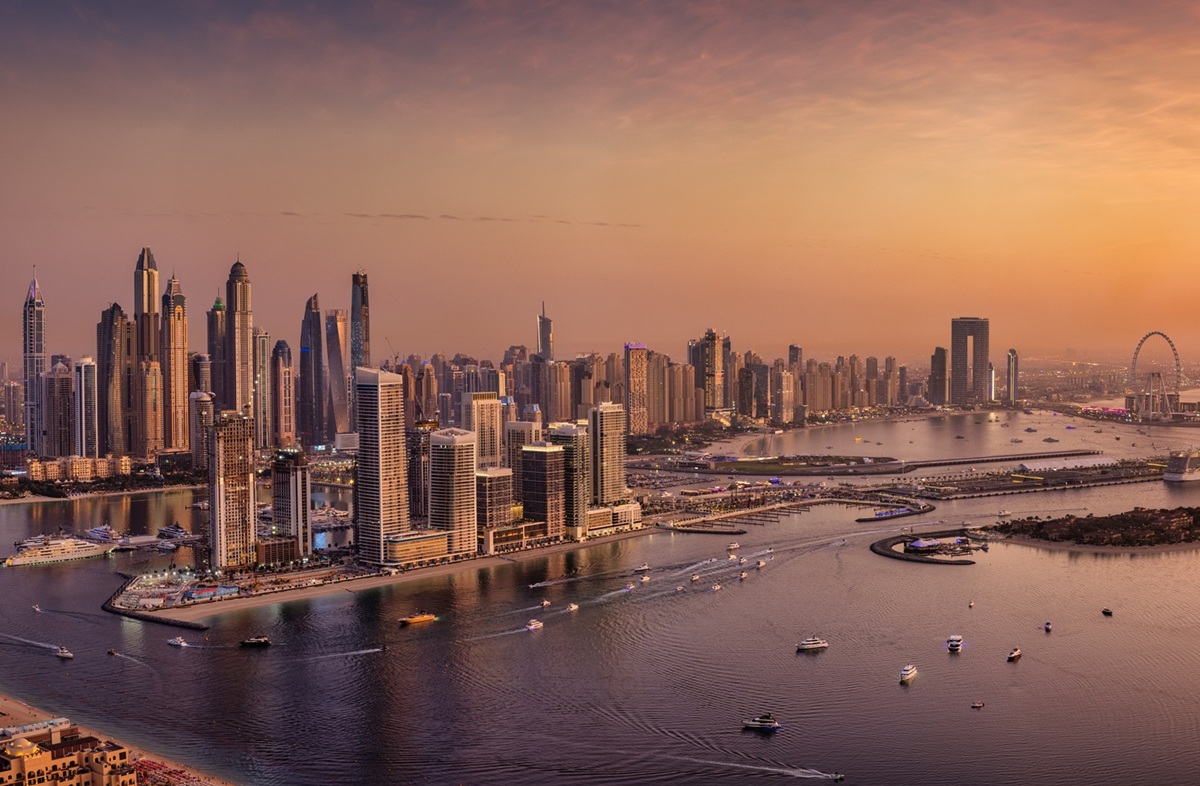
The steady increase in price per square foot is one of the clearest indicators of market health. With averages nearing AED 2,000 per sq. ft., Dubai is positioning itself among the world’s leading real estate markets.
This growth is not uniform across all areas. Prime locations such as waterfront communities and central districts are experiencing the highest price increases, driven by limited supply and high demand.
High-Growth Areas
Certain areas have emerged as hotspots for growth, including Jumeirah Village Circle, Dubai South, and newly developed communities. These areas offer a combination of affordability, accessibility, and future growth potential.
Investors are increasingly looking beyond traditional prime locations and exploring emerging neighborhoods. This trend is similar to spotting the next big tech startup before it becomes mainstream—early movers often reap the highest rewards.
Buyer Behavior and Market Psychology
Shift Toward Long-Term Investments
One of the most notable changes in the Dubai property market is the shift in buyer behavior. Investors are becoming more deliberate and strategic, focusing on long-term value rather than quick flips.
This change reflects a maturing market where buyers conduct thorough research, evaluate risks, and prioritize sustainability. It’s no longer about chasing trends—it’s about making informed decisions.
Cash vs Mortgage Buyers
Cash transactions continue to dominate, particularly in the secondary market, where they account for a significant portion of deals.
However, mortgage transactions are also increasing in value, indicating larger loan sizes and greater confidence among buyers. This dual trend highlights the market’s depth, accommodating both cash-rich investors and financed buyers.
Role of International Investors
Top Buyer Nationalities
International buyers remain a key driver of Dubai’s real estate market. Investors from countries such as India, the UK, Russia, and China are among the most active participants.
This diverse buyer base ensures stability and resilience, as demand is not dependent on a single region or economic condition.
Why Dubai Remains Attractive Globally
Dubai offers a unique combination of benefits, including zero income tax, high rental yields, and a luxurious lifestyle. Its strategic location also makes it a global hub for business and tourism.
For investors, Dubai is not just a market—it’s an opportunity to diversify portfolios and secure assets in a rapidly growing economy.
Rental Market Trends
Rental Transactions Growth
The rental market has also shown strong performance, with over 139,000 rental transactions recorded in Q1 2026.
This growth is driven by population expansion and an influx of expatriates, creating consistent demand for housing.
Impact of Population Growth
Dubai’s population growth plays a crucial role in sustaining the real estate market. As more people move to the city, demand for both rental and owned properties increases.
This creates a self-reinforcing cycle: more residents lead to higher demand, which drives prices and attracts more investors.
Challenges and Risks in the Market
Geopolitical Factors
Despite strong performance, the market is not without risks. Recent geopolitical tensions have led to temporary slowdowns in transaction activity and price adjustments in certain areas.
However, these challenges are often short-term and do not significantly impact long-term fundamentals.
Supply Surge Concerns
Another potential risk is the upcoming supply of new properties. With tens of thousands of units expected to enter the market, there is a possibility of price stabilization or slight corrections.
Balancing supply and demand will be crucial to maintaining market stability.
Expert Insights and Market Commentary
Industry Expert Opinions
Industry experts remain optimistic about Dubai’s real estate market. Many believe that the current growth is sustainable, supported by strong fundamentals and global demand.
The emphasis is shifting toward quality over quantity, with buyers focusing on well-located, high-quality properties.
Market Sentiment Analysis
Market sentiment remains positive, with investors showing confidence in Dubai’s long-term prospects. The shift toward more informed decision-making indicates a healthier and more stable market.
Future Outlook for Dubai Real Estate
Predictions for 2026
Looking ahead, the Dubai real estate market is expected to maintain steady growth, albeit at a more moderate pace. Price increases may slow down, but demand is likely to remain strong.
Long-Term Investment Potential
Dubai’s long-term outlook remains highly positive. With ongoing infrastructure development, economic diversification, and population growth, the city is well-positioned to remain a global real estate hotspot.
Conclusion
Dubai’s property market has entered a new phase—one defined by value, maturity, and global appeal. The surge to $37.8 billion in Q1 transactions is not just a headline figure; it’s a reflection of deeper structural changes. Rising prices, premium deals, and strong international demand are shaping a market that is both dynamic and resilient.
For investors, the message is clear: Dubai is no longer just a fast-growing market—it’s a strategic long-term investment destination.
FAQs
1. Why did Dubai property transactions reach $37.8 billion in Q1 2026?
The increase was driven by rising property prices, a surge in luxury deals, and strong demand from international investors.
2. Are property prices still increasing in Dubai?
Yes, prices have continued to rise, especially in premium segments, with average prices nearing AED 2,000 per sq. ft.
3. Is Dubai real estate a good investment in 2026?
Dubai remains a strong investment destination due to its tax benefits, high rental yields, and global demand.
4. What are the risks in the Dubai property market?
Key risks include geopolitical uncertainties and potential oversupply in the coming years.
5. Which properties are most in demand in Dubai?
Luxury villas, waterfront properties, and off-plan developments are currently the most sought-after.