Dubai’s real estate market is entering 2026 with unprecedented momentum, and nowhere is this surge more visible than in the villa segment. Industry experts increasingly describe villa owners as “sitting on a goldmine”, reflecting a convergence of soaring valuations, limited supply, and sustained global demand. As the emirate solidifies its position as a global wealth hub, luxury villas, gated communities, and waterfront homes have become strategic assets rather than lifestyle purchases.
Unlike previous market cycles driven by speculation, the current upswing is underpinned by end-user demand, long-term residency policies, population growth, and capital inflows from high-net-worth individuals. This structural shift has fundamentally redefined the villa market, elevating it into a high-performance investment class.
Structural Supply Constraints Driving Long-Term Price Appreciation
Limited New Villa Developments
One of the strongest forces pushing villa prices upward is restricted supply. Dubai’s master-planned communities were designed with finite land allocations for villas, and new launches are increasingly scarce. While apartment towers can be added vertically, villa communities require vast land parcels, making expansion both complex and costly.
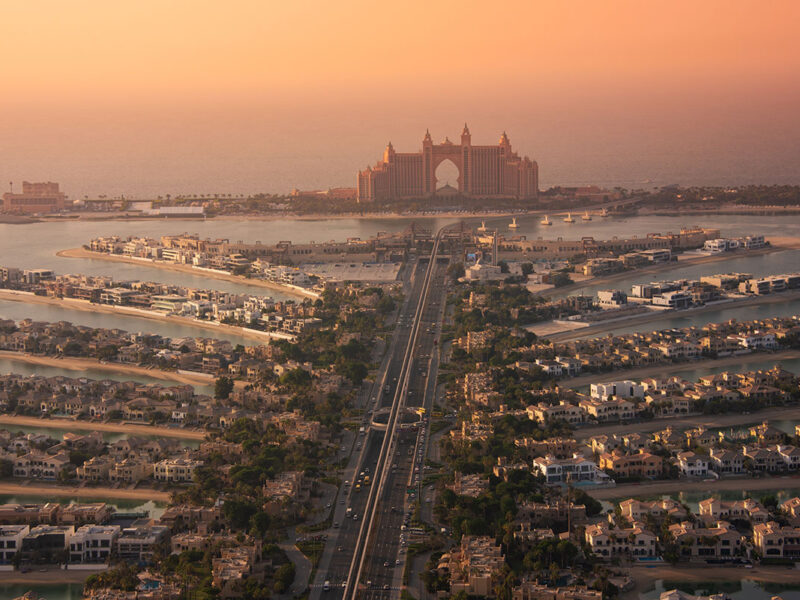
As Dubai approaches 2026, the imbalance between demand and available villa inventory continues to widen. This scarcity effect has directly translated into double-digit annual price growth across prime areas such as Emirates Hills, Palm Jumeirah, Dubai Hills Estate, Arabian Ranches, and Jumeirah Golf Estates.
Rising Construction and Land Costs
Escalating land prices, higher construction costs, and stricter sustainability standards have increased development expenses. Developers are pricing new villas at premium levels to maintain margins, thereby pushing secondary market values even higher. Existing villa owners benefit disproportionately, as replacement costs alone justify higher valuations.
Global Wealth Migration Fuels Villa Demand
Dubai as a Safe Haven for Capital
Dubai has emerged as one of the world’s most attractive destinations for global capital preservation. Investors from Europe, Asia, Africa, and the CIS region increasingly view Dubai villas as hard assets insulated from inflation, currency volatility, and geopolitical uncertainty.
The city’s tax-efficient framework, political stability, and investor-friendly regulations have reinforced confidence, making villas a preferred choice for wealth consolidation.
Golden Visa and Long-Term Residency Impact
The UAE’s long-term residency programs have played a pivotal role in reshaping buyer behavior. The Golden Visa has transformed property ownership from a short-term investment into a lifestyle-driven, multi-generational decision. Villa buyers are no longer flipping assets quickly; they are building roots, which further constrains resale supply.
Lifestyle Evolution Redefining Buyer Preferences
Post-Pandemic Shift Toward Space and Privacy
The global shift toward remote work permanently altered residential preferences. In Dubai, this translated into a sharp pivot toward spacious villas with private gardens, pools, and home offices. This trend has not reversed; instead, it has intensified as global executives and entrepreneurs relocate permanently.
Villas now represent functional living environments, blending luxury with productivity. Communities offering green spaces, wellness amenities, and proximity to international schools command significant pricing power.
Ultra-Luxury Segment Sets New Benchmarks
Dubai’s ultra-luxury villa segment continues to shatter records. Signature properties on Palm Jumeirah, District One, and waterfront enclaves routinely transact at values previously unseen in the region. These headline deals anchor market expectations, lifting valuations across adjacent communities.
Rental Yields Strengthen the Investment Case
Premium Rental Demand from High-Income Tenants
Dubai’s growing population of senior executives, entrepreneurs, and global professionals has fueled demand for high-end villa rentals. Annual rents have climbed steadily, delivering strong yields alongside capital appreciation.
Villa owners benefit from a rare combination: stable occupancy, long lease durations, and premium tenant profiles. This dynamic reduces risk and enhances income predictability, positioning villas as defensive assets in volatile global markets.
Corporate Leasing and Family Demand
Multinational firms relocating senior staff to Dubai increasingly opt for villas over apartments. Families prioritize security, space, and community infrastructure, ensuring sustained rental demand well into 2026 and beyond.
Infrastructure and Master Planning Add Long-Term Value
Integrated Communities as Value Multipliers
Dubai’s villa communities are not standalone developments; they are integrated ecosystems. Access to retail, healthcare, education, leisure, and transport infrastructure significantly boosts property desirability.
Large-scale master developments continue to benefit from ongoing enhancements, including road expansions, public transport integration, and lifestyle upgrades. These improvements compound long-term value, reinforcing the goldmine narrative for villa owners.
Sustainability and Smart Living
Sustainability has become a defining feature of new and upgraded villa communities. Energy-efficient designs, smart home systems, and eco-conscious landscaping appeal to modern buyers while reducing operating costs. Properties aligned with sustainability trends are increasingly commanding valuation premiums.
Market Outlook as Dubai Approaches 2026
Resilience Against Market Corrections
Unlike previous cycles, Dubai’s current villa market is not over-leveraged. Conservative lending practices, higher cash transactions, and stricter regulatory oversight have reduced systemic risk. This resilience suggests that even in the event of global slowdowns, villa prices are likely to stabilize rather than correct sharply.
Population Growth as a Demand Catalyst
Dubai’s population continues to expand at a rapid pace, driven by economic diversification, business-friendly reforms, and international talent attraction. Every new household entering the city adds pressure to an already constrained villa supply base.
As 2026 approaches, this demographic momentum will remain a core driver of sustained demand.
Why Villa Owners Hold a Strategic Advantage
Scarcity, Stability, and Status
Villa ownership in Dubai represents a convergence of scarcity, lifestyle prestige, and financial performance. Owners are positioned at the top of the residential hierarchy, benefiting from limited competition and strong buyer interest.
Unlike apartments, villas are less exposed to oversupply risks. This structural advantage ensures pricing power for owners across market cycles.
Intergenerational Wealth Preservation
High-net-worth families increasingly view Dubai villas as intergenerational assets. The combination of freehold ownership, legal clarity, and a stable governance framework supports long-term wealth planning strategies.
Conclusion: A Goldmine Built on Fundamentals
As Dubai’s property market enters 2026, villa owners find themselves in an exceptionally strong position. The convergence of limited supply, sustained global demand, lifestyle-driven buying behavior, and economic stability has created a market environment where villas are not merely homes but strategic assets.
Experts labeling villa owners as “sitting on a goldmine” are not exaggerating. The fundamentals supporting this segment are deep, durable, and aligned with Dubai’s long-term vision. For owners, the coming years represent not just appreciation, but the consolidation of real estate wealth at a global scale.