The UAE real estate market has entered a decisive new chapter, defined not merely by supply, demand, or pricing cycles, but by the deliberate creation of integrated lifestyle ecosystems. This evolution represents a structural transformation rather than a temporary trend. Across Dubai, Abu Dhabi, Sharjah, and emerging growth corridors, master-planned lifestyle communities are reshaping how residents live, work, invest, and build long-term wealth.
Unlike earlier phases driven primarily by iconic towers or speculative appreciation, today’s growth is anchored in holistic urban experiences—where residential, commercial, wellness, education, leisure, and sustainability elements are seamlessly connected. These ecosystems are now the primary catalyst for long-term real estate value creation, attracting global investors, end-users, entrepreneurs, and multinational talent.
What Defines a UAE Lifestyle Ecosystem in Real Estate
Integrated Living as a Core Value Driver
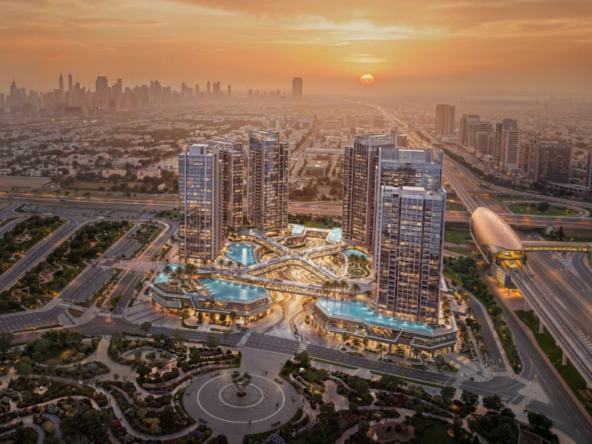
A lifestyle ecosystem in the UAE context is not a single development but a carefully orchestrated urban environment. These ecosystems blend:
-
Premium residential offerings
-
Retail and dining destinations
-
Healthcare and wellness infrastructure
-
Education and knowledge hubs
-
Green spaces, mobility solutions, and smart technologies
This integrated approach creates self-sustaining micro-cities that reduce dependency on external infrastructure while enhancing daily quality of life. From an investment standpoint, this translates into lower vacancy rates, higher rental yields, and stronger capital appreciation.
Experience-Centric Urban Design
Modern UAE buyers and tenants prioritize experience over square footage. Developments that deliver walkability, curated social spaces, waterfront access, cultural venues, and wellness-focused design command premium pricing. This shift has redefined demand patterns across both off-plan and ready property segments.
Dubai as the Global Benchmark for Lifestyle-Led Growth
Master-Planned Communities Powering Market Expansion
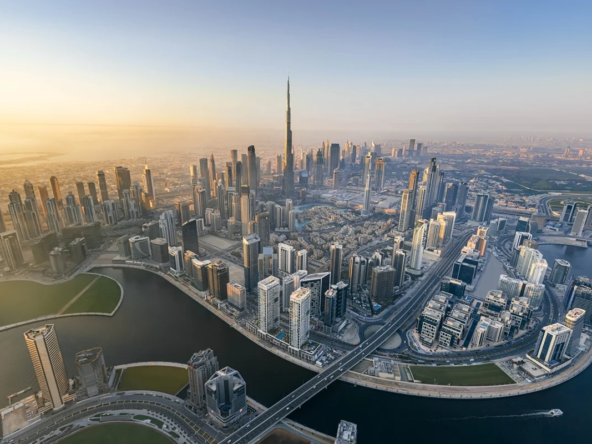
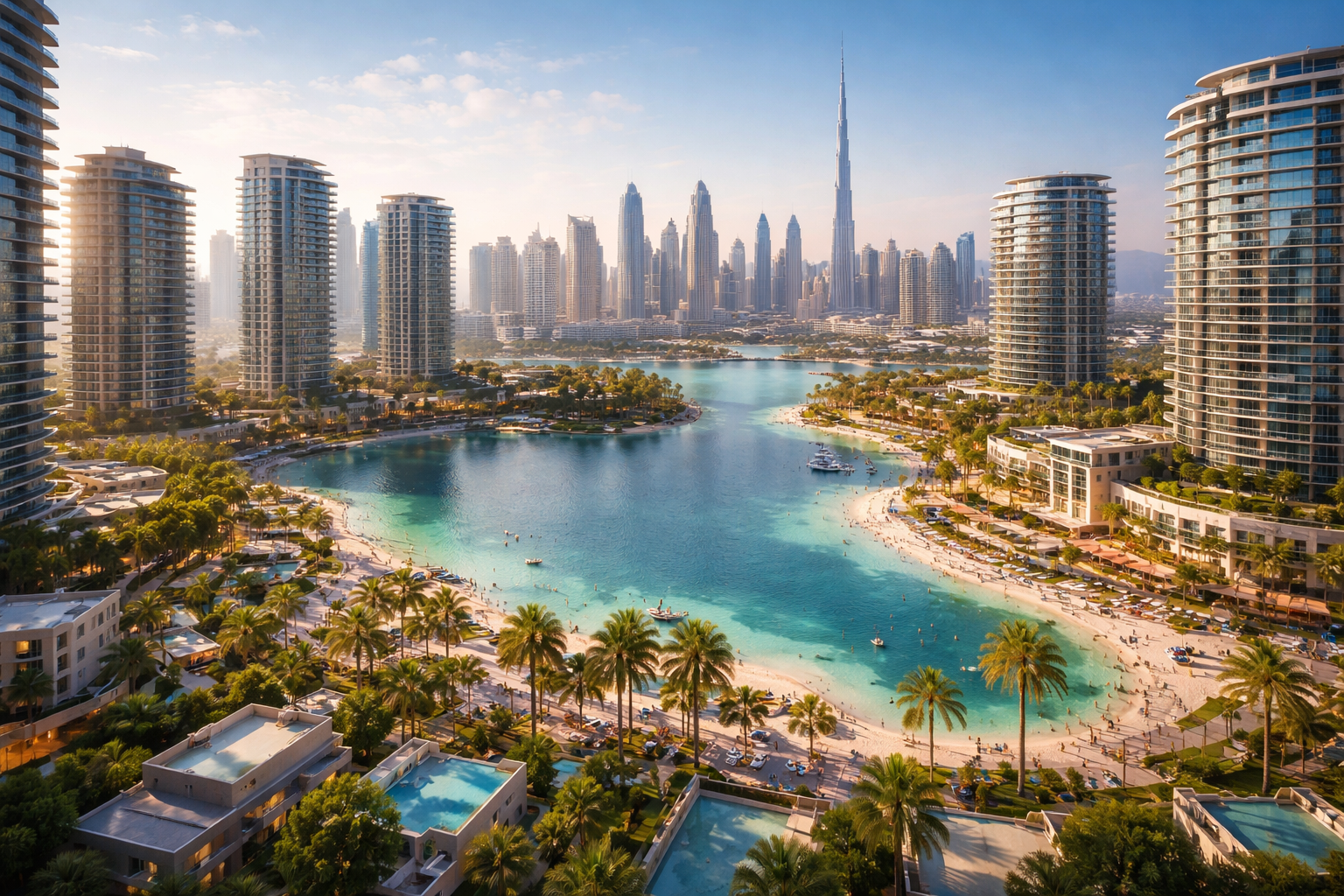
Dubai continues to lead the region by deploying large-scale lifestyle ecosystems such as Downtown districts, waterfront cities, innovation corridors, and mixed-use destinations. These areas are designed to support:
-
Live–work–play integration
-
Global business connectivity
-
Tourism-driven rental demand
-
High-net-worth lifestyle expectations
As a result, Dubai real estate benefits from diversified demand sources, including expatriate professionals, digital nomads, ultra-high-net-worth individuals, and institutional investors.
Lifestyle Branding and Global Appeal
Dubai’s success lies in its ability to brand real estate as a global lifestyle product rather than a local asset. Properties are marketed internationally as gateways to luxury living, tax efficiency, safety, and global mobility. This branding strategy fuels consistent capital inflows, insulating the market from regional volatility.
Abu Dhabi’s Ecosystem Strategy: Stability Meets Sophistication
Cultural, Educational, and Innovation Anchors
Abu Dhabi’s real estate growth is increasingly driven by culture-led and knowledge-based ecosystems. Developments anchored by museums, universities, clean energy hubs, and advanced healthcare facilities create deep-rooted residential demand.
These ecosystems appeal strongly to families, professionals, and long-term residents seeking stability, lower density, and institutional-grade infrastructure. For investors, this results in predictable returns and longer tenant retention cycles.
Government-Led Urban Vision
Strategic planning and policy alignment play a central role in Abu Dhabi’s ecosystem model. Zoning regulations, infrastructure investment, and economic diversification initiatives ensure that real estate growth is sustainable, demand-driven, and resilient.
The Role of Sustainability in Driving Real Estate Value
Green Infrastructure as a Market Differentiator
Sustainability is no longer an optional feature; it is a core valuation metric in UAE real estate. Lifestyle ecosystems increasingly incorporate:
-
Energy-efficient building systems
-
Water conservation technologies
-
Green mobility and pedestrian networks
-
Climate-responsive architecture
These elements reduce operating costs while enhancing asset desirability among environmentally conscious buyers and global investors.
Alignment with ESG Investment Criteria
International funds and institutional investors now prioritize ESG-compliant real estate assets. UAE lifestyle ecosystems that meet these standards attract larger pools of capital, reinforcing long-term price stability and liquidity.
Lifestyle Ecosystems and the New Buyer Profile
Rise of the End-User Investor
The modern UAE buyer often occupies a hybrid role—both end-user and investor. Lifestyle ecosystems cater to this profile by offering:
-
High-quality living environments
-
Strong short- and long-term rental demand
-
Exit liquidity through global resale interest
This dual-use appeal strengthens market depth and reduces speculative volatility.
Global Talent and Residency-Driven Demand
Long-term residency programs, golden visas, and entrepreneur pathways have accelerated demand for ecosystem-based communities. Buyers are not merely purchasing property; they are investing in a lifestyle, a jurisdiction, and a future base of operations.
Commercial Real Estate Integration Within Lifestyle Ecosystems
Workspaces Embedded in Living Environments
Modern ecosystems integrate Grade A offices, co-working hubs, and innovation centers directly into residential districts. This proximity enhances productivity while reducing commute times—an increasingly critical factor for global professionals and startups.
Retail, Hospitality, and Leisure Synergies
Retail and hospitality assets within lifestyle ecosystems benefit from built-in footfall and resident loyalty. This symbiotic relationship improves commercial yields while enhancing the overall residential experience.
Technology and Smart City Infrastructure as Growth Accelerators
Data-Driven Urban Management
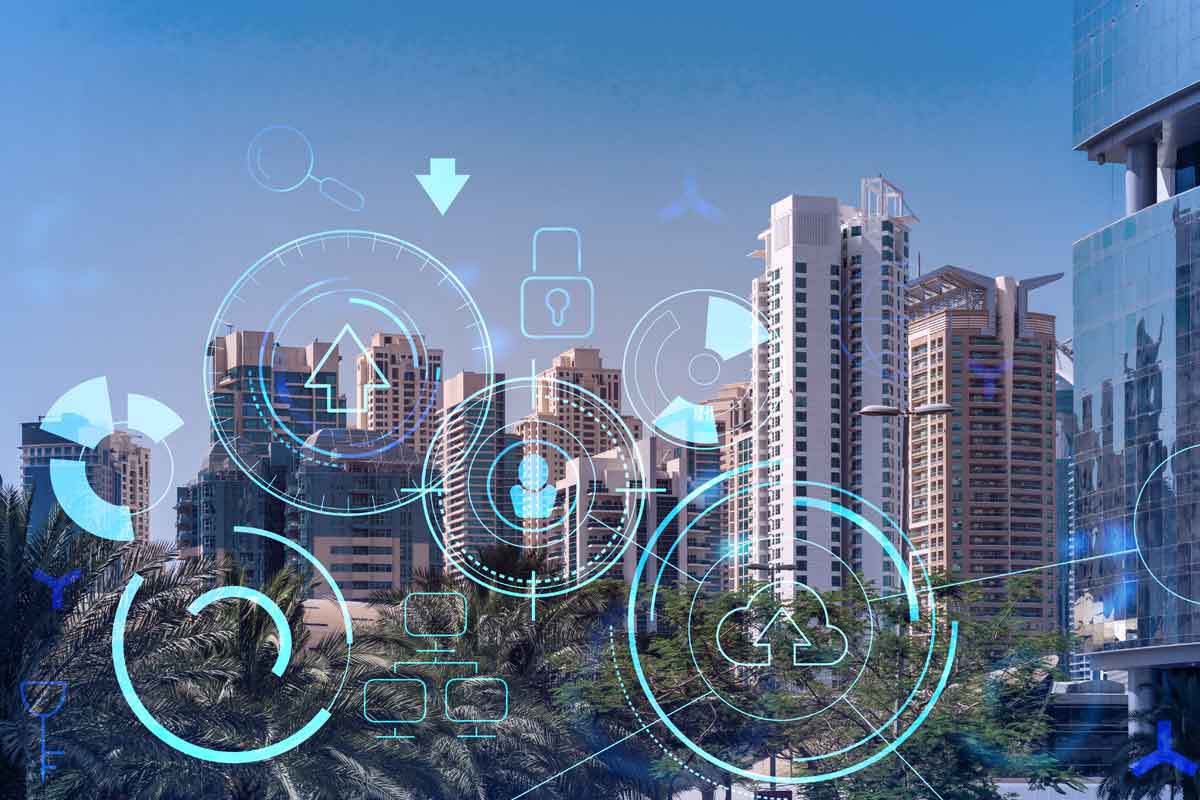
Smart technologies underpin the success of UAE lifestyle ecosystems. Features such as AI-driven traffic systems, smart utilities, and digital community platforms enhance efficiency, safety, and convenience.
PropTech and Investor Transparency
Advanced PropTech solutions provide investors with real-time insights, transaction transparency, and performance analytics, increasing confidence and accelerating decision-making.
Investment Outlook: Why Lifestyle Ecosystems Outperform
Resilience Across Market Cycles
Lifestyle-driven developments demonstrate lower downside risk during market corrections due to sustained end-user demand. Their diversified revenue streams—residential, retail, hospitality—provide built-in hedging.
Premium Pricing and Long-Term Appreciation
Properties within established ecosystems consistently outperform standalone developments in terms of price per square foot, rental growth, and resale velocity.
Conclusion: The Future of UAE Real Estate Is Ecosystem-Led
The UAE has decisively moved beyond fragmented development models into an era defined by integrated lifestyle ecosystems. This transformation is driving a new phase of real estate growth—one rooted in experience, sustainability, global connectivity, and long-term value creation.
For investors, developers, and end-users alike, the message is clear: the strongest opportunities lie within ecosystems that deliver complete, future-ready urban living. As the UAE continues to refine this model, its real estate market is positioned to remain one of the most competitive, resilient, and globally relevant in the world.