The UAE’s logistics real estate sector continues to demonstrate resilience, liquidity, and yield stability, with prime assets delivering returns in the range of 7.25–8.25 per cent. Supported by sustained trade expansion, e-commerce acceleration, infrastructure modernization, and policy-driven economic diversification, the Emirates has cemented its position as a regional logistics powerhouse connecting Asia, Europe, and Africa.
As global supply chains recalibrate and nearshoring gains traction, institutional and private investors are increasingly allocating capital into UAE logistics real estate. The asset class has evolved beyond traditional warehousing into a sophisticated ecosystem of Grade A distribution hubs, temperature-controlled facilities, last-mile centers, and integrated logistics parks, underpinned by long-term tenant demand.
Trade Surge Fuels Structural Demand for Industrial Assets
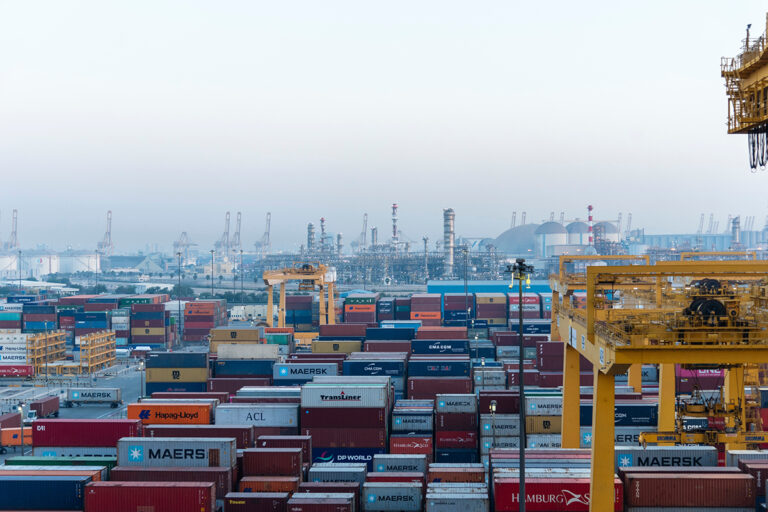
The UAE’s strategic location at the crossroads of international trade corridors continues to drive elevated cargo volumes across air, sea, and land networks. Major logistics gateways such as:
-
DP World
-
Jebel Ali Port
-
Abu Dhabi Ports
-
Dubai Airports
have reported consistent throughput growth, reinforcing the need for scalable and technologically advanced logistics real estate.
Free zones including Jebel Ali Free Zone (JAFZA) and Khalifa Industrial Zone Abu Dhabi (KIZAD) remain focal points for multinational manufacturers, third-party logistics providers (3PLs), and regional distributors seeking proximity to port and airport infrastructure.
This sustained trade expansion has translated into high occupancy levels across prime industrial submarkets, ensuring rental stability and yield consistency.
Prime Yields at 7.25–8.25% Reflect Strong Risk-Adjusted Returns
In comparison to global gateway cities where logistics yields have compressed significantly, the UAE offers a compelling spread. Net yields between 7.25% and 8.25% on prime assets reflect:
-
Stable rental income streams
-
Long-term lease tenures (5–10 years typical for institutional tenants)
-
Low vacancy in premium logistics parks
-
Strong covenant strength from multinational occupiers
This yield band positions UAE logistics real estate as a high-performing alternative asset class within diversified portfolios, particularly in a higher interest rate environment.
Institutional investors, sovereign-backed entities, and private equity funds are increasingly targeting stabilized income-generating warehouses, as well as forward-funding development projects in high-demand corridors such as Dubai South and Abu Dhabi’s industrial zones.
Dubai: Regional Logistics Epicenter
Integrated Infrastructure and Multimodal Connectivity
Dubai’s logistics ecosystem is anchored by integrated multimodal infrastructure, linking:
-
Sea freight via Jebel Ali Port
-
Air freight via Al Maktoum International Airport
-
Land connectivity to GCC markets
The proximity between port and airport assets within the Dubai South master development creates operational efficiencies that global logistics operators prioritize. As a result, Grade A warehousing within these corridors commands premium rents while maintaining high absorption rates.
E-Commerce Acceleration and Last-Mile Facilities
The UAE’s rapid digital adoption and expanding consumer base have intensified demand for last-mile distribution centers. Global and regional operators require:
-
Automated fulfillment centers
-
Cross-docking facilities
-
Cold-chain infrastructure
-
High-clearance modern warehouses
The surge in online retail has shifted leasing demand toward flexible and technologically enabled industrial spaces, further strengthening occupancy levels.
Abu Dhabi’s Industrial Expansion Strategy
Abu Dhabi has emerged as a competitive logistics real estate destination, driven by large-scale industrial investments and diversified trade partnerships.
Abu Dhabi Ports continues to expand cargo capacity, while Khalifa Industrial Zone Abu Dhabi provides investors with access to long-term land leases, purpose-built facilities, and integrated infrastructure solutions.
The emirate’s focus on manufacturing, petrochemicals, and food processing has increased demand for specialized industrial facilities, including temperature-controlled storage and heavy-duty logistics yards. These niche segments often command yield premiums due to technical complexity and high tenant stickiness.
Occupier Profile: Diversified and Resilient
Tenant demand in UAE logistics real estate spans multiple sectors:
-
Third-party logistics providers (3PLs)
-
FMCG distributors
-
Pharmaceutical supply chains
-
Automotive parts importers
-
E-commerce giants
-
Regional trading conglomerates
This diversification mitigates sector-specific risk and supports consistent rental collections. Furthermore, tenants increasingly seek long-term commitments in modern facilities to optimize operational efficiencies, which enhances asset valuation stability.
Supply Pipeline and Development Trends
While new supply is entering the market, developers are prioritizing Grade A specifications, including:
-
10–12 meter clear heights
-
ESFR sprinkler systems
-
Energy-efficient building designs
-
Solar panel integration
-
Smart warehouse management systems
Developments within Dubai South, JAFZA extensions, and KIZAD expansions are aligned with rising occupier requirements. However, land constraints in prime logistics corridors help prevent oversupply, sustaining balanced market fundamentals.
Forward-funding models and build-to-suit agreements have gained popularity, allowing investors to secure pre-leased assets prior to completion, thus reducing lease-up risk.
Foreign Direct Investment and Policy Support
The UAE government’s progressive reforms have significantly strengthened investor confidence. Key enablers include:
-
100% foreign ownership in various sectors
-
Long-term residency visas for investors
-
Streamlined business licensing processes
-
Robust legal frameworks for property ownership
Such policy initiatives enhance the attractiveness of logistics real estate for cross-border capital flows. Institutional investors from Europe and Asia increasingly view the UAE as a stable regional base with strong governance standards.
Capital Values and Rental Growth Outlook
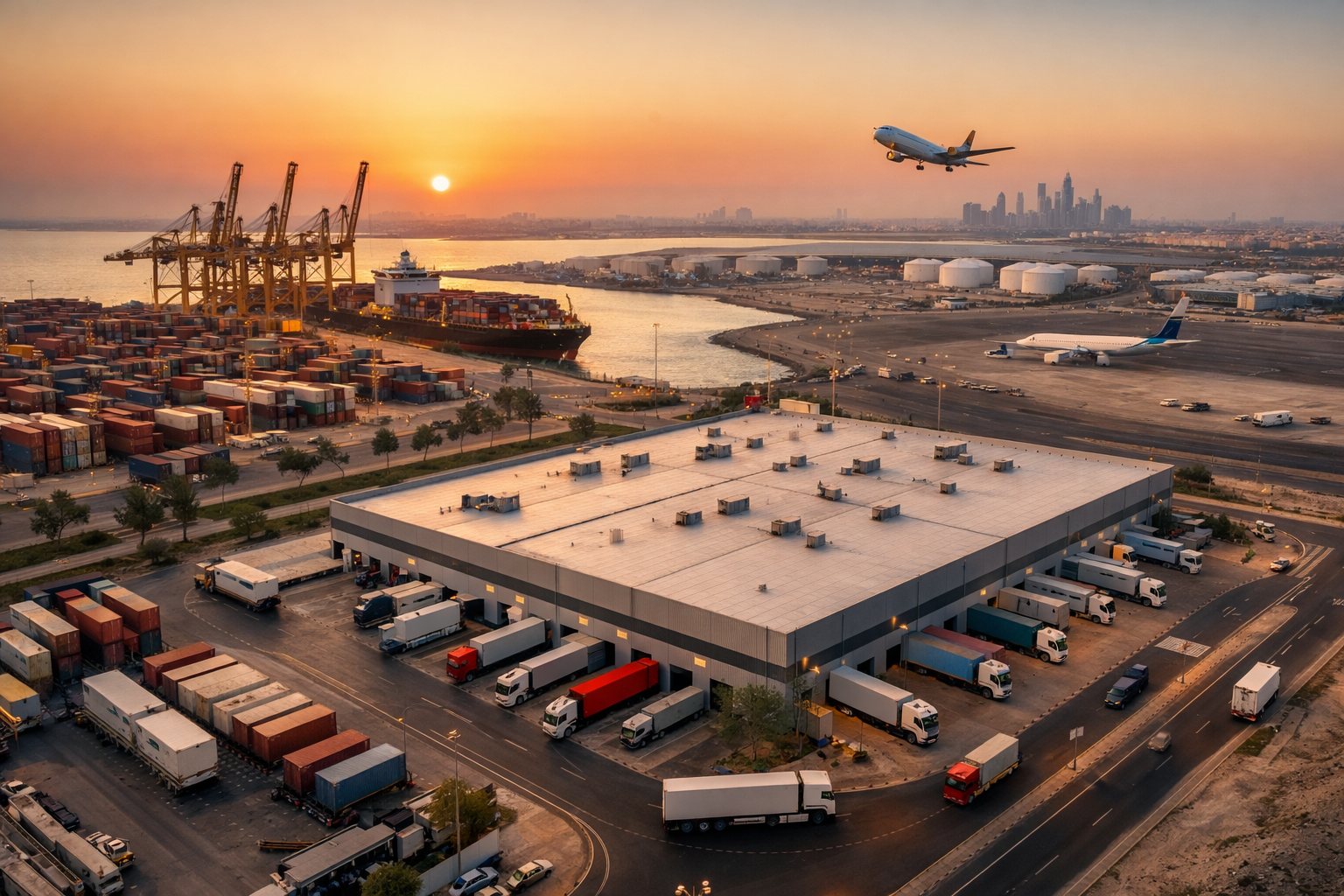
Capital values in prime logistics zones have experienced moderate appreciation, supported by stable rental growth and compressed vacancy rates. Unlike speculative residential cycles, logistics real estate fundamentals are tied directly to trade volumes and consumption patterns.
Rental growth has been particularly notable in:
-
Free zone Grade A warehouses
-
Temperature-controlled facilities
-
Last-mile logistics hubs
With limited land availability in established logistics clusters, landlords retain pricing power in renewal negotiations, contributing to yield sustainability within the 7.25–8.25% band.
ESG Integration in Logistics Real Estate
Environmental, Social, and Governance (ESG) compliance has become a strategic priority. Tenants increasingly require:
-
LEED-certified warehouses
-
Reduced carbon footprints
-
Renewable energy integration
-
Water-efficient systems
Developers incorporating sustainability features benefit from higher tenant retention rates and stronger long-term asset valuation. ESG-compliant logistics parks are attracting institutional capital mandates aligned with global sustainability targets.
Strategic Positioning as a Global Trade Gateway
The UAE’s strategic vision to become a leading global trade hub underpins long-term demand for logistics infrastructure. Continued investment in ports, airports, and industrial zones enhances throughput capacity and supply chain efficiency.
The synergy between maritime and aviation logistics, particularly around Jebel Ali Port and Al Maktoum International Airport, strengthens Dubai’s role in re-export trade and regional distribution.
Meanwhile, Abu Dhabi’s industrial policy reinforces manufacturing-linked warehousing demand, creating complementary growth dynamics across emirates.
Investment Strategy: Income Stability with Growth Potential
For investors seeking predictable cash flow with capital appreciation potential, UAE logistics real estate offers:
-
Attractive yield spreads relative to global markets
-
High occupancy rates
-
Institutional-grade tenant profiles
-
Government-backed infrastructure expansion
-
Structural e-commerce growth
Core and core-plus strategies remain dominant, though opportunistic investors are targeting land acquisitions within emerging logistics corridors for future development gains.
Conclusion: Yield Stability Anchored by Trade Momentum
UAE logistics real estate yields remaining steady at 7.25–8.25 per cent underscore the sector’s strength amid a sustained trade surge. Supported by strategic infrastructure, diversified occupier demand, progressive regulatory frameworks, and ESG integration, the asset class continues to deliver resilient performance.
As global trade patterns evolve and regional consumption expands, the UAE’s logistics real estate market is positioned to maintain stable returns, attract institutional capital, and reinforce its status as a premier industrial investment destination.