Dubai’s super-prime property market is entering a decisive growth cycle, underpinned by a sustained UK wealth exodus and the emirate’s strategic positioning as a global capital safe haven. Transactions exceeding AED400 million are no longer exceptional outliers but a structural component of Dubai’s high-end real estate ecosystem. As capital migrates from London and other UK financial hubs, Dubai’s ultra-luxury segment is poised to maintain transaction velocity and pricing resilience well into 2026.
Capital Flight from the UK: A Structural Wealth Reallocation
The ongoing shift of high-net-worth individuals (HNWIs) and ultra-high-net-worth individuals (UHNWIs) from the UK is reshaping global property flows. London, historically the epicenter of global luxury real estate, is witnessing a recalibration of capital allocation. Dubai has emerged as a prime beneficiary of this wealth reallocation.
Key drivers sustaining the UK wealth exodus include:
-
Fiscal restructuring and tax policy recalibration.
-
Evolving non-domiciled resident frameworks.
-
Increased scrutiny of global asset transparency.
-
Lifestyle migration trends accelerated post-pandemic.
Dubai’s zero income tax regime, capital gains advantages, and stable regulatory architecture create an environment that supports long-term asset preservation. For British investors seeking geographic diversification and political stability, Dubai offers not only yield but capital security.
Dubai’s AED400mn Super-Prime Sales: A Maturing Asset Class
The AED400mn price bracket signals a maturing market rather than speculative exuberance. These transactions are concentrated within exclusive enclaves such as:
-
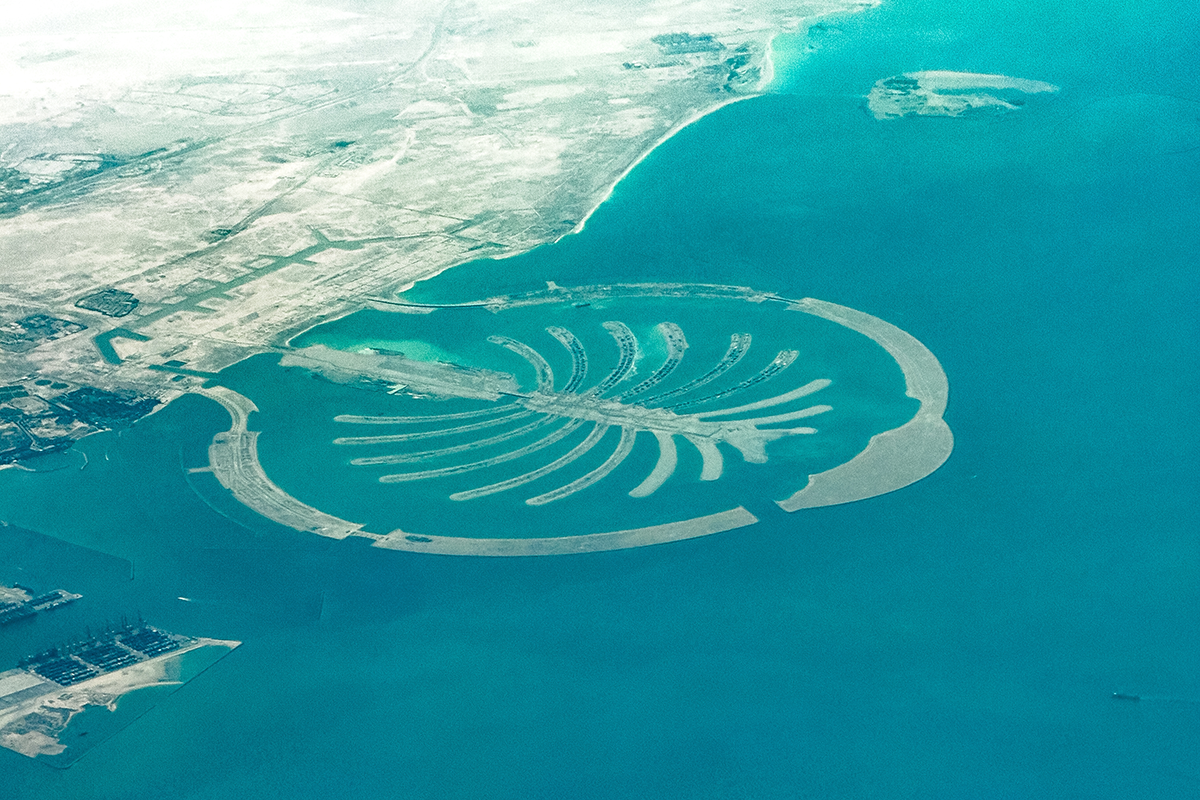
Palm Jumeirah
-
Emirates Hills
-
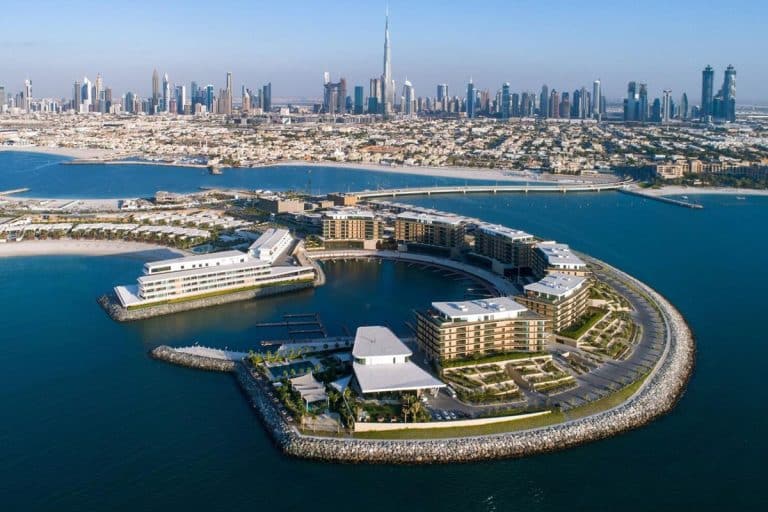
Jumeirah Bay Island
Each of these micro-markets offers scarcity-driven pricing supported by waterfront positioning, bespoke architecture, and global brand alignment.
Palm Jumeirah: Waterfront Trophy Assets
Ultra-luxury villas on Palm Jumeirah are commanding record-breaking valuations due to:
-
Direct beachfront access.
-
Private marina facilities.
-
Architectural customization exceeding 30,000 sq. ft.
-
Institutional-grade security and gated community management.
British capital inflows into Palm Jumeirah have strengthened liquidity at the ultra-prime tier, ensuring transactional continuity even at the AED400mn threshold.
Emirates Hills: The “Beverly Hills” of Dubai
Emirates Hills remains synonymous with legacy wealth. The golf-course-facing mansions offer plot sizes that are virtually unattainable in comparable global cities. UK-based financiers and entrepreneurs are securing multi-generational residences here, positioning the asset not merely as property but as long-term capital storage.
Jumeirah Bay Island: Ultra-Exclusive Coastal Enclave
Limited supply on Jumeirah Bay Island sustains its super-prime positioning. Properties exceeding AED400mn here reflect architectural prestige and proximity to the Bulgari Resort infrastructure, elevating brand value and lifestyle alignment.
Macroeconomic Stability Reinforces Dubai’s Appeal
Dubai’s macroeconomic fundamentals strengthen investor confidence:
-
Robust GDP expansion across non-oil sectors.
-
Strong tourism and aviation recovery.
-
Institutional-grade real estate regulatory oversight.
-
Stable currency pegged to the US dollar.
The Dubai Land Department (DLD) has streamlined transaction processes, enhancing transparency and investor protection. For UK investors accustomed to bureaucratic friction, Dubai offers efficiency and clarity.
Currency Dynamics Favor British Investors
Sterling volatility has prompted UK-based investors to hedge currency risk through dollar-linked assets. Dubai’s dirham peg to the US dollar provides:
-
Exchange rate predictability.
-
Portfolio diversification.
-
Reduced currency exposure volatility.
This currency alignment is particularly attractive for wealth preservation strategies, reinforcing the migration of capital into Dubai’s super-prime market.
Lifestyle Arbitrage and Residency Incentives
Dubai’s Golden Visa framework supports long-term residency for property investors. High-value property acquisitions secure extended residency tenure, enabling seamless relocation.
Key lifestyle advantages include:
-
World-class healthcare infrastructure.
-
International schooling ecosystems.
-
Global connectivity via Dubai International Airport.
-
Low-crime, high-security urban environment.
For UK families reassessing residency strategies, Dubai represents both a financial and lifestyle arbitrage opportunity.
Transaction Velocity and Price Resilience into 2026
Data trends indicate that super-prime transaction volumes remain structurally supported rather than cyclical. While broader global markets face pricing compression, Dubai’s high-end segment continues to display:
-
Limited inventory turnover.
-
Sustained international buyer interest.
-
Rising average deal sizes.
-
Premium off-market transaction pipelines.
AED400mn property sales are projected to maintain momentum into 2026 due to constrained supply and expanding HNWI inflows from Europe.
Comparative Advantage Over London Prime Real Estate
London’s prime neighborhoods such as Mayfair, Knightsbridge, and Belgravia historically dominated ultra-luxury investment flows. However, Dubai now offers:
-
Larger property footprints.
-
Higher rental yields.
-
Lower transaction taxes.
-
Faster capital appreciation cycles.
The price-per-square-foot differential between London and Dubai further amplifies value perception among UK investors. In Dubai, investors acquire waterfront mansions at pricing levels that would equate to comparatively modest assets in central London.
Institutionalization of Dubai’s Luxury Market
The super-prime segment is evolving beyond individual buyers. Family offices, private equity-backed investors, and sovereign-linked entities are increasingly active.
Institutional confidence is reflected in:
-
Structured development pipelines.
-
Branded residence expansion.
-
Professional asset management frameworks.
-
Enhanced due diligence processes.
This institutionalization reduces speculative volatility and supports pricing stability at the AED400mn level.
Ultra-Luxury Design and Architectural Benchmarking
Dubai’s super-prime residences incorporate cutting-edge design specifications:
-
Smart home automation ecosystems.
-
Private cinemas and wellness spas.
-
Subterranean car galleries.
-
Climate-controlled wine vaults.
-
Infinity-edge rooftop pools.
Architectural collaboration with global design firms elevates these residences into bespoke lifestyle assets rather than commoditized real estate.
Global HNWI Migration Trends and Dubai’s Strategic Position
The global migration of wealth is not limited to the UK. However, British investors represent a significant share of inbound capital into Dubai’s ultra-prime sector. This trend is aligned with broader mobility patterns observed among European wealth holders.
Dubai’s geographic positioning between Europe and Asia further enhances its relevance as a capital nexus.
Supply Constraints Support Long-Term Value
Super-prime inventory in Dubai remains finite. Waterfront plots and golf-course-fronting estates are structurally limited. Development pipelines cannot rapidly expand due to:
-
Geographic constraints.
-
Zoning regulations.
-
Brand alignment criteria.
Scarcity economics support sustained price floors and prevent oversupply-driven corrections.
Strategic Outlook: Sustained Momentum Through 2026
The convergence of UK wealth migration, macroeconomic stability, currency alignment, and supply scarcity creates a resilient growth framework for Dubai’s AED400mn super-prime market.
Projected outcomes include:
-
Continued upward pricing adjustments.
-
Increased cross-border capital flows.
-
Greater institutional participation.
-
Enhanced brand integration within luxury developments.
Dubai’s super-prime real estate sector is transitioning from opportunistic growth to structural global relevance. The sustained inflow of UK wealth provides a durable foundation for transaction continuity, ensuring that AED400mn sales remain a consistent feature of the market landscape into 2026.
Dubai’s ultra-luxury property ecosystem now stands as a benchmark within the global real estate hierarchy—offering scale, security, liquidity, and long-term capital preservation unmatched in competing jurisdictions.