What Does a 38% Increase Really Mean?
When headlines say that Dubai property enquiries have jumped by 38%, it might sound like the market is booming at full throttle again. But here’s the twist—this surge doesn’t necessarily translate into immediate sales. Instead, it signals something far more nuanced: rising curiosity combined with cautious intent. In real estate analytics, enquiry volume is often treated as a leading indicator, meaning it reflects future buying potential rather than current deal closures.
Recent market insights show that online search activity and buyer engagement have strengthened significantly, reinforcing underlying demand even as transaction volumes fluctuate. This tells us that buyers haven’t disappeared—they’ve simply evolved. They are researching more, comparing options, and taking longer before committing capital. It’s like browsing extensively before making a big purchase rather than impulsively buying on the spot.
Think of it this way: during the boom years of 2024–2025, buyers were sprinting. In 2026, they’re walking—but still heading in the same direction. The demand pipeline is intact, but the pace has changed. This shift suggests that the market is not weakening fundamentally—it’s transitioning into a more mature, information-driven phase.
Why Enquiries Matter More Than Transactions
If you’re evaluating the health of a property market, focusing only on transactions is like judging a movie by its box office on opening night. Enquiries, on the other hand, reveal intent, sentiment, and future momentum. A spike in enquiries—especially during a period of softer activity—indicates that buyers are still engaged and actively exploring opportunities.
In Dubai’s case, this surge aligns with broader behavioral changes. Buyers are no longer rushing into deals driven by fear of missing out (FOMO). Instead, they are conducting due diligence, analyzing market trends, and assessing risk exposure. This is a hallmark of a maturing real estate ecosystem, where participants are more informed and less speculative.
So, while transaction volumes may dip temporarily, the rise in enquiries suggests that latent demand is building beneath the surface. Once confidence stabilizes or pricing becomes more attractive, this pool of interested buyers could quickly convert into actual sales, potentially triggering the next wave of activity.
The Shift Toward a Measured Buying Approach
From FOMO to Strategic Decision-Making
Not long ago, Dubai’s property market operated at breakneck speed. Properties were selling out within days, sometimes even hours. Investors jumped in quickly, driven by rapid price appreciation and strong rental yields. But in 2026, the narrative has shifted dramatically.
Today’s buyers are no longer asking, “How fast can I buy?” Instead, they’re asking, “Is this the right investment for the next 5–10 years?” This transformation reflects a deeper structural change in the market. According to recent reports, buyers are now prioritizing value, developer credibility, and long-term returns over speculative gains.
This doesn’t mean demand has weakened—it means it has become more disciplined. Buyers are evaluating location fundamentals, infrastructure development, and rental potential before making decisions. In many ways, this is a healthier dynamic, reducing the risk of market bubbles and unsustainable price spikes.
Buyer Psychology in 2026
So what’s driving this cautious mindset? A mix of global uncertainty, rising supply, and shifting expectations. Buyers are more aware of risks, and they’re factoring them into their decisions. Instead of chasing hype, they are focusing on data-backed investments.
Interestingly, this psychological shift is also reflected in viewing activity. Even during periods of geopolitical tension, property viewings have increased significantly, showing that interest remains strong despite caution. Buyers are still in the market—they’re just taking their time.
This approach resembles a seasoned investor analyzing stocks during a volatile market. They don’t exit—they simply become more selective. And that’s exactly what’s happening in Dubai’s real estate sector today.
Market Activity Slows Down — But Why?
Decline in Transaction Volumes
While enquiries are rising, transaction volumes tell a slightly different story. Recent data indicates a sharp drop in transaction activity, with some reports showing declines of up to 37% year-on-year and 49% month-on-month in early March 2026.
At first glance, this might seem alarming. But context is everything. After several years of record-breaking growth, a slowdown was almost inevitable. Markets rarely move in a straight line—they expand, stabilize, and sometimes correct.
This phase can be described as a cooling period rather than a downturn. Buyers are still active, but they are negotiating harder, comparing more options, and waiting for the right entry point. Sellers, meanwhile, are adjusting expectations, leading to a more balanced market dynamic.
External Factors Impacting Demand
Several external factors are contributing to this slowdown. Geopolitical tensions in the region have slightly dented Dubai’s image as a “safe haven,” prompting some investors to adopt a wait-and-see approach.
Additionally, global economic conditions—such as interest rate fluctuations and inflation—are influencing investment decisions. When borrowing costs rise, buyers naturally become more cautious. At the same time, an influx of new supply is increasing competition, giving buyers more choices and bargaining power.
Yet, despite these challenges, the market hasn’t stalled. Transactions are still happening, luxury properties are still being sold, and investor interest remains intact. This resilience highlights the underlying strength of Dubai’s real estate fundamentals.
Key Drivers Behind Continued Buyer Interest
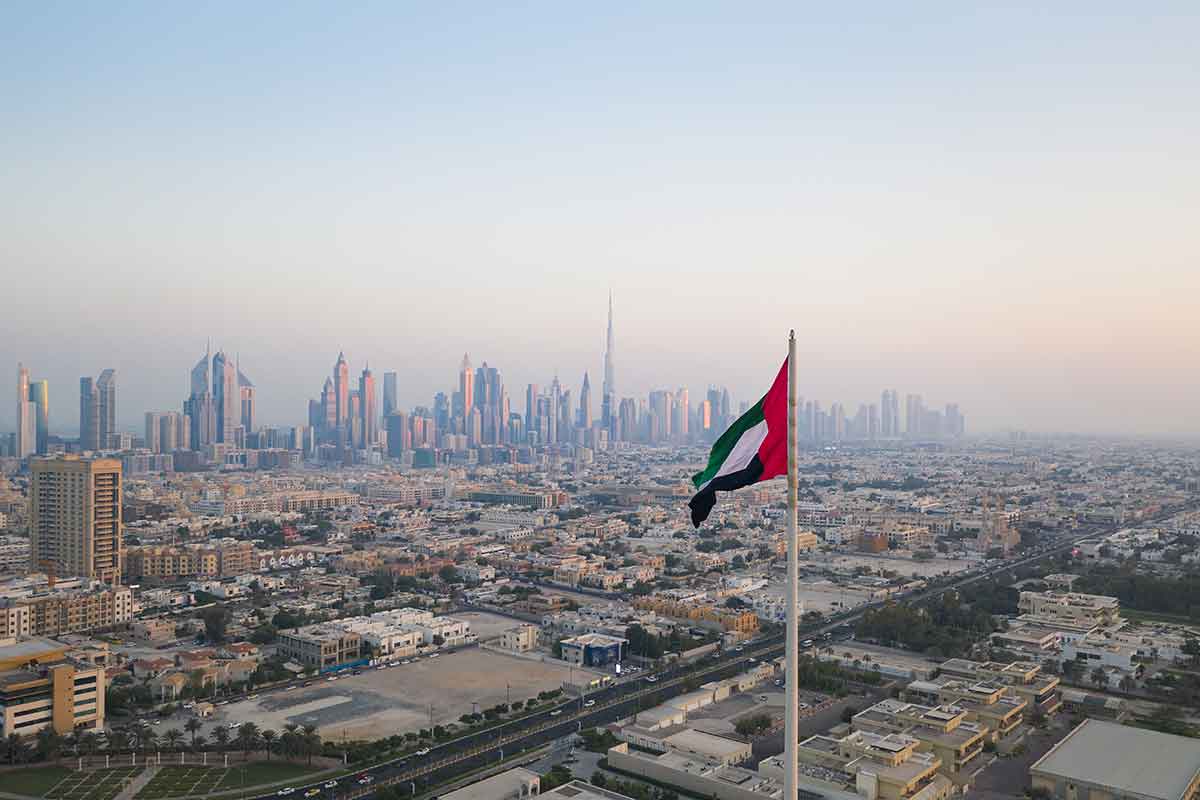
Dubai’s Global Investment Appeal
Dubai continues to attract international investors for a simple reason: it offers a unique combination of tax efficiency, lifestyle benefits, and high returns. Even in uncertain times, the city remains a magnet for global capital.
Population growth, infrastructure development, and government initiatives continue to support demand. Analysts point out that these structural drivers are not short-term trends—they are long-term growth engines.
Strong Rental Yields and ROI
One of the biggest attractions of Dubai real estate is its high rental yield, often outperforming global cities like London and New York. For investors, this provides a steady income stream, making property investment less dependent on price appreciation alone.
As a result, even cautious buyers are staying engaged. They may delay purchases, but they are not exiting the market. Instead, they are waiting for opportunities that align with their financial goals.
Supply Dynamics and New Developments
Increasing Inventory in 2026
Dubai’s property pipeline is expanding rapidly, with thousands of new units expected to enter the market. This increase in supply is one of the key reasons behind the shift in buyer behavior.
More inventory means more choices—and more competition among developers. Buyers can now compare projects, negotiate prices, and demand better payment plans.
Impact on Pricing Trends
With supply rising, pricing dynamics are becoming more complex. While prime locations continue to hold value, other segments may experience stabilization or slight corrections.
This doesn’t indicate a market crash. Instead, it reflects a transition toward equilibrium, where prices align more closely with fundamentals rather than speculation.
Price Trends: Stabilisation or Correction?
Discounts and Negotiation Trends
In some areas, properties are being offered at discounts of 12–15%, particularly where sellers are motivated to close deals بسرعة. This creates opportunities for savvy investors who are willing to negotiate.
Segment-Based Price Variations
Not all properties are affected equally. Luxury segments, for example, continue to show resilience, with high-value transactions still taking place. Meanwhile, mid-range and off-plan segments may experience more variability.
Off-Plan vs Ready Properties
Growing Preference for Completed Units
A noticeable trend in 2026 is the shift toward ready properties. Buyers prefer assets they can evaluate immediately, reducing uncertainty.
Developer Incentives Driving Sales
To maintain momentum, developers are offering flexible payment plans, fee waivers, and other incentives. These strategies are helping to bridge the gap between buyer expectations and market realities.
Investor Behavior in a Changing Market
Long-Term vs Short-Term Investors
Short-term investors are becoming less dominant, while long-term buyers are gaining prominence. This shift supports market stability and reduces volatility.
Rise of Data-Driven Investment Decisions
Investors are increasingly relying on data—rental yields, occupancy rates, and market trends—before making decisions. This analytical approach is reshaping the market landscape.
Future Outlook for Dubai Real Estate
Short-Term Market Expectations
In the short term, the market is likely to remain stable with moderate fluctuations. Transaction volumes may stay subdued, but enquiry levels suggest potential recovery.
Long-Term Growth Fundamentals
Looking ahead, Dubai’s fundamentals remain strong. Population growth, infrastructure investment, and global demand will continue to drive the market.
Conclusion
Dubai’s property market in 2026 is not slowing down—it’s evolving. The 38% surge in enquiries highlights sustained interest, even as buyers adopt a more cautious and calculated approach. This shift marks the transition from a high-speed growth phase to a more balanced and mature market environment.
For investors, this is not a warning sign—it’s an opportunity. A measured market allows for better decision-making, more negotiation power, and ultimately, smarter investments. The days of impulsive buying may be fading, but the foundation of Dubai’s real estate sector remains as strong as ever.