If you think about any thriving economy, small and medium-sized enterprises (SMEs) are always at the core. They are like the bloodstream of economic activity—constantly moving, adapting, and fueling innovation. In Dubai, SMEs are not just a supporting sector; they are a strategic priority. The government recognizes that empowering entrepreneurs leads to job creation, diversified income streams, and resilience against global economic shocks.
Dubai’s leadership has consistently emphasized entrepreneurship as a cornerstone of its future. Rather than relying solely on large corporations or oil-driven revenues, the city is investing heavily in building a dynamic SME ecosystem. This approach ensures long-term sustainability while making Dubai a magnet for ambitious entrepreneurs worldwide.
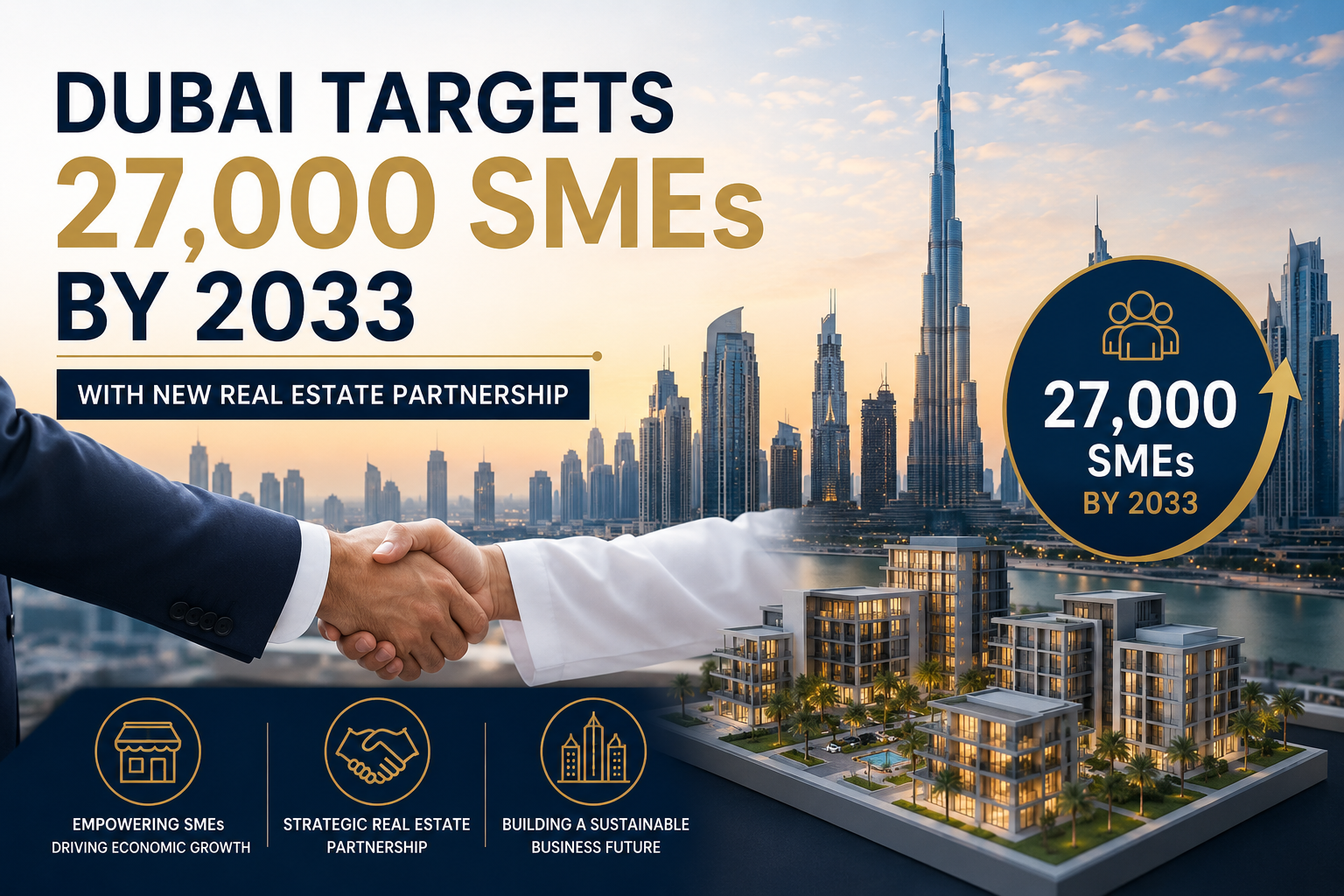
What makes this vision even more compelling is the structured approach behind it. Policies, funding mechanisms, and partnerships are all aligned toward a single goal: turning Dubai into one of the most competitive SME hubs globally. And now, with a bold target of supporting 27,000 SMEs by 2033, the city is doubling down on that ambition.
Overview of the 2033 Target
The target itself isn’t just a random number—it’s part of a broader, data-driven strategy. Dubai SME aims to support the creation of 8,000 new Emirati businesses, increasing the total from around 19,000 in 2024 to 27,000 by 2033.
This growth trajectory signals something important: Dubai isn’t just encouraging entrepreneurship—it’s engineering it. Through structured programs, advanced technologies, and strategic partnerships, the government is actively shaping the business landscape.
Think of it like building a city within a city—except instead of skyscrapers, the focus is on startups, innovators, and scalable enterprises. The goal is clear: create an ecosystem where SMEs don’t just survive—they thrive, expand, and compete globally.
The New Real Estate Partnership Explained
Collaboration Between Dubai SME and Dubai Land Department
At the heart of this initiative lies a powerful collaboration between Dubai SME and the Dubai Land Department (DLD). This partnership isn’t just symbolic—it’s highly tactical. It directly connects SMEs with one of the most lucrative and fast-growing sectors in Dubai: real estate.
By signing a Memorandum of Understanding (MoU), both entities are creating a structured pathway for SMEs to participate in real estate activities. This includes everything from property management and contracting to design and consultancy services.
This move effectively removes one of the biggest barriers SMEs face: access. Instead of struggling to break into a competitive industry, SMEs are now being invited in through official channels.
Key Objectives of the MoU
The agreement is designed with precision. Its core objectives include:
- Enhancing SME participation in real estate activities
- Creating direct links between entrepreneurs and developers
- Encouraging innovation within the property sector
- Strengthening economic diversification
But here’s the real game-changer: this partnership doesn’t just open doors—it builds bridges. SMEs are no longer outsiders trying to enter the real estate sector; they are becoming integrated players within the ecosystem.
Dubai’s Real Estate Boom and Its Role
Latest Market Performance and Statistics
Dubai’s real estate sector is not just growing—it’s exploding. In the first quarter of 2026 alone, property transactions reached a staggering AED 252 billion ($68.6 billion).
That’s not just impressive—it’s transformative. Such high transaction volumes create a ripple effect across multiple industries, from construction and design to legal services and property management.
For SMEs, this means opportunity—massive opportunity. Every transaction represents a chain of services, and SMEs can plug into various points within that chain.
Why Real Estate is Central to SME Growth
Real estate in Dubai isn’t just about buying and selling properties. It’s an ecosystem—a complex network of services, technologies, and stakeholders. And this is exactly why it’s so valuable for SMEs.
Imagine a single property development project. It involves architects, contractors, interior designers, marketing agencies, legal advisors, and facility managers. That’s dozens of potential entry points for SMEs.
By integrating SMEs into this ecosystem, Dubai is effectively multiplying their growth opportunities. It’s like placing them in the middle of a high-speed economic highway—where growth isn’t just possible, it’s inevitable.
Strategic Alignment with Dubai Economic Agenda D33
Vision to Double the Economy
This entire initiative aligns perfectly with Dubai’s ambitious Economic Agenda D33, which aims to double the size of the economy by 2033.
That’s not a small goal—it’s a massive economic transformation. And SMEs are at the center of it.
Dubai understands that large-scale growth cannot happen without grassroots innovation. SMEs bring agility, creativity, and niche expertise—qualities that large corporations often lack.
SME Integration into Economic Diversification
Diversification is the keyword here. Dubai is moving beyond traditional sectors and investing in technology, innovation, and knowledge-based industries.
By integrating SMEs into high-growth sectors like real estate, the city is ensuring that economic expansion is both broad-based and sustainable. It’s not just about growth—it’s about smart growth.
Opportunities Created for SMEs
Access to Real Estate Ecosystem
The partnership opens up unprecedented access for SMEs. They can now participate in:
- Property management
- Design and architecture
- Consultancy services
- Owners’ associations
This level of integration is rare. In most markets, SMEs struggle to gain visibility. In Dubai, they’re being strategically positioned at the center of economic activity.
Direct Engagement with Developers
Another major advantage is direct access to developers. This eliminates middlemen and reduces friction in business operations.
It’s like moving from the sidelines to the main stage—SMEs can now collaborate, innovate, and scale much faster.
Technology and Innovation Driving SMEs
Role of Artificial Intelligence
Technology is playing a critical role in this transformation. Dubai SME is leveraging artificial intelligence to analyze market trends, identify opportunities, and provide smarter support to entrepreneurs.
AI isn’t just a buzzword here—it’s a practical tool. It helps businesses make data-driven decisions, optimize operations, and stay competitive.
Digital Transformation of Business Processes
From automated licensing to digital consultancy, processes are becoming faster and more efficient. This reduces entry barriers and allows entrepreneurs to focus on what really matters—growth.
Financial Support and Incentives for SMEs
Funding Programs and Grants
Dubai SME offers a range of financial support mechanisms, including:
- Seed funding
- Expansion capital
- Innovation grants
These programs are designed to address one of the biggest challenges SMEs face: funding.
Affordable Licensing and Incubation
Starting a business in Dubai has become more accessible, with licenses available for as low as AED 1,000.
Additionally, incubators provide mentorship, resources, and networking opportunities—essential ingredients for success.
Challenges SMEs Still Face
Cost Pressures and Market Competition
Despite all these opportunities, challenges remain. High operational costs and intense competition can make it difficult for SMEs to sustain growth.
Access to Capital
While funding programs exist, not all businesses can access them بسهولة. This creates a gap that needs continuous improvement.
Comparison: Dubai SME Growth Then vs Now
| Metric | 2024 | 2033 Target |
|---|---|---|
| Total SMEs Supported | 19,000 | 27,000 |
| New Businesses | — | 8,000 |
| Technology Integration | Limited | AI-driven |
| Market Access | Restricted | Real estate integration |
Long-Term Impact on Entrepreneurs and Investors
Global Competitiveness
Dubai is positioning itself as a global hub for entrepreneurship. By 2033, SMEs in Dubai won’t just compete locally—they’ll compete internationally.
Future Outlook to 2033
Looking ahead, the trajectory is clear. With strong government backing, strategic partnerships, and a booming real estate sector, SMEs in Dubai are set for exponential growth.
Conclusion
Dubai’s plan to support 27,000 SMEs by 2033 is more than just a target—it’s a blueprint for economic transformation. By integrating SMEs into the real estate sector through strategic partnerships, the city is unlocking new levels of opportunity, innovation, and growth.
This initiative reflects a broader vision: building an economy that is resilient, diversified, and future-ready. For entrepreneurs, investors, and policymakers alike, Dubai is setting a new benchmark for how SMEs can drive national progress.
FAQs
1. What is the goal of Dubai’s SME initiative by 2033?
Dubai aims to support 27,000 SMEs, including launching 8,000 new Emirati businesses.
2. How does the real estate partnership help SMEs?
It provides direct access to developers, projects, and services within the real estate ecosystem.
3. Why is real estate important for SME growth in Dubai?
Because it’s a high-value sector with multiple service opportunities for small businesses.
4. What financial support is available for SMEs in Dubai?
SMEs can access funding, grants, and low-cost licensing options.
5. How does this initiative align with Dubai’s broader economic plans?
It supports the D33 agenda, which aims to double Dubai’s economy by 2033.