Dubai’s rental market has once again demonstrated its resilience and structural strength, reaching a remarkable AED 32.2 billion ($8.8 billion) in total rental contract value during the first quarter of 2026. This milestone is not just a number—it’s a signal that the emirate’s property ecosystem continues to mature, even in a complex global environment. According to recent data, this performance reflects sustained demand, regulatory clarity, and consistent investor confidence, all of which have become defining features of Dubai’s real estate sector.
What makes this figure particularly compelling is that it comes at a time when many global property markets are experiencing volatility or stagnation. Dubai, on the other hand, seems to be operating on a different trajectory—one driven by long-term planning and diversified economic policies. The rental segment, in particular, is benefiting from a steady influx of expatriates, entrepreneurs, and remote workers who see Dubai as a stable base in an uncertain world.
This $8.8 billion valuation also underscores the emirate’s ability to convert demand into structured, legally compliant transactions. Rather than chaotic spikes or speculative bubbles, what we’re witnessing is a disciplined growth pattern, which is far more attractive for both institutional investors and individual landlords.
Key Statistics and Contract Volumes
Behind this impressive valuation lies a robust volume of activity. In Q1 2026, Dubai recorded 118,385 new rental contracts and 135,607 renewals, bringing the total number of contracts to nearly 254,000 transactions. These numbers paint a clear picture: the market isn’t just growing—it’s consistently active.
Here’s a quick breakdown:
| Metric | Q1 2026 Figures |
|---|---|
| Total Rental Value | AED 32.2 billion ($8.8bn) |
| New Contracts | 118,385 |
| Renewals | 135,607 |
| Total Contracts | ~253,992 |
| Cancellation Rate | Down 25% |
The high number of renewals is particularly telling. It suggests that tenants are choosing to stay put rather than relocate, which is often a sign of market satisfaction and pricing equilibrium. Meanwhile, the decline in cancellations by 25% indicates that contractual commitments are becoming more stable and predictable.
Stability in Rental Contract Activity
New Contracts vs Renewals
If you really want to understand the health of a rental market, you need to look beyond total value and focus on the composition of contracts. In Dubai’s case, the balance between new leases and renewals reveals a fascinating dynamic. With renewals slightly outpacing new contracts, the market is showing signs of tenant retention and long-term occupancy trends.
This isn’t a market where tenants are constantly hopping between properties in search of marginal gains. Instead, it reflects a more mature environment where renters are finding value and stability in their current homes. For landlords, this translates into reduced vacancy risk and more predictable cash flows, which is critical for long-term investment planning.
At the same time, the steady flow of new contracts ensures that the market remains liquid and accessible to newcomers. Dubai continues to attract professionals from around the world, and the consistent addition of new leases indicates that demand pipelines remain strong.
Decline in Contract Cancellations
A 25% drop in contract cancellations might seem like a small detail, but it’s actually one of the most significant indicators of market stability. Why? Because cancellations often signal uncertainty—either from tenants who can’t commit or landlords who are adjusting pricing strategies.
In Q1 2026, the sharp decline in cancellations suggests that both parties are operating with greater confidence and clarity. Contracts are being honored, expectations are aligned, and disputes appear to be decreasing.
Think of it like this: a market with fewer cancellations is like a well-oiled machine. Every component—tenants, landlords, brokers, and regulators—is functioning in sync. And when that happens, the entire ecosystem becomes more efficient and attractive to external investors.
Role of Regulation in Market Stability
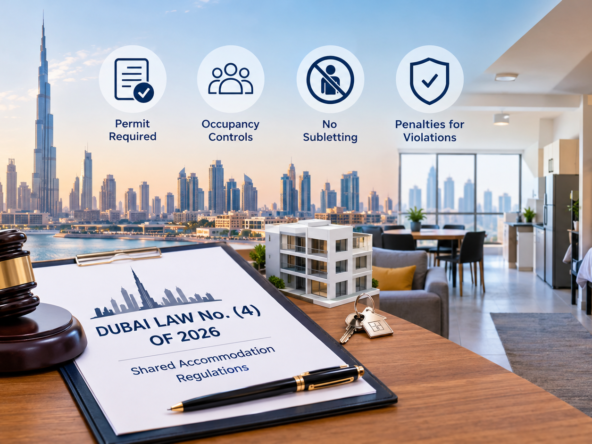
Integrated Regulatory Framework Explained
One of the biggest reasons behind Dubai’s rental market stability is its integrated regulatory framework, which governs every aspect of landlord-tenant relationships. This isn’t just bureaucratic oversight—it’s a carefully designed system that ensures transparency, fairness, and accountability.
The framework includes standardized contracts, dispute resolution mechanisms, and digital platforms that streamline the rental process. These elements work together to create a predictable environment, which is essential for both local and international stakeholders.
According to official data, this regulatory clarity has played a central role in maintaining steady market activity and investor confidence.
Impact on Landlord-Tenant Relationships
The real impact of regulation becomes evident when you look at how landlords and tenants interact. In many global markets, disputes over rent increases, maintenance, and contract terms can create friction. In Dubai, however, the system is designed to minimize such conflicts.
This leads to:
- Higher tenant satisfaction
- Lower legal disputes
- More predictable rental cycles
In essence, the regulatory framework acts as a stabilizing force, ensuring that both parties operate within clearly defined boundaries. And when relationships are stable, the market naturally becomes more resilient.
Demand Drivers Behind Dubai’s Rental Growth
Population Growth and Migration Trends
Dubai’s population continues to expand, driven by its reputation as a global business hub and lifestyle destination. This steady influx of residents creates a constant demand for rental properties, particularly in well-connected urban areas.
What’s interesting is the diversity of this demand. It’s not just corporate executives or high-net-worth individuals—Dubai is attracting freelancers, remote workers, and small business owners as well. This broad demographic base ensures that demand is distributed across multiple price segments, from affordable housing to luxury apartments.
Government Initiatives and Visa Policies
Government policies have played a crucial role in shaping demand. Initiatives like long-term residency visas, retirement visas, and remote work permits have made it easier for people to live and work in Dubai without traditional employment constraints.
These policies have effectively turned Dubai into a global magnet for talent and capital, which directly feeds into the rental market. When people move to a new city, renting is often their first step—and in Dubai, that step is supported by a well-structured ecosystem.
Economic Factors Supporting the Market
UAE Economic Resilience
Despite global uncertainties, the UAE economy has shown remarkable resilience. From tourism and trade to finance and technology, multiple sectors are contributing to sustained growth. This economic stability provides a strong foundation for the real estate market, including rentals.
Even amid regional tensions, Dubai’s property sector has continued to operate smoothly, highlighting its ability to withstand external shocks.
Real Estate as a Growth Engine
Real estate remains a key pillar of Dubai’s economy. In Q1 2026 alone, total property transactions reached AED 252 billion, marking a 31% year-on-year increase. This level of activity reinforces the sector’s importance and its interconnectedness with the broader economy.
Supply and Demand Dynamics in 2026
Housing Supply Trends
While demand remains strong, supply dynamics are evolving. New developments are entering the market, particularly in the mid-range segment, which could help balance pricing pressures. However, the pace of supply needs to match the growing population to maintain equilibrium.
Rental Yield Performance
Rental yields in Dubai remain attractive compared to global benchmarks, often ranging between 5% and 10% depending on location. This makes the city a compelling destination for property investors seeking steady income streams.
Impact of Global and Regional Events
Market Response to Geopolitical Tensions
Interestingly, Dubai’s rental market has shown resilience even during periods of geopolitical tension. Instead of declining, activity has remained stable, suggesting that the emirate is viewed as a safe haven for investment and residency.
Investor Confidence Amid Uncertainty
Investor confidence remains high, supported by transparent regulations and strong economic fundamentals. This confidence is crucial for sustaining long-term growth, especially in a global environment that is anything but predictable.
Comparison with Previous Years
Post-Pandemic Rental Surge
Since the pandemic, Dubai has experienced a significant surge in rental demand, driven by lifestyle changes and policy reforms. This surge laid the groundwork for the stable growth we’re seeing today.
Shift Toward Market Stabilization
In 2026, the market appears to be transitioning from rapid growth to controlled stabilization. This is a natural progression for any maturing market and is generally viewed as a positive sign.
Insights for Tenants and Landlords
What Tenants Should Expect
Tenants can expect a relatively stable rental environment with fewer abrupt price changes. The high number of renewals suggests that staying in the same property might be more advantageous than relocating.
Opportunities for Property Owners
For landlords, the current market offers consistent rental income and low vacancy risks. The decline in cancellations further enhances the reliability of rental contracts.
Future Outlook for Dubai Rental Market
Short-Term Predictions
In the short term, the market is likely to maintain its current trajectory, with steady activity and moderate growth. Regulatory support and economic stability will continue to play key roles.
Long-Term Growth Potential
Looking ahead, Dubai’s rental market is well-positioned for sustained expansion. With ongoing infrastructure development, population growth, and investor interest, the emirate is set to remain a global real estate powerhouse.
Conclusion
Dubai’s rental market hitting $8.8 billion in Q1 2026 is more than just a headline—it’s a reflection of a well-balanced, highly regulated, and resilient property ecosystem. From stable contract activity to declining cancellations, every indicator points toward a market that is not only growing but also maturing. Whether you’re a tenant, landlord, or investor, the current landscape offers a unique combination of stability and opportunity.