Dubai’s property market in 2026 doesn’t feel like the roaring, headline-grabbing machine it was just a year or two ago. And that’s exactly the point. The frenzy is fading, but the fundamentals are getting stronger. If you’ve been tracking real estate cycles, you’ll recognize this phase immediately—it’s what happens when a market matures. Instead of explosive growth fueled by speculation, we’re seeing a more structured, deliberate pace of activity that reflects confidence rather than hype.
After a record-breaking 2025, where transactions crossed hundreds of billions of dirhams, the market entered 2026 with sustained momentum but a noticeable behavioral shift. Transaction volumes remain high, but the nature of deals has changed. Buyers are no longer rushing in based on fear of missing out. They are evaluating, comparing, and negotiating. This shift isn’t a sign of weakness—it’s a sign of evolution.
From Speculation to Strategy
In previous years, the Dubai property market was often driven by short-term investors chasing quick capital appreciation. That dynamic is now giving way to a more strategic approach. Investors are focusing on long-term returns, rental yields, and asset quality. End-users are playing a larger role, bringing stability to the market.
Think of it like a stock market transitioning from day trading frenzy to long-term portfolio building. The noise decreases, but the value increases. This is exactly what’s happening in Dubai right now—a recalibration that prioritizes sustainability over speed.
Dubai Real Estate by the Numbers
Transaction Volumes vs Value Trends
One of the most telling indicators of Dubai’s current property market phase is the divergence between transaction volume and transaction value. In Q1 2026, transaction volumes dipped slightly compared to late 2025, but total sales value remained nearly unchanged.
This signals something critical: fewer deals, but bigger ones. Buyers are spending more per transaction, indicating confidence in premium assets. This is not the behavior of a declining market—it’s the hallmark of a consolidating one.
Price Growth and Market Stability
Let’s look at the numbers:
| Metric | Jan 2025 | Jan 2026 | Change |
|---|---|---|---|
| Transactions | 14,161 | 16,919 | +19.5% |
| Avg Price (AED/sqft) | 1,674 | 1,976 | +18% |
Prices have continued to rise steadily, with an 18% year-on-year increase in early 2026. This growth isn’t explosive—it’s controlled. And that’s exactly what investors want in a mature market.
What “Less Noise” Actually Means
Decline of Speculative Buying
The phrase “less noise” isn’t just catchy—it reflects a structural shift. Speculative buying, which once drove rapid price spikes, is gradually fading. Buyers are no longer jumping into off-plan projects purely based on marketing hype or flexible payment plans.
Instead, there’s increased scrutiny around:
- Developer reputation
- Project location
- Infrastructure connectivity
- Long-term livability
This reduces volatility and creates a more predictable market environment.
Rise of Data-Driven Decisions
Today’s buyers are informed. They’re analyzing price per square foot, comparing rental yields, and studying community-level performance. Tools and platforms providing real-time data have made it easier than ever to make calculated decisions.
This shift toward analytics-driven investing is one of the clearest signs that Dubai’s property market is entering a new phase—one defined by intelligence rather than impulse.
Demand Dynamics Driving the Recovery
End-Users vs Investors
Another major transformation lies in who is buying. End-users—families and long-term residents—are becoming a dominant force. This creates a stable demand base that is less sensitive to short-term market fluctuations.
Investor activity remains strong, but it is now more selective. Instead of chasing every new launch, investors are focusing on assets with proven demand and strong fundamentals.
International Buyer Influence
Dubai continues to attract global buyers, with strong interest from countries like India, the UK, China, and Russia. This international demand acts as a buffer against local market fluctuations, ensuring continuous liquidity.
At the same time, geopolitical factors and global economic shifts are influencing buying patterns. Investors are increasingly viewing Dubai as a safe haven, particularly in uncertain times.
The Role of Off-Plan Dominance
Why Off-Plan Still Leads
Off-plan properties continue to dominate the market, accounting for over 60% of transactions. Developers offer flexible payment plans, making it easier for buyers to enter the market without large upfront capital.
This segment remains attractive because it combines affordability with potential capital appreciation.
Risks and Rewards in 2026
However, the off-plan market is becoming more selective. Not all projects are created equal, and buyers are increasingly aware of this. Projects in prime locations with strong developers continue to perform well, while others face slower uptake.
This segmentation is healthy—it weeds out weaker projects and strengthens overall market quality.
Infrastructure as a Market Catalyst
Transportation and Urban Planning
Infrastructure development continues to play a pivotal role in shaping Dubai’s property market. Major projects like new metro lines and urban expansions are driving demand in emerging areas.
Connectivity is becoming a key factor in property valuation. Areas with strong transport links are seeing higher demand and price resilience.
Emerging Communities Gaining Attention
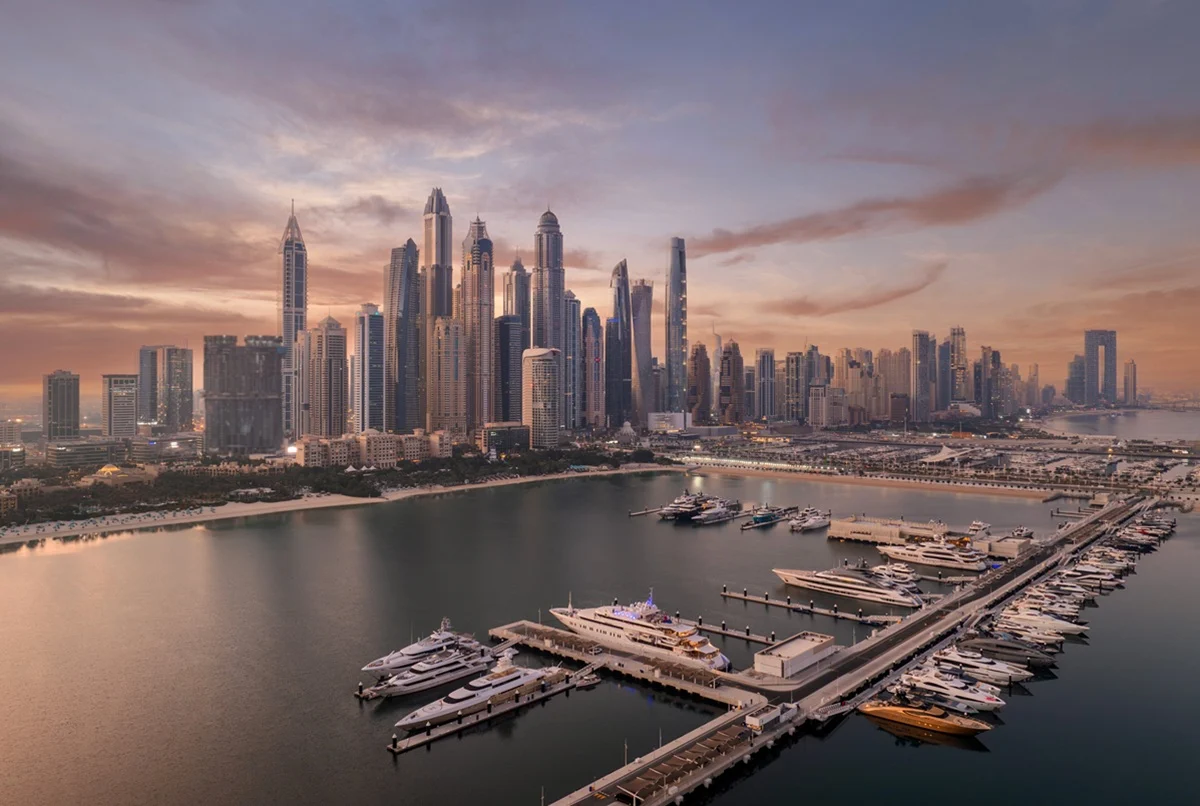
New communities such as Dubai Islands and Maritime City are gaining traction, while established areas like Dubai Marina and Downtown Dubai remain consistently popular.
This balance between new and established locations adds depth to the market, offering opportunities for both growth and stability.
Supply Pressure and Market Balance
Upcoming Inventory Wave
A significant supply pipeline—over 50,000 units expected between 2026 and 2028—could moderate price growth in certain segments.
This isn’t necessarily negative. Increased supply can stabilize prices and make the market more accessible to buyers.
Segment-Based Impact
The impact of new supply won’t be uniform. Apartments, particularly in mid-tier areas, may face more pressure, while villas and premium properties remain relatively insulated due to limited availability.
This divergence highlights the importance of location and asset type in investment decisions.
Commercial Real Estate Momentum
Growth Beyond Residential
Dubai’s commercial real estate sector is experiencing even stronger growth than residential. Transaction values surged by 61% year-on-year in 2025.
This reflects increasing business activity and the city’s role as a global economic hub.
Investor Diversification Trends
Investors are diversifying into office spaces, retail, and mixed-use developments. This broadens the market and reduces reliance on residential real estate alone.
The Psychology of Buyers in 2026
Slower, Smarter Decision-Making
Buyers are taking their time. They’re analyzing, negotiating, and waiting for the right opportunity. This slower pace might seem like a slowdown, but it actually reflects a healthier market dynamic.
The End of Panic Buying
Gone are the days of panic buying and bidding wars. Today’s market rewards patience and strategy. Buyers who do their homework are finding better deals and more sustainable investments.
Conclusion: A Mature Market, Not a Weak One
Dubai’s property market in 2026 is not losing momentum—it’s refining it. The shift from hype-driven growth to disciplined expansion marks a significant milestone in its evolution. Prices are still rising, demand remains strong, and investor confidence is intact. But the behavior of market participants has changed.
This is no longer a market where everyone wins by simply entering. It’s a market where success depends on insight, timing, and strategy. Less noise, more action—that’s the defining theme of Dubai’s current property cycle.
FAQs
1. Is Dubai’s property market slowing down in 2026?
No, it’s stabilizing rather than slowing. Transaction volumes may fluctuate, but overall value and demand remain strong.
2. Why are transaction volumes decreasing while values stay high?
This indicates a shift toward higher-value transactions and more selective buying behavior.
3. Is off-plan property still a good investment?
Yes, but only in well-located projects by reputable developers. Selectivity is key in 2026.
4. Will property prices continue to rise in Dubai?
Prices are expected to grow at a moderate pace, supported by strong demand and controlled supply.
5. What is the biggest trend in Dubai real estate right now?
The biggest trend is the shift from speculative buying to data-driven, strategic investment.