If you’ve ever wanted to invest in real estate without actually buying property, Real Estate Investment Trusts (REITs) are the closest thing to a shortcut. A REIT pools money from investors and uses it to purchase, manage, and generate income from real estate assets. In simple terms, it’s like owning a slice of multiple properties rather than dealing with a single apartment or villa. Investors earn returns primarily through rental income and dividends, making REITs attractive for those seeking consistent cash flow.
The Dubai Residential REIT stands out because it operates under a Shariah-compliant structure, meaning it adheres to Islamic finance principles. This widens its investor base significantly across the Middle East and beyond. It focuses entirely on residential properties, which is a crucial distinction because residential demand in Dubai has remained resilient compared to other asset classes. Think of it as investing directly in the heartbeat of Dubai’s housing market.
What makes REITs particularly interesting is their transparency and liquidity. Unlike traditional real estate investments that take months to buy or sell, REIT units can be traded on stock exchanges, making them far more flexible. This combination of accessibility, income generation, and diversification explains why REITs have become increasingly popular globally—and why Dubai’s version is gaining serious traction.
Overview of Dubai Residential REIT Portfolio
Dubai Residential REIT manages a massive portfolio of around 35,700 residential units, covering various segments including premium, community, affordable housing, and corporate accommodation. This diversification is not accidental—it’s a strategic hedge against market volatility. When one segment slows down, another often picks up the slack, ensuring consistent income flow.
The portfolio’s strength lies in its prime locations and well-managed communities, which continue to attract tenants even during uncertain economic conditions. Properties are not just scattered randomly across the city; they are carefully positioned in high-demand zones where infrastructure, accessibility, and lifestyle amenities converge. This ensures that vacancy rates remain extremely low.
What’s even more compelling is how the REIT balances quality and affordability. While premium properties cater to high-income residents and expatriates, the affordable segment addresses the growing demand for cost-effective housing. This dual approach allows the REIT to capture a broad tenant base, making it less vulnerable to economic shifts. Essentially, it’s not betting on one type of renter—it’s capturing the entire market spectrum.
Latest Financial Performance Overview
Revenue Growth and Key Figures
The headline figure grabbing attention is the 8.4% revenue increase, which aligns closely with reported annual growth trends of around 9% year-on-year, bringing total revenue to approximately AED 1.95 billion. This isn’t just a random spike—it reflects sustained demand and effective asset management.
Revenue growth in real estate is rarely accidental. It usually comes from two sources: higher occupancy and increased rental rates. In this case, Dubai Residential REIT achieved both. The company managed to increase average revenue per leased unit to AED 53,524, indicating not only more tenants but also better pricing power.
Another key metric is revenue per square foot, which rose to AED 56.5, signaling efficient utilization of space. This metric is often overlooked, but it’s critical because it shows how effectively the REIT monetizes its assets. Higher revenue per square foot means better returns without necessarily expanding the portfolio.
When you put these numbers together, a clear picture emerges: this isn’t just growth—it’s optimized growth. The REIT isn’t relying on expansion alone; it’s extracting more value from its existing assets, which is a hallmark of a well-managed real estate portfolio.
Profitability and EBITDA Expansion
Revenue growth is impressive, but profitability tells the real story. The REIT reported a 15.2% increase in EBITDA, reaching around AED 1.49 billion, with margins expanding to 76.4%. That’s a significant jump and indicates strong operational efficiency.
High EBITDA margins in real estate typically suggest two things: effective cost control and strong rental income. In this case, both factors are at play. The REIT has managed to keep operating costs in check while increasing rental income, creating a powerful leverage effect. In simple terms, more of every dirham earned is turning into profit.
Net profit also rose to AED 1.28 billion, reflecting a 14.5% increase year-on-year. This kind of consistent profitability growth is what investors look for, especially in income-generating assets like REITs.
The takeaway here is straightforward: Dubai Residential REIT isn’t just growing—it’s becoming more efficient while doing so. That combination is rare and highly valuable in the real estate sector.
Occupancy Rates Driving Growth
Near 99% Occupancy Explained
Occupancy rates are the lifeblood of any real estate business, and Dubai Residential REIT is operating at near perfection. With average occupancy reaching around 98.3% and some segments exceeding 99%, the portfolio is essentially full.
Think about what that means in practical terms. Out of tens of thousands of units, only a tiny fraction remains vacant at any given time. This level of occupancy is not just impressive—it’s a strong indicator of market demand and tenant satisfaction.
High occupancy reduces revenue volatility because income streams become predictable. It also minimizes the costs associated with tenant turnover, such as marketing and maintenance. Essentially, the REIT is operating in a state of near-maximum efficiency.
Segment-wise Occupancy Breakdown
The performance becomes even more impressive when you look at individual segments:
| Segment | Occupancy Rate |
|---|---|
| Premium | 98.4% |
| Community | 98.3% |
| Affordable | 99.1% |
| Corporate Housing | 99.5% |
These figures highlight a critical insight: demand is strong across all segments, not just luxury or affordable housing. This broad-based demand reduces risk significantly because the REIT isn’t dependent on a single market segment.
It also suggests that Dubai’s residential market is well-balanced, with consistent demand from different income groups and tenant types. That’s a powerful foundation for long-term growth.
Key Drivers Behind Revenue Growth
Strong Rental Demand in Dubai
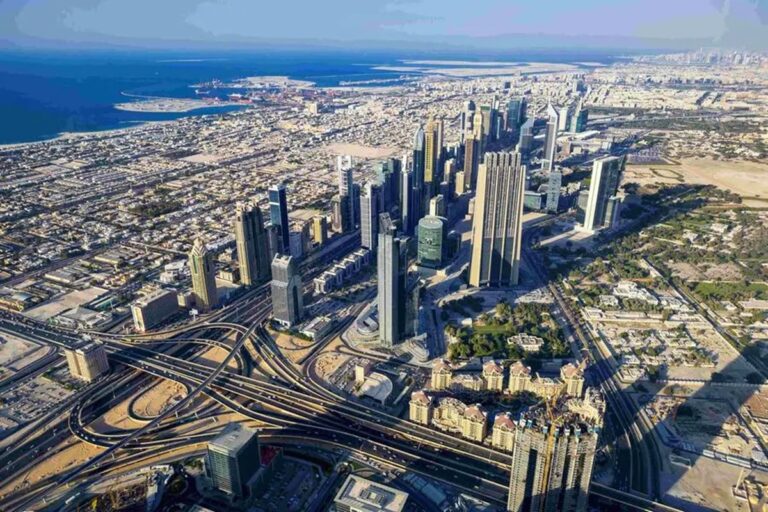
Dubai’s population growth and economic expansion are major drivers behind the REIT’s performance. The city continues to attract expatriates, professionals, and investors, all of whom need housing. This creates a constant demand for residential properties.
Rental demand is further supported by Dubai’s status as a global business hub. As companies expand and new businesses enter the market, the need for housing increases. This demand is not just short-term—it’s structural.
Effective Leasing and Renewal Strategy
Another key factor is the REIT’s high retention rate of 87.6%, which means most tenants choose to renew their leases. This reduces vacancy risks and ensures stable income.
The REIT also employs proactive leasing strategies, ensuring that units are quickly filled whenever they become available. This combination of retention and efficient leasing creates a powerful revenue engine.
Dubai Real Estate Market Trends 2026
Population Growth and Demand Surge
Dubai’s population growth continues to fuel housing demand. With hundreds of thousands of new residents entering the city, the need for residential units remains strong. This demographic trend acts as a long-term support for the real estate market.
Rental Market Performance Insights
Recent rental data indicates a stable and growing market, with strong renewal rates and declining cancellations. This suggests that tenants are staying longer, which aligns with the REIT’s high retention figures.
Portfolio Strength and Asset Value Growth
Net Asset Value and Gross Asset Value
The REIT’s gross asset value increased by 8.8% to AED 23.54 billion, while net asset value rose by 12.6% to AED 22.05 billion. These figures reflect the underlying strength of the portfolio.
Revenue Per Unit and GLA Performance
Higher revenue per unit and per square foot indicate improved asset utilization, which directly contributes to profitability and investor returns.
Investor Perspective
Dividend Announcements and Returns
The REIT proposed a dividend of AED 550 million, highlighting its commitment to delivering returns to investors.
Why REITs Attract Global Investors
REITs offer a combination of income stability, diversification, and liquidity, making them attractive to both institutional and retail investors.
Operational Efficiency and Strategy
Cost Management and Margin Expansion
Strong cost control has played a key role in improving margins, allowing more revenue to flow through to profits.
Retention Rates and Tenant Stability
High retention rates reduce turnover costs and provide predictable income streams.
Future Growth Outlook
Expansion Plans and New Developments
The REIT plans to expand its portfolio with new developments, ensuring continued growth.
Risks and Market Challenges
Potential risks include supply increases and market fluctuations, but strong fundamentals provide a buffer.
Why This Matters for Investors and Residents
Impact on Rental Prices
High occupancy often leads to rising rental prices, benefiting landlords but posing challenges for tenants.
Long-Term Real Estate Outlook in Dubai
Dubai’s real estate market remains strong, supported by economic growth and population expansion.
Conclusion
Dubai Residential REIT’s performance is a clear reflection of a thriving real estate market. With revenue rising, occupancy nearing 99%, and profitability expanding, the REIT is operating at peak efficiency. Strong demand, effective management, and a diversified portfolio have created a resilient business model. For investors, it offers stable returns and growth potential. For residents, it highlights the increasing demand for housing in one of the world’s most dynamic cities.