The UAE real estate market has kicked off 2026 with an extraordinary performance, setting new benchmarks that are hard to ignore. In the first quarter alone, the total value of property transactions reached AED 252 billion (approximately $68.7 billion), marking a 31% increase compared to the same period last year. This isn’t just a routine growth cycle—it’s a strong signal that the UAE continues to dominate as a global real estate hotspot.
What makes this surge particularly interesting is the consistency across multiple emirates. From Dubai’s bustling property scene to Abu Dhabi’s explosive growth, the momentum isn’t isolated—it’s systemic. Investors, both local and international, are actively participating, creating a dynamic environment fueled by confidence and opportunity.
Think of the UAE real estate market like a high-speed train that keeps gaining passengers at every stop. Instead of slowing down, it accelerates with each new wave of demand. The first quarter’s numbers reflect more than just transactions—they represent a deeper shift toward long-term investment confidence and market maturity.
Record-Breaking Transaction Value Explained
Breaking down the headline figure reveals just how significant this milestone is. A 31% year-on-year increase isn’t accidental—it’s the result of coordinated economic policies, investor-friendly regulations, and strong global positioning.
The UAE has strategically positioned itself as a safe haven for capital. With stable governance, tax advantages, and world-class infrastructure, it attracts investors who are looking for both security and returns. Real estate becomes the natural choice in such an environment.
Another important factor is diversification. The market is no longer dependent on a single segment. Residential, commercial, luxury, and off-plan developments all contribute to the overall transaction volume. This diversification reduces risk and enhances sustainability, making the sector more resilient.
Key Growth Statistics and Market Momentum
Let’s look at some key numbers shaping this growth story:
| Metric | Q1 2026 Value | Growth Rate |
|---|---|---|
| Total Transactions | AED 252 billion | +31% YoY |
| Dubai Transactions | 718,160 deals | +6% YoY |
| Abu Dhabi Transactions | AED 66 billion | +160.7% YoY |
| Ajman Transactions | AED 6.22 billion | +12% YoY |
These figures highlight how different emirates contribute uniquely to the overall performance. The standout here is Abu Dhabi, which has seen exponential growth, indicating a shift in investor focus beyond Dubai.
Breakdown by Emirates
Dubai Real Estate Market Performance
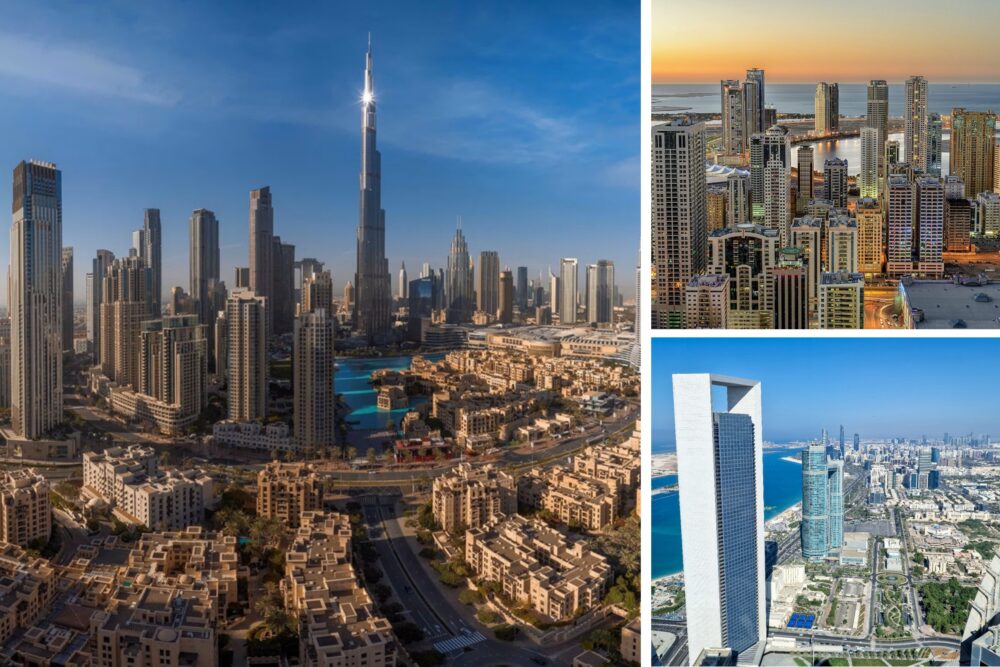
Dubai continues to be the flagship of UAE’s real estate sector, maintaining its reputation as a global investment hub. In Q1 2026, the emirate recorded over 718,000 real estate transactions, reflecting a 6% increase compared to the previous year.
Dubai’s appeal lies in its diversity. Whether you’re looking for affordable apartments, mid-range housing, or ultra-luxury villas, the city offers something for every investor. The presence of iconic developments, combined with strong rental yields, makes it a magnet for global buyers.
Another key factor is liquidity. Dubai’s property market is highly liquid, meaning assets can be bought and sold relatively quickly. This flexibility is particularly attractive for investors who want to capitalize on short-term opportunities without locking in capital for extended periods.
Abu Dhabi’s Exceptional Growth Surge
While Dubai remains dominant, Abu Dhabi has emerged as the breakout star of 2026. The emirate recorded AED 66 billion in transactions, representing a staggering 160.7% increase year-on-year.
This growth is not just impressive—it’s transformative. It signals a shift in investor perception, where Abu Dhabi is no longer seen as a secondary market but as a primary investment destination.
Key Areas Driving Abu Dhabi Demand
Several high-performing المناطق have driven this growth:
- Hudayriyat Island
- Reem Island
- Saadiyat Island
These المناطق have attracted significant investment due to their strategic location, premium developments, and lifestyle offerings.
The surge in foreign direct investment, which grew by over 400%, further highlights the emirate’s increasing global appeal.
Sharjah and Ajman Market Contributions
Sharjah and Ajman may not grab headlines like Dubai and Abu Dhabi, but their contributions are equally important. Ajman alone recorded AED 6.22 billion in transactions, reflecting steady growth and increasing investor interest.
These emirates offer affordability, making them attractive to middle-income buyers and investors seeking higher rental yields. As Dubai prices continue to rise, spillover demand into neighboring emirates is expected to grow.
Key Drivers Behind the Growth
Foreign Investment Surge
One of the most powerful drivers behind this record performance is the surge in foreign investment. Investors from across the globe are entering the UAE market, drawn by its stability and profitability.
The UAE’s open policies, including long-term visas and full foreign ownership in certain sectors, have significantly boosted investor confidence. When investors feel secure, they invest more—and that’s exactly what we’re seeing.
Government Policies and Investor Confidence
Government initiatives play a crucial role in shaping the market. Policies aimed at improving transparency, reducing bureaucracy, and enhancing investor protection have created a favorable environment.
Regulatory frameworks ensure that transactions are secure, reducing risks associated with fraud or disputes. This level of trust is essential for sustaining long-term growth.
Supply vs Demand Dynamics
Interestingly, demand continues to outpace supply in several segments, particularly in premium and luxury properties. This imbalance drives price appreciation and increases transaction volumes.
At the same time, developers are launching new projects to meet demand, ensuring that the market remains active and competitive.
Market Trends Shaping 2026
Rise of Off-Plan Properties
Off-plan properties—those sold before construction is completed—are gaining popularity. These projects offer flexible payment plans and lower entry prices, making them attractive to investors.
Developers benefit from early funding, while buyers gain access to potentially higher returns. It’s a win-win scenario that fuels market activity.
Luxury and Ultra-Prime Segment Growth
Luxury real estate is another major growth driver. High-net-worth individuals are increasingly investing in premium properties, particularly in Dubai and Abu Dhabi.
These properties are not just homes—they’re status symbols, investment vehicles, and lifestyle choices all rolled into one.
Increasing Role of Technology in Real Estate
Technology is transforming how real estate transactions are conducted. From virtual tours to blockchain-based contracts, the buying process is becoming faster and more efficient.
This digital transformation enhances transparency and reduces transaction time, making the market more accessible.
Investment Opportunities in UAE Property Market
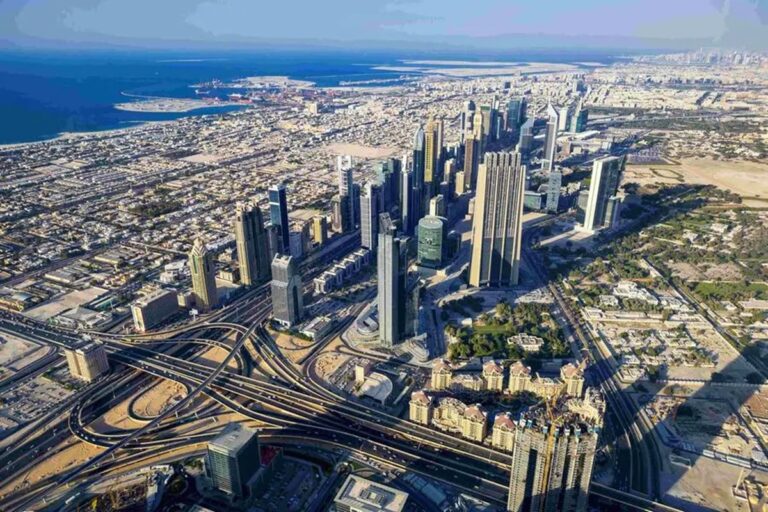
Residential vs Commercial Investment
Investors often face a key decision: residential or commercial property? Residential properties offer steady rental income, while commercial assets can deliver higher yields but come with higher risks.
The choice depends on your investment strategy, risk tolerance, and financial goals.
Best Locations for Investors
Top investment locations include:
- Dubai Marina
- Downtown Dubai
- Yas Island
- Saadiyat Island
These areas offer strong demand, high rental yields, and long-term growth potential.
Challenges and Risks in the Market
Geopolitical and Economic Factors
No market is immune to external influences. Regional tensions and global economic shifts can impact investor sentiment and transaction volumes.
However, the UAE has shown resilience, maintaining stability even during uncertain times.
Market Saturation Concerns
As supply increases, there’s always a risk of oversupply in certain segments. Developers must carefully balance supply with demand to avoid price corrections.
Future Outlook for UAE Real Estate
Forecast for 2026 and Beyond
The outlook for the UAE real estate market remains positive. Strong fundamentals, combined with strategic government initiatives, suggest continued growth.
Even with potential short-term fluctuations, the long-term trajectory appears upward.
Long-Term Investment Potential
For investors, the UAE offers a compelling proposition: stability, growth, and global connectivity. It’s not just about buying property—it’s about securing a foothold in one of the world’s most dynamic markets.
Conclusion
The UAE real estate sector’s record-breaking $68.7 billion in Q1 transactions is more than just a headline—it’s a testament to the country’s economic strength and global appeal. With strong performance across multiple emirates, increasing foreign investment, and evolving market dynamics, the sector is poised for sustained growth. Whether you’re an investor, developer, or observer, one thing is clear: the UAE real estate market is not slowing down anytime soon.