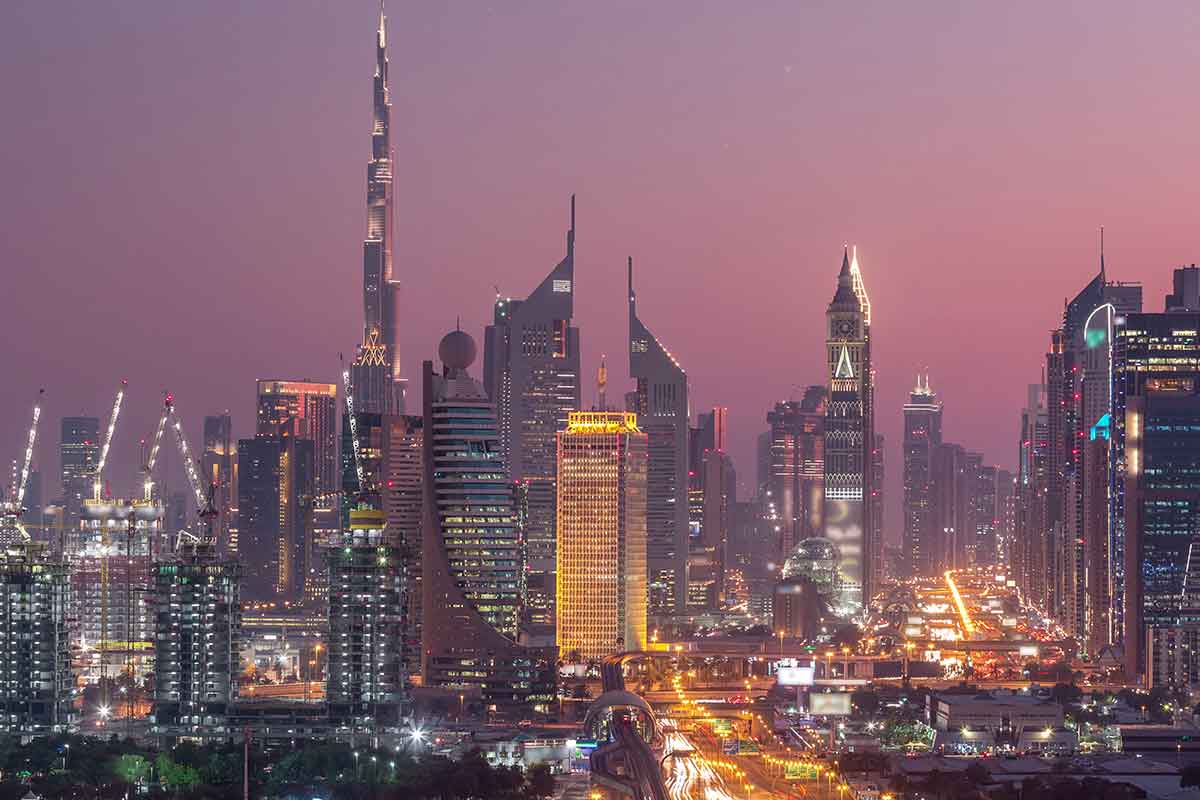
Dubai’s skyline has always symbolized ambition, but in 2026, it tells a deeper story—one of surging office values, global investor confidence, and a fierce race for premium assets. If you’ve been watching the market closely, you’ll notice something interesting: while residential real estate remains strong, it’s the commercial office segment—especially prime Grade A spaces—that’s stealing the spotlight.
So, what’s really happening? Why are investors suddenly pouring billions into office properties?
The answer lies in a powerful mix of limited supply, rising corporate demand, and Dubai’s growing status as a global business hub. According to recent market data, Dubai’s commercial property sector recorded an 82% year-on-year increase in sales value, reaching approximately AED 17.1 billion . That’s not just growth—it’s a signal of a structural shift in how investors view office real estate.
Think of it like this: in a world where uncertainty is rising, investors are chasing stability, income, and long-term value. And Dubai’s prime office spaces offer exactly that.
The Surge in Office Values Across Dubai
Record Price Growth in Prime Districts
Dubai’s office market didn’t just grow—it accelerated sharply, particularly in its most prestigious districts. In Downtown Dubai, average office prices climbed to AED 5,130 per square foot in 2025, marking a 29% year-on-year increase .
That kind of jump isn’t random. It reflects a market where demand is outpacing supply, pushing prices upward at a rapid pace. Businesses are no longer just looking for office space—they’re competing for high-quality, strategically located environments that enhance their brand and attract talent.
This shift has transformed offices from simple workspaces into something more akin to corporate showrooms. Companies want locations that impress clients, inspire employees, and support hybrid work models. Naturally, that kind of demand comes at a premium.
High-Value Transactions Driving Momentum
Another clear indicator of market strength is the surge in high-value deals. In 2025 alone, 167 office transactions exceeded AED 10 million, representing a 114% increase year-on-year .
This isn’t small-scale activity—it’s institutional-level investment. Large investors, funds, and high-net-worth individuals are targeting Dubai’s office market with precision, focusing on income-generating assets in prime locations.
Why? Because these assets offer something rare: predictable returns in an unpredictable world.
Why Investors Are Targeting Prime Office Assets
Scarcity of Grade A Office Spaces
One of the biggest drivers behind rising office values is simple economics: scarcity.
Dubai is currently experiencing one of its tightest office supply environments in recent history, with occupancy rates in prime areas reaching 95% to 99% . In some locations, like DIFC, vacancy rates are nearly nonexistent.
Imagine trying to book a five-star hotel during peak season—prices soar because availability is limited. The same principle applies here. With very few premium offices available, investors are willing to pay a premium to secure them.
Strong Rental Yields and Capital Appreciation
Let’s talk numbers. Prime office spaces in Dubai are delivering consistent rental growth and strong yields, making them highly attractive for investors seeking income.
Rental rates have risen significantly, with some areas experiencing double-digit growth annually . At the same time, capital values continue to climb, creating a powerful combination of income + appreciation.
This dual benefit is exactly what long-term investors look for. It’s not just about flipping properties—it’s about building stable, income-generating portfolios.
Key Areas Leading the Office Market Growth
Downtown Dubai
Downtown Dubai stands at the center of this boom, both geographically and economically. Its proximity to landmarks, infrastructure, and business hubs makes it one of the most desirable office locations in the region.
The nearly 30% price increase in this area highlights its strong appeal to investors who prioritize prestige and accessibility.
DIFC and Business Bay
DIFC (Dubai International Financial Centre) continues to dominate as the region’s financial powerhouse, while Business Bay offers a dynamic mix of connectivity, affordability, and growth potential.
Together, these districts are attracting global corporations, financial institutions, and tech firms, creating a self-reinforcing cycle of demand and value growth.
Demand Drivers Behind the Market Boom
Financial Sector Expansion
The financial sector is a major force behind Dubai’s office demand, accounting for over 32% of leasing activity .
Banks, investment firms, and financial institutions are expanding their presence in Dubai, drawn by its business-friendly environment and strategic location between East and West.
Technology Firms and Startups
Technology companies are another key driver, contributing more than 23% of office demand .
From startups to global tech giants, these firms are seeking modern, flexible office spaces that support innovation and collaboration. This has further increased demand for high-quality, well-designed buildings.
Supply Constraints and Market Imbalance
Limited Availability of Ready Offices
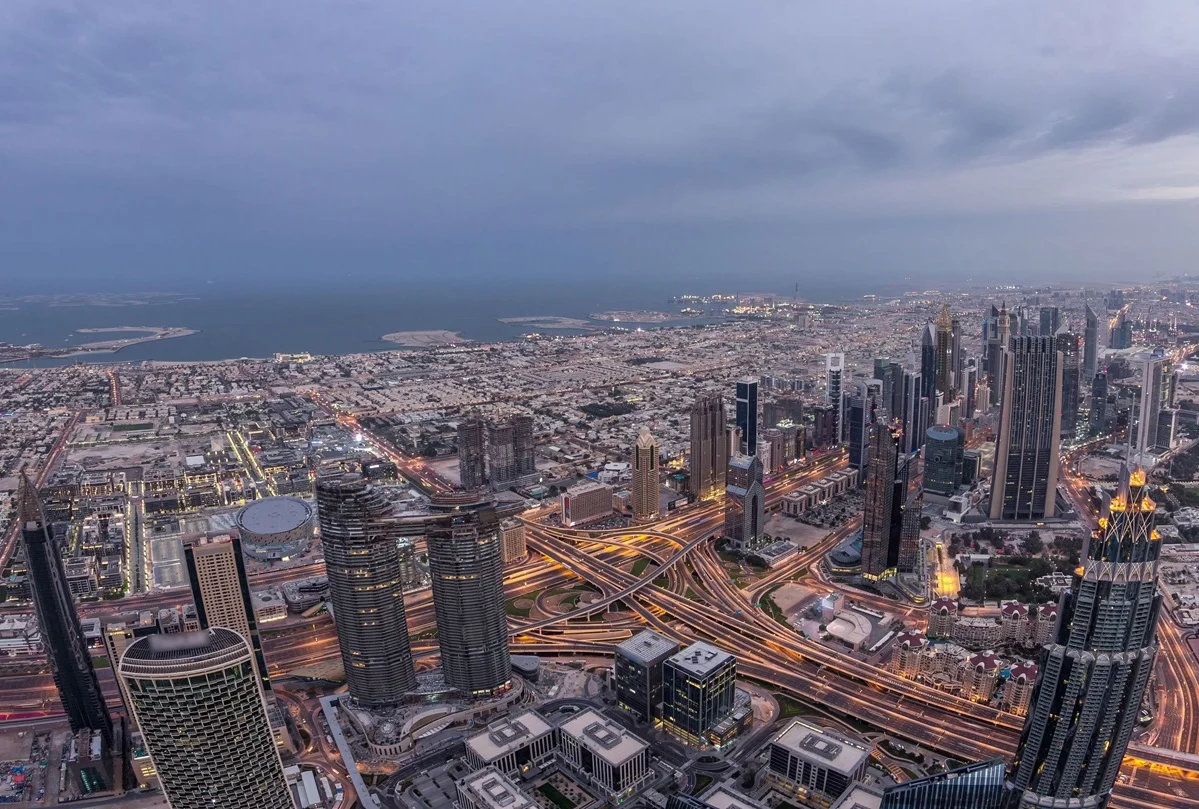
Despite strong demand, the supply of ready-to-move-in offices remains limited. This imbalance is one of the primary reasons behind rising prices and rents.
Companies aren’t just looking for space—they need it now. And with limited options available, competition intensifies.
Future Supply Pipeline (2026–2030)
Looking ahead, around 24.2 million square feet of new office space is expected to be delivered between 2026 and 2030 .
While this may ease pressure in the long term, most of this supply is concentrated in prime districts, ensuring continued focus on high-quality developments.
Investor Behavior and Market Trends
Shift Toward Income-Generating Assets
Investors are becoming more strategic. Instead of speculative purchases, they’re focusing on assets that generate consistent income.
This shift reflects a broader trend toward risk management and long-term planning, especially in uncertain global conditions.
Rise in Off-Plan Commercial Investments
Interestingly, off-plan commercial transactions now account for over 41% of deals .
Investors are locking in future supply early, betting on continued demand and price growth.
Rental Growth and Occupancy Rates
Increasing Rental Prices
Rental growth has been strong across Dubai’s office market, driven by tight supply and high demand.
Prime offices are commanding premium rents, particularly in central business districts.
Near-Full Occupancy in Prime Areas
With occupancy rates nearing 100% in key locations, landlords hold significant pricing power. This creates a favorable environment for investors seeking steady rental income.
Risks and Challenges in the Market
Geopolitical Uncertainty
No market is without risk. Regional tensions and global economic uncertainty could impact investor sentiment and transaction volumes.
Potential Market Slowdown
If new supply enters the market faster than expected, it could moderate price growth. However, current fundamentals remain strong.
Future Outlook for Dubai’s Office Market
Long-Term Investment Potential
Dubai’s position as a global business hub ensures continued demand for office space. With diversified economic growth, the outlook remains positive.
Market Stabilization with New Supply
As new developments are completed, the market may shift toward a more balanced state, offering opportunities for both investors and occupiers.
Conclusion
Dubai’s office market is undergoing a transformation driven by scarcity, demand, and investor confidence. Prime assets are no longer just desirable—they’re essential for investors seeking stability and growth.
With rising values, strong rental yields, and a robust economic foundation, Dubai continues to position itself as one of the most attractive commercial real estate markets in the world.
FAQs
1. Why are Dubai office values increasing so rapidly?
Because of limited supply of Grade A offices and strong demand from global businesses, especially in finance and technology sectors.
2. Which areas are best for office investment in Dubai?
Top areas include Downtown Dubai, DIFC, and Business Bay, known for high demand and premium returns.
3. Is investing in Dubai office space profitable?
Yes, due to high rental yields, capital appreciation, and near-full occupancy rates.
4. What risks should investors consider?
Key risks include geopolitical uncertainty and future supply increases.
5. Will office prices continue to rise in Dubai?
Short-term growth is expected to continue, but long-term trends may stabilize as new supply enters the market.