Dubai’s real estate market has once again captured global attention, and this time the numbers are impossible to ignore. In the first quarter of 2026 alone, property transactions reached an astonishing $68.6 billion (AED 252 billion), marking a 31% year-on-year increase. This surge isn’t just a short-term spike—it reflects a deeply rooted transformation in how investors perceive Dubai as a long-term wealth hub.
If you’ve been watching the market over the past few years, this trajectory feels like a continuation of a powerful trend rather than a sudden jump. The emirate has consistently positioned itself as a global magnet for capital, blending luxury lifestyle appeal with business-friendly policies. What’s different in 2026, however, is the scale and diversity of investor participation.
Key Statistics from Q1 2026
Let’s break down the numbers to understand the magnitude of this growth. Dubai recorded 60,303 real estate transactions, reflecting a 6% increase in volume compared to the same period last year. Meanwhile, the number of investment deals climbed to 57,744, with total investment value reaching AED 173 billion, up by 22%.
Even more telling is the influx of 29,312 new investors, which expanded the overall investor base by 8%. This signals that Dubai isn’t just retaining existing investors—it’s actively attracting new ones at an accelerating pace.
Market Momentum Compared to Previous Years
To put things into perspective, Dubai’s real estate sector has been riding a strong recovery wave since the pandemic slowdown. The market already had a record-breaking 2025, and 2026 is building on that momentum rather than resetting it.
Think of it like a snowball rolling downhill—it’s not just growing, it’s accelerating. The combination of consistent demand, strategic government planning, and global economic shifts has turned Dubai into a safe haven for real estate investment.
What’s Driving the 31% Surge in Property Values
A 31% increase in transaction value isn’t accidental. It’s the result of multiple interconnected factors working together to create a high-demand, high-confidence market environment.
Rising Global Investor Confidence
One of the biggest drivers behind this surge is international trust in Dubai’s stability. Investors from across the world are increasingly viewing the city as a reliable place to park capital, especially during uncertain global conditions.
Foreign investments alone rose by 26%, reaching AED 148.35 billion, highlighting how critical international buyers are to the market’s growth. This isn’t just about money flowing in—it’s about confidence flowing in.
Economic Policies and Government Initiatives
Dubai’s leadership has played a pivotal role in shaping this growth. Policies such as long-term residency visas, including the popular Golden Visa program, have made property ownership more attractive for expatriates and investors.
Additionally, strategic frameworks like the Dubai Economic Agenda D33 and Real Estate Strategy 2033 are creating a structured roadmap for sustainable growth. These initiatives ensure that the market doesn’t just grow fast—but grows smart.
Breakdown of Transaction Data
Understanding the numbers beneath the headlines reveals the true structure of Dubai’s real estate ecosystem.
Total Transactions and Volume Growth
While transaction value surged by 31%, the volume increase of 6% indicates something important: properties are becoming more valuable, not just more frequent. This suggests a shift toward higher-value assets, particularly in premium and luxury segments.
The total number of real estate procedures recorded during the quarter exceeded 718,000, showing the sheer scale of activity within the sector.
Investment Value and Buyer Trends
Investment value rose significantly, driven by both seasoned investors and first-time buyers entering the market. This dual-layer demand—experienced investors scaling up and new investors entering—creates a powerful growth dynamic.
Interestingly, the data shows that buyers are becoming more strategic. They’re no longer just chasing quick returns but focusing on long-term value, rental yields, and capital appreciation.
The Role of Foreign Investment in Dubai’s Property Market
Dubai’s real estate market has always been global, but in 2026, it’s more international than ever.
Contribution of International Buyers
Foreign capital continues to be the backbone of Dubai’s property boom. With billions flowing in from international markets, Dubai has effectively positioned itself as a global investment hub rather than a regional one.
Regional Investors vs Global Investors
While investors from the Gulf Cooperation Council (GCC) and Arab countries contributed over AED 24 billion combined, global investors still dominate in terms of overall value.
This diversification is crucial. It reduces dependency on any single region and makes the market more resilient to economic fluctuations.
Luxury Real Estate Leading the Charge
If there’s one segment stealing the spotlight, it’s luxury real estate.
Surge in High-End Property Investments
Luxury property investments jumped by 26%, reaching AED 87.7 billion in Q1 2026. This segment alone is responsible for a significant portion of the overall value increase.
Why Ultra-Luxury Properties Are in Demand
Why are high-net-worth individuals flocking to Dubai? The answer lies in a mix of lifestyle, tax advantages, and global connectivity. From waterfront villas to branded residences, Dubai offers assets that combine prestige with profitability.
For many investors, owning property in Dubai isn’t just about returns—it’s about status, security, and diversification.
Key Areas Driving Property Transactions
Dubai’s real estate growth isn’t evenly distributed—it’s concentrated in strategic hotspots.
Popular Residential and Investment Zones
Areas like Jumeirah Village Circle, Dubai South, and waterfront communities continue to attract strong demand due to affordability, infrastructure, and growth potential.
Emerging Communities and Developments
New developments and master-planned communities are also playing a major role. These areas offer modern amenities, flexible payment plans, and strong future appreciation potential.
Supply and Demand Dynamics in 2026
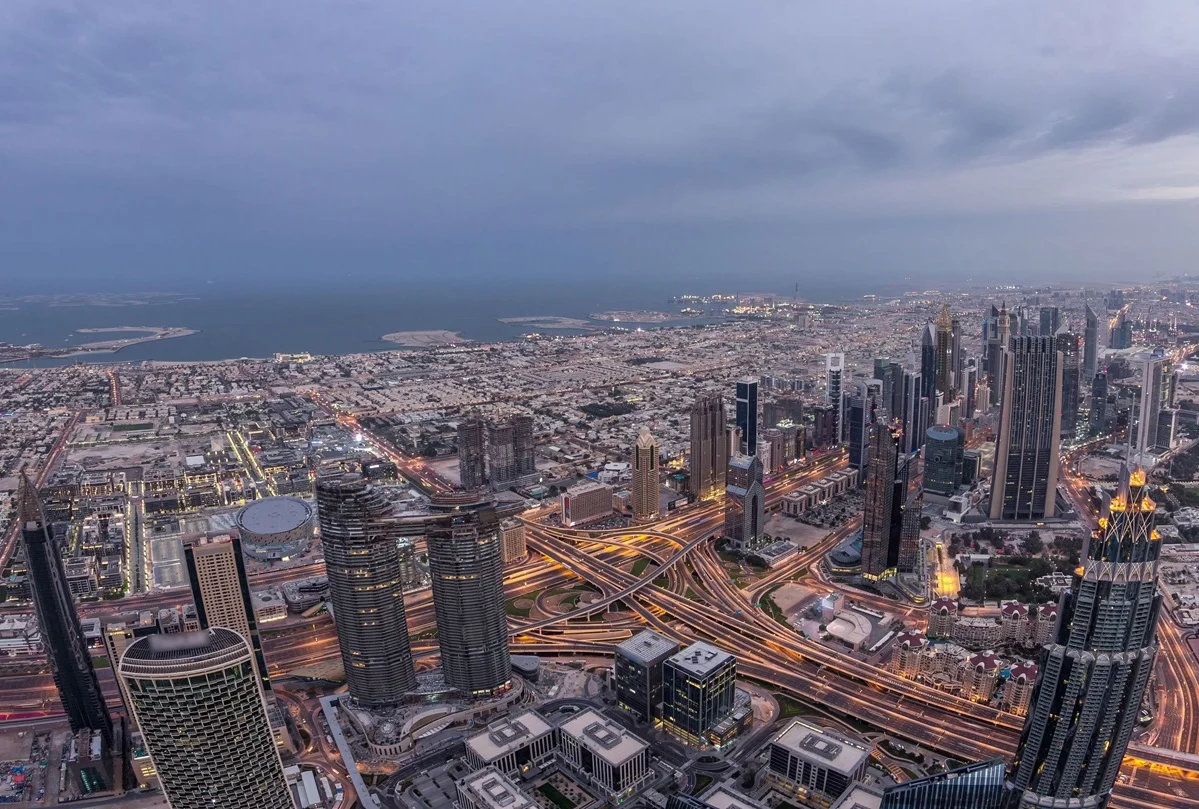
Behind every booming market lies a delicate balance between supply and demand.
New Developments and Off-Plan Projects
Off-plan properties account for a significant share of transactions, driven by attractive payment structures and lower entry prices. Developers are capitalizing on this demand by launching new projects at a rapid pace.
Housing Supply vs Population Growth
Dubai’s population growth continues to fuel housing demand. As more professionals, entrepreneurs, and investors relocate to the city, the need for residential units rises accordingly.
Impact of Economic and Geopolitical Factors
No market operates in isolation, and Dubai is no exception.
Resilience Despite Regional Tensions
Despite geopolitical tensions in the region, Dubai’s real estate market has shown remarkable resilience. Analysts note that demand remains strong due to solid economic fundamentals rather than short-term speculation.
Long-Term Stability of Dubai’s Market
Dubai’s ability to maintain stability during uncertain times reinforces its reputation as a safe haven. Investors are increasingly looking at long-term fundamentals rather than short-term volatility.
Price Trends and Rental Market Insights
The rise in transaction values naturally impacts property prices and rental yields.
Average Property Price Growth
Residential property prices have seen steady growth, with some prime areas experiencing double-digit increases. This trend reflects strong demand and limited supply in key locations.
Rental Market Expansion
The rental market is also expanding, supported by population growth and rising property values. For investors, this translates into attractive rental yields and consistent income streams.
Future Outlook for Dubai Real Estate
So, where is the market headed next?
Predictions for 2026 and Beyond
Experts believe Dubai’s real estate market will continue its upward trajectory, supported by strong fundamentals, global demand, and government initiatives. However, the pace of growth may stabilize as new supply enters the market.
Risks and Opportunities for Investors
Like any market, Dubai’s real estate sector comes with risks—oversupply in certain segments, global economic shifts, and geopolitical factors. But for informed investors, these risks are balanced by significant opportunities.
Conclusion
Dubai’s real estate market in Q1 2026 tells a compelling story of growth, resilience, and global appeal. With $68.6 billion in transactions and a 31% increase in value, the sector is not just thriving—it’s redefining what a modern real estate market looks like.
The combination of strong investor confidence, strategic government policies, and a booming luxury segment has created a powerful ecosystem that continues to attract capital from around the world. Whether you’re an investor, buyer, or industry observer, one thing is clear: Dubai is no longer just a regional player—it’s a global real estate powerhouse.
FAQs
1. Why did Dubai real estate transactions increase by 31% in Q1 2026?
The surge is driven by strong investor confidence, increased foreign investment, government initiatives, and high demand for luxury properties.
2. How much were Dubai real estate transactions in Q1 2026?
Transactions reached $68.6 billion (AED 252 billion) in the first quarter of 2026.
3. Is Dubai still a good place to invest in property?
Yes, Dubai remains a top investment destination due to tax benefits, high rental yields, and strong long-term growth potential.
4. Which segment is growing the fastest in Dubai real estate?
The luxury property segment is experiencing the fastest growth, with significant increases in high-end investments.
5. What risks should investors consider in Dubai’s property market?
Potential risks include oversupply in certain areas, global economic uncertainty, and geopolitical factors, though the market remains fundamentally strong.