As geopolitical tensions ripple across the Middle East and beyond, Dubai stands out as a symbol of resilience and strategic opportunity. Regional instability, which often sends shockwaves through global markets, is instead fueling transformation in Dubai’s real estate sector. Investors and residents alike are responding not with retreat, but with increased confidence, driving demand, securing assets, and contributing to the city’s upward momentum.
The Impact of Regional Unrest on Investor Behavior
Safe Haven Status Strengthened
While other regions experience capital flight and economic uncertainty, Dubai continues to attract high-net-worth individuals and global investors. Its reputation as a politically stable, business-friendly, and globally connected city is magnified during times of regional turmoil. This “safe haven” appeal has led to:
-
Increased demand for prime real estate
-
A surge in all-cash purchases
-
A growing influx of foreign buyers from affected regions (e.g., Lebanon, Russia, parts of Africa)
Capital Diversification Strategies
Investors are increasingly using Dubai real estate as a hedge against volatility in their home countries. This shift has been especially noticeable among regional residents who are reallocating capital from unstable economies into tangible, income-generating assets in Dubai.
Resilience of the Dubai Market
Government Policies Driving Stability
Dubai’s proactive government has implemented investor-friendly reforms that reinforce confidence:
-
10-year Golden Visas tied to property investments
-
100% foreign ownership rights in certain zones
-
Enhanced property transparency through digital platforms and RERA reforms
These policies have helped maintain steady growth in real estate even when other global markets fluctuate.
Economic Diversification Shields Against External Shocks
Dubai’s economy has moved far beyond oil. With strong sectors in tourism, finance, logistics, and technology, the city is better insulated against regional shocks. This economic diversification makes its real estate market less vulnerable to sudden downturns and more attractive to long-term investors.
Surge in Resident Investment and End-User Activity
From Renters to Owners
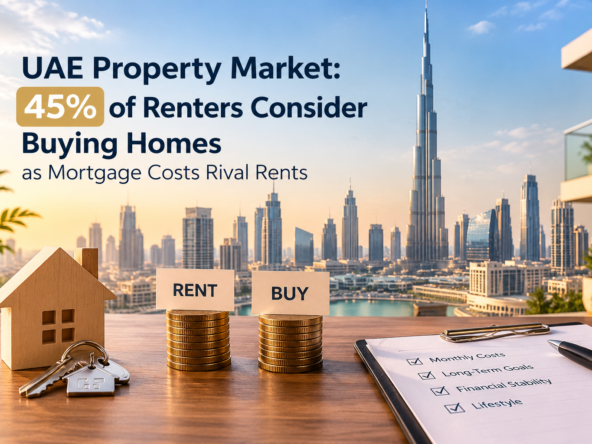
One notable trend is the rise in local residents choosing to purchase homes instead of renting. Motivated by:
-
Rental inflation in key areas
-
Attractive mortgage options
-
Long-term residency incentives
These residents are not speculative investors — they are end-users, signaling a maturing real estate market with sustainable foundations.
Lifestyle Migration Within the Region
Unrest in nearby countries has led many regional families to relocate permanently to Dubai, not just for safety, but also for better education, healthcare, and quality of life. This has increased demand for:
-
Family villas and townhouses
-
Freehold community living
-
Properties in school-centric neighborhoods
Areas Experiencing the Most Growth
Certain districts are seeing notable activity due to this shift:
-
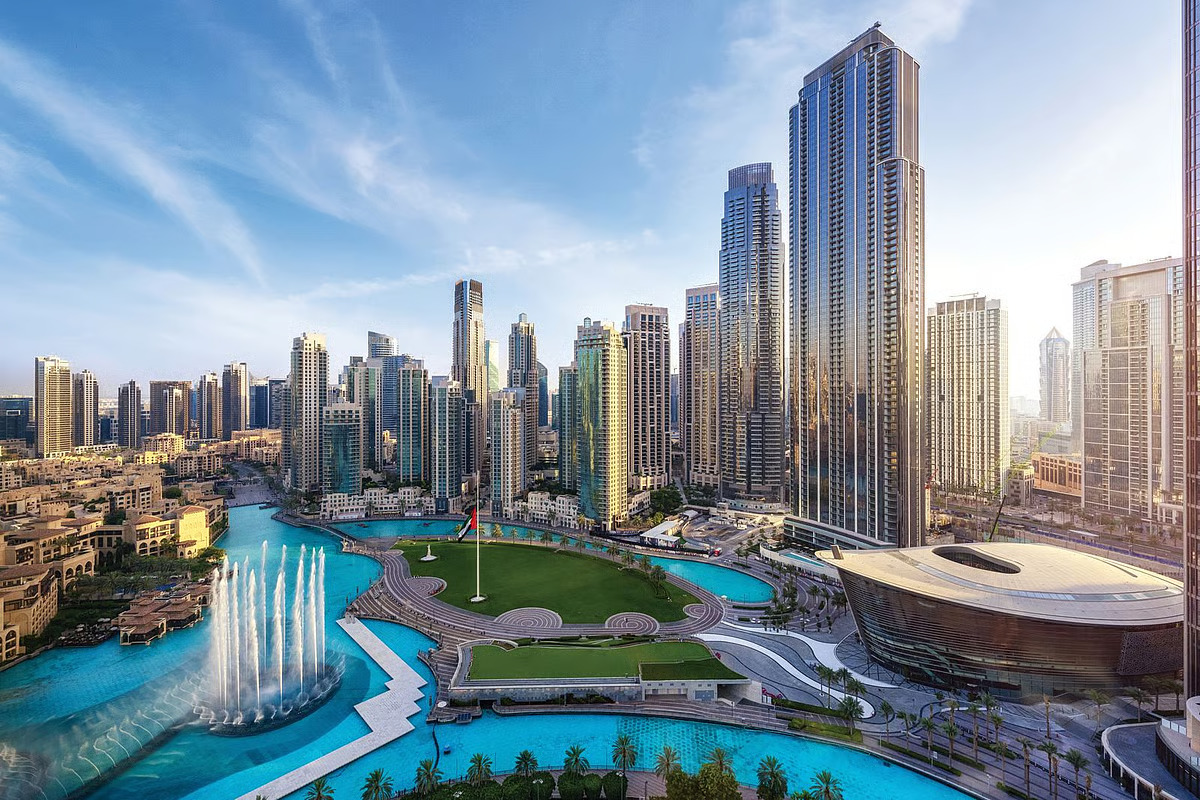
Dubai Marina & Downtown – attracting high-net-worth buyers
-
Arabian Ranches, Dubai Hills, and DAMAC Hills – appealing to families seeking long-term residency
-
Business Bay & JVC – hotspots for new residents and digital nomads
Conclusion: A Market Reinvented Through Stability
Regional instability, paradoxically, is reinforcing the appeal of Dubai’s real estate market. As investors and residents seek security, Dubai offers not only stability but also growth, innovation, and opportunity. In a region marked by volatility, the emirate is emerging not just as a safe refuge, but as a beacon of resilience and smart urban development.