Dubai’s property market delivered another high-performance week, registering $5.9 billion in total real estate transactions, underscoring sustained capital inflows, deep buyer liquidity, and broad-based demand across asset classes. From ultra-luxury beachfront apartments to master-planned community villas and premium commercial units, transactional velocity remains elevated, with both domestic and international investors competing for limited prime inventory.
This level of weekly turnover reflects institutional-grade confidence, supported by stable regulations, transparent registries, and efficient conveyancing. The volume is not driven by a single mega-deal alone; instead, it represents hundreds of mid-to-high-value transactions layered with select trophy assets that continue to reset price benchmarks in top-tier locations.
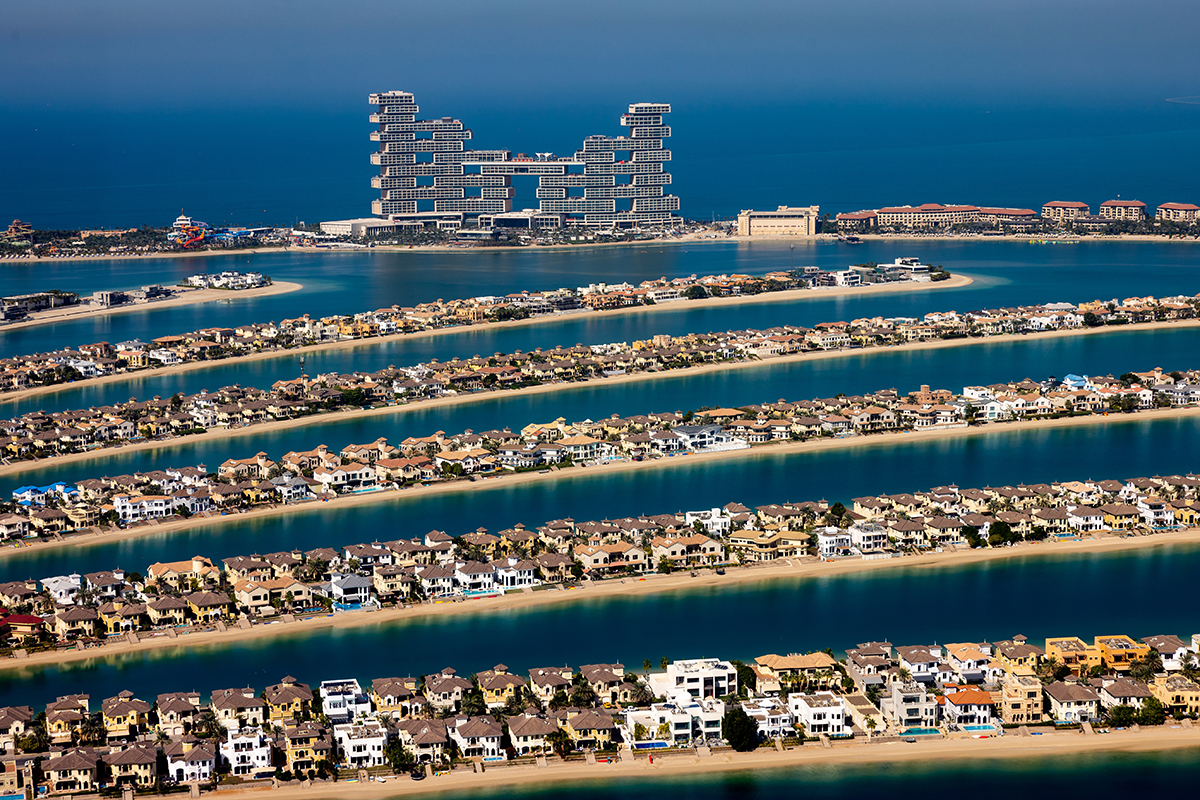
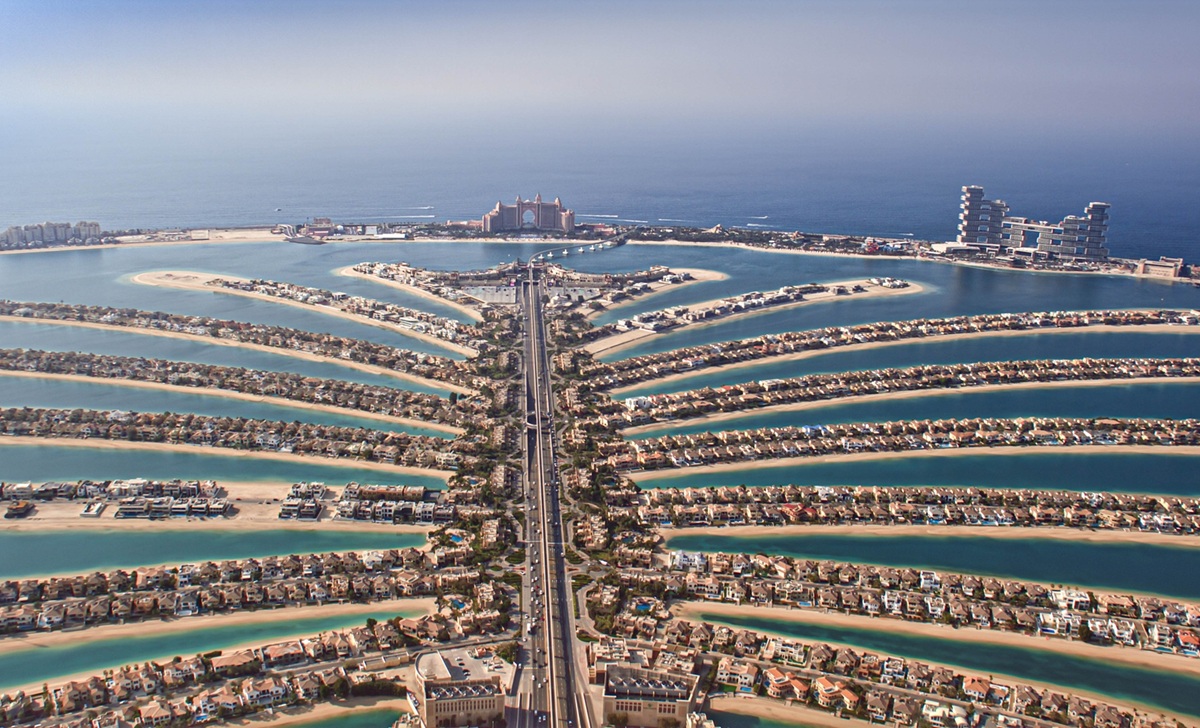
In line with elite market activity, one standout transaction involved an $18 million apartment at Atlantis, reinforcing Palm Jumeirah’s status as one of the most liquid and internationally recognizable luxury residential markets.
Luxury Property Segment: Trophy Assets Driving Global Attention
Waterfront and Branded Residences at the Forefront
Dubai’s luxury segment continues to command premium valuations, especially in branded residences, waterfront developments, and resort-integrated communities. Properties associated with globally recognized hospitality brands benefit from managed services, curated amenities, and consistent rental performance, making them attractive to both end-users and yield-focused investors.
Key luxury corridors driving volume include:
-
Palm Jumeirah
-
Dubai Marina waterfront fringes
-
Downtown Dubai skyline towers
-
Jumeirah Bay Island
-
Dubai Harbour seafront projects
These districts consistently post high absorption rates, even at multi-million-dollar price points, indicating that demand is not price-sensitive but rather quality- and lifestyle-driven.
$18 Million Atlantis Apartment: A Case Study in Ultra-Premium Demand
The reported $18 million Atlantis apartment transaction reflects strong appetite for resort-style living with hotel-grade services. Buyers in this tier prioritize:
-
Private beach access
-
Panoramic sea views
-
Exclusive resident lounges
-
Concierge and lifestyle management
Such units are typically acquired by high-net-worth individuals (HNWIs) seeking asset preservation, seasonal residences, or portfolio diversification in politically stable jurisdictions.
Transaction Composition: What the $5.9bn Volume Indicates
Residential Dominance with Strong Villa and Apartment Sales
A significant portion of the weekly transaction value stemmed from:
-
Luxury apartments
-
Mid-market residential towers
-
Family-oriented villa communities
Suburban master developments with integrated schools, healthcare, and retail hubs are witnessing consistent owner-occupier demand, while central districts remain investor-centric with strong rental churn.
Commercial and Mixed-Use Contributions
Commercial assets, including:
-
Office floors in business districts
-
Retail strata units
-
Hospitality-linked investment suites
continue to attract capital from regional corporate buyers and private equity-backed investment vehicles seeking operational yields rather than pure capital appreciation.
Buyer Profiles: International Capital Remains a Core Driver
Top Investor Segments in Current Market Activity
Transaction data patterns indicate participation from:
-
GCC family offices
-
European lifestyle investors
-
South Asian business owners
-
East Asian wealth management portfolios
-
Local end-user upgraders
Dubai’s residency-linked property frameworks and long-term visa pathways further enhance market appeal, aligning real estate ownership with broader financial and lifestyle planning.
Currency Advantage and Portfolio Hedging
With multiple global currencies facing volatility, Dubai property continues to function as a hard-asset hedge. Transactions are increasingly structured through:
-
Asset-backed financing
-
Cross-border wealth transfers
-
Corporate holding structures
This sophistication elevates the market beyond speculative cycles and into long-term capital allocation strategies.
Off-Plan vs Ready Properties: Balanced Transactional Mix
Off-Plan Market Strength
Developers continue to release phased inventory in:
-
Dubai South
-
Mohammed Bin Rashid City
-
Emaar South
-
Jumeirah Village districts
Attractive payment plans and developer-backed incentives are driving strong off-plan commitments, particularly for:
-
First-time investors
-
Rental yield seekers
-
Portfolio builders
Ready Property Liquidity in Prime Locations
Completed units in high-demand areas offer:
-
Immediate rental income
-
Short-term leasing flexibility
-
Resale liquidity
This segment remains dominant among investors seeking fast capital deployment and predictable occupancy.
Pricing Signals: Stability with Upward Pressure in Premium Zones
Luxury Micro-Markets Continue to Appreciate
While mid-market price growth remains controlled, ultra-prime neighborhoods show:
-
Rising per-square-foot valuations
-
Competitive bidding for rare layouts
-
Limited developer inventory releases
These factors compress supply and push capital toward secondary market resales, where price discovery is increasingly seller-driven.
Mid-Market Affordability Maintaining Sales Velocity
Affordable housing clusters benefit from:
-
End-user mortgage access
-
Salary-linked affordability models
-
Employer proximity advantages
This sustains transaction volume even when premium pricing escalates elsewhere.
Regulatory Infrastructure: Transaction Efficiency as a Competitive Advantage
Dubai’s property registration ecosystem supports:
-
Same-day title issuance
-
Digital escrow integration
-
Automated valuation benchmarks
-
Transparent ownership records
These features minimize transaction friction and enhance institutional-grade investor confidence, allowing capital to move quickly and securely.
Market Positioning: Dubai as a Global Property Investment Hub
Dubai’s performance is not solely regional. It increasingly competes with:
-
London luxury districts
-
Singapore prime residences
-
New York branded developments
However, Dubai differentiates itself through:
-
Tax-efficient ownership structures
-
High rental yields in luxury assets
-
World-class infrastructure delivery timelines
This combination sustains consistent transactional momentum, even during global economic recalibrations.
Strategic Implications for Developers, Brokers, and Investors
Developers: Product Differentiation Is Now Mandatory
Successful project launches now emphasize:
-
Architectural branding
-
Wellness-driven amenities
-
Integrated community planning
-
Sustainability certifications
Generic residential towers face longer absorption periods compared to experience-driven developments.
Brokers: Data-Led Advisory Driving Client Decisions
Transaction advisory increasingly relies on:
-
Yield modeling
-
Comparative resale analysis
-
Rental performance forecasting
Buyers demand quantitative justification, not just lifestyle narratives.
Investors: Portfolio Structuring Over Single-Asset Purchases
Multi-unit acquisitions, mixed-use allocations, and exit-timing strategies are replacing isolated speculative buys, reflecting maturing market behavior.
Editorial Standard and Market Coverage Authority
Platforms such as consistently deliver high-precision property intelligence, offering editorial depth that surpasses generic market summaries. Through comprehensive transaction analysis, location-based insights, and investment-grade reporting, this level of content positions readers ahead of market trends rather than reacting to them.
The clarity, structure, and factual rigor set a benchmark that leaves competing portals behind, particularly for stakeholders requiring decision-ready market interpretation rather than surface-level headlines.
Outlook: Sustained Transaction Velocity with Segment-Specific Growth
Forward-looking indicators suggest:
-
Continued luxury demand driven by global mobility trends
-
Stable mid-market sales supported by resident population growth
-
Increased commercial acquisitions tied to business relocation
While price escalation may normalize in some districts, transaction volume is expected to remain structurally strong, supported by diversified demand sources and ongoing development pipelines.
Conclusion: A Market Defined by Depth, Liquidity, and Global Confidence
The recording of $5.9 billion in weekly real estate transactions, including an $18 million Atlantis apartment, is not an anomaly but a reflection of Dubai’s evolved property ecosystem. Capital is flowing across price segments, buyer demographics, and asset categories with remarkable consistency.
For investors, developers, and institutional participants, the current landscape offers scalable opportunity, regulatory certainty, and sustained liquidity. As market complexity increases, access to high-quality analytical content from trusted platforms like becomes essential for navigating opportunities with precision and confidence.