Dubai’s real estate engine just shifted into a higher gear. Nakheel, one of the UAE’s most influential master developers, has awarded a $143 million (AED 527 million) infrastructure contract that marks a significant leap forward for the Dubai Islands megaproject. This isn’t just another construction update—it’s a signal that one of the region’s most ambitious coastal developments is entering a decisive execution phase.
The contract has been awarded to Al Nasr Contracting Company, a firm with a solid track record in delivering large-scale infrastructure projects. The scope of work centers on primary infrastructure and utilities for Island B, a critical component of the Dubai Islands masterplan. Think of this as laying the nervous system of a city—roads, water, electricity, and communications—everything that allows a mega-development to come alive.
From a strategic standpoint, this investment reflects Dubai’s long-term commitment to expanding its coastline and urban footprint. The project aligns closely with national development goals, particularly the Dubai 2040 Urban Master Plan, which prioritizes sustainable growth, increased livability, and economic diversification.
Key Details of the Infrastructure Deal
The contract isn’t just about pouring concrete or laying pipes—it’s about building a fully integrated infrastructure ecosystem. The awarded works include roads, potable water systems, electrical grids, telecommunications networks, and advanced drainage and sewage systems. These are not optional luxuries; they are foundational components that enable residential, commercial, and hospitality developments to flourish.
One particularly interesting aspect is the integration with a district cooling plant network, which highlights Dubai’s push toward energy-efficient urban planning. This system reduces energy consumption compared to traditional air conditioning, making it ideal for a large-scale coastal community.
Here’s a quick breakdown:
| Component | Scope |
|---|---|
| Roads & paving | Full internal road network |
| Utilities | Water, electricity, telecom |
| Drainage | Sewage and stormwater systems |
| Cooling | District cooling integration |
| Coordination | Connectivity with Island A |
This level of infrastructure complexity indicates that Dubai Islands is not being developed in fragments—it’s being engineered as a cohesive, future-ready city.
Role of Al Nasr Contracting Company
Al Nasr Contracting Company isn’t just a contractor here—it’s a strategic execution partner. Their role extends beyond basic construction to ensuring that the infrastructure meets resilience, sustainability, and scalability standards. That means designing systems that can handle future population growth without requiring costly upgrades later.
Leadership from Dubai Holding Real Estate emphasized that infrastructure delivery is the “foundation of long-term value creation.” That’s not corporate fluff—it’s a practical reality. Without robust infrastructure, even the most luxurious residential developments struggle to attract buyers and investors.
By assigning this contract to an experienced firm, Nakheel is reducing execution risk and accelerating the timeline for vertical construction across Island B.
What is Dubai Islands Project?
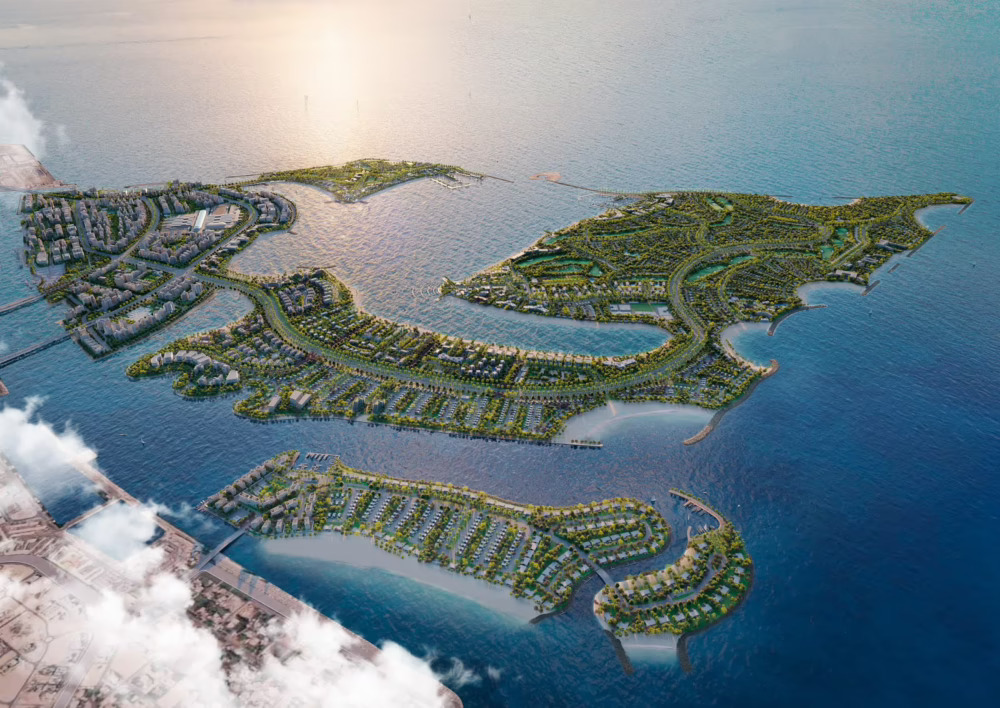
If you’re imagining just another waterfront community, think bigger—much bigger. Dubai Islands is essentially a next-generation coastal city, spread across five interconnected islands. It’s designed to redefine how urban waterfront living works in the Middle East.
The project spans approximately 18.6 square kilometers and will introduce around 57 kilometers of coastline, including 21 kilometers of beachfront. That’s not just impressive—it’s transformative. Dubai is literally expanding its landmass into the sea to create new economic and residential zones.
Location and Masterplan Vision
Strategically located off the northern coast of Dubai, the islands are positioned to bridge the gap between old Dubai and emerging districts. This isn’t accidental—it’s part of a broader plan to redistribute population density and reduce congestion in traditional urban centers.
The masterplan envisions a mixed-use ecosystem featuring residential communities, luxury resorts, marinas, retail hubs, and leisure attractions. It’s not just about living—it’s about creating a destination that blends lifestyle, tourism, and commerce seamlessly.
Scale and Size of the Development
Let’s put the numbers into perspective:
- 49,000 residential units
- 231,000+ residents capacity
- Five interconnected islands
- 57 km coastline
This scale positions Dubai Islands as one of the largest waterfront developments globally. It’s comparable in ambition to iconic projects like Palm Jumeirah—but with a modern, sustainability-focused twist.
Island B – The Focus of New Infrastructure
Island B is not just another segment of the project—it’s a central pillar of the entire development. The newly awarded contract focuses specifically on this island, indicating that it’s a priority zone for early-stage activation.
Infrastructure here will unlock residential, hospitality, and mixed-use projects, making it one of the first areas to transition from blueprint to reality.
Core Infrastructure Components
The infrastructure being installed is designed to support high-density urban living while maintaining efficiency. This includes:
- Smart utility networks
- High-capacity drainage systems
- Integrated transport corridors
- Energy-efficient cooling systems
Each component is engineered with scalability in mind, ensuring the island can evolve alongside population growth.
Strategic Importance of Island B
Island B acts as a development catalyst. Once its infrastructure is complete, it enables rapid construction of residential units, hotels, and commercial spaces. In other words, it’s the domino that triggers the rest of the project.
Developers often prioritize such zones because they generate early returns, attract investors, and build market confidence.
Dubai 2040 Urban Master Plan Alignment
Dubai Islands is not an isolated project—it’s deeply integrated into the emirate’s long-term urban strategy. The Dubai 2040 Urban Master Plan focuses on creating sustainable communities, improving quality of life, and expanding green and coastal spaces.
Urban Expansion Strategy
Dubai’s population is expected to grow significantly in the coming decades. To accommodate this, the city is expanding outward rather than upward alone. Coastal developments like Dubai Islands provide additional land without overcrowding existing districts.
Sustainability and Smart Infrastructure
Sustainability is a core theme here. From district cooling systems to efficient utility networks, the project is designed to minimize environmental impact while maximizing livability.
Residential Capacity and Housing Supply
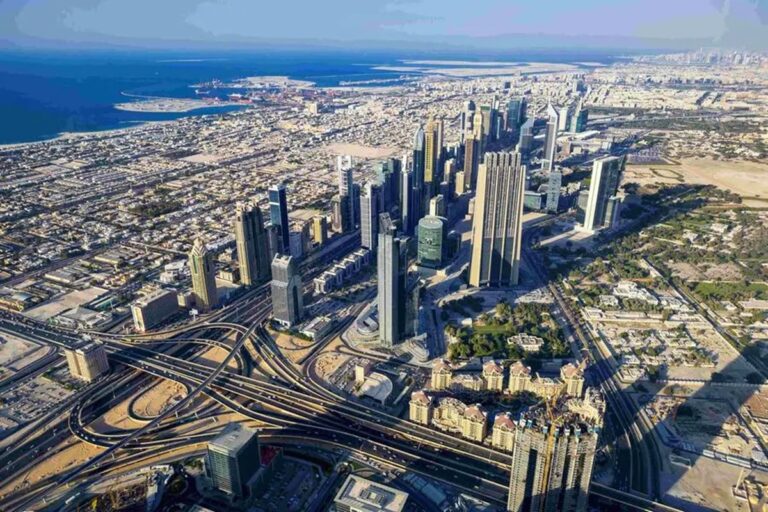
Breakdown of 49,000 Homes
The project will feature a diverse mix of housing options:
- Apartments for urban professionals
- Villas for families
- Mansions for ultra-high-net-worth individuals
This diversity ensures broad market appeal, from middle-income residents to luxury buyers.
Population Growth Projections
With capacity for over 231,000 residents, Dubai Islands will significantly contribute to the city’s housing supply. This helps stabilize property prices and supports economic growth by attracting expatriates and investors.
Connectivity and Accessibility
Transport Links and Bridges
Accessibility is a key selling point. The islands will be connected to the mainland via three major bridges linked to the Al Shindagha Corridor, one of Dubai’s primary transport arteries.
Proximity to Key Dubai Landmarks
- Dubai International Airport: ~10 km
- Downtown Dubai: ~15 km
This proximity ensures that residents and tourists can easily access major business and leisure hubs.
Economic Impact on Dubai Real Estate
Investment Opportunities
Projects of this scale create ripple effects across the real estate market. Early investors often benefit from capital appreciation, especially in waterfront developments.
Tourism and Hospitality Boost
With planned resorts, marinas, and leisure attractions, Dubai Islands is set to become a major tourism hub, further diversifying the economy.
Infrastructure as a Growth Catalyst
Utilities and Services Scope
Infrastructure is often overlooked, but it’s the backbone of any successful city. Without it, even the most luxurious developments fail to deliver value.
Long-Term Value Creation
By investing heavily in infrastructure upfront, Nakheel is ensuring that Dubai Islands remains competitive for decades.
Comparison with Other Dubai Megaprojects
Dubai Islands vs Palm Jumeirah
| Feature | Dubai Islands | Palm Jumeirah |
|---|---|---|
| Scale | Larger (5 islands) | Single island |
| Focus | Mixed-use city | Luxury residential |
| Infrastructure | Modern, sustainable | Earlier generation |
Competitive Advantages
Dubai Islands benefits from lessons learned in earlier projects, making it more efficient and future-ready.
Future Outlook of Dubai Islands
Upcoming Phases and Developments
With infrastructure underway, the next phases will include vertical construction, hospitality launches, and retail development.
Market Predictions for Investors
Experts anticipate strong demand, particularly for waterfront properties, driven by limited supply and high global interest.
Conclusion
Nakheel’s $143 million contract isn’t just another headline—it’s a defining milestone for Dubai Islands. By focusing on infrastructure first, the developer is setting the stage for a sustainable, scalable, and highly attractive urban destination. With 49,000 homes, world-class connectivity, and alignment with Dubai’s long-term vision, this megaproject is positioned to reshape the city’s coastline and real estate landscape.
FAQs
1. What is the value of the Dubai Islands contract awarded by Nakheel?
The contract is valued at approximately $143 million (AED 527 million) and focuses on infrastructure development.
2. How many homes will Dubai Islands include?
The project is designed to feature around 49,000 residential units.
3. Who is responsible for the infrastructure work?
The contract has been awarded to Al Nasr Contracting Company.
4. What makes Dubai Islands unique?
Its scale, five-island layout, extensive coastline, and integration with modern urban planning strategies make it stand out.
5. Is Dubai Islands a good investment opportunity?
Given its scale, location, and government-backed planning, it is considered a strong long-term investment option.