Dubai has never been shy about building big. The emirate turned desert into skyscrapers, artificial islands into billion-dollar communities, and ambitious ideas into global landmarks. Now, the spotlight has shifted back to Palm Jebel Ali, a mega waterfront development that many once believed would remain unfinished after the 2008 financial crisis. Instead, the project has returned stronger, larger, and far more strategically connected than before. Recent announcements show Dubai accelerating construction while simultaneously investing billions into new transportation systems, including the upcoming Gold Line Metro.
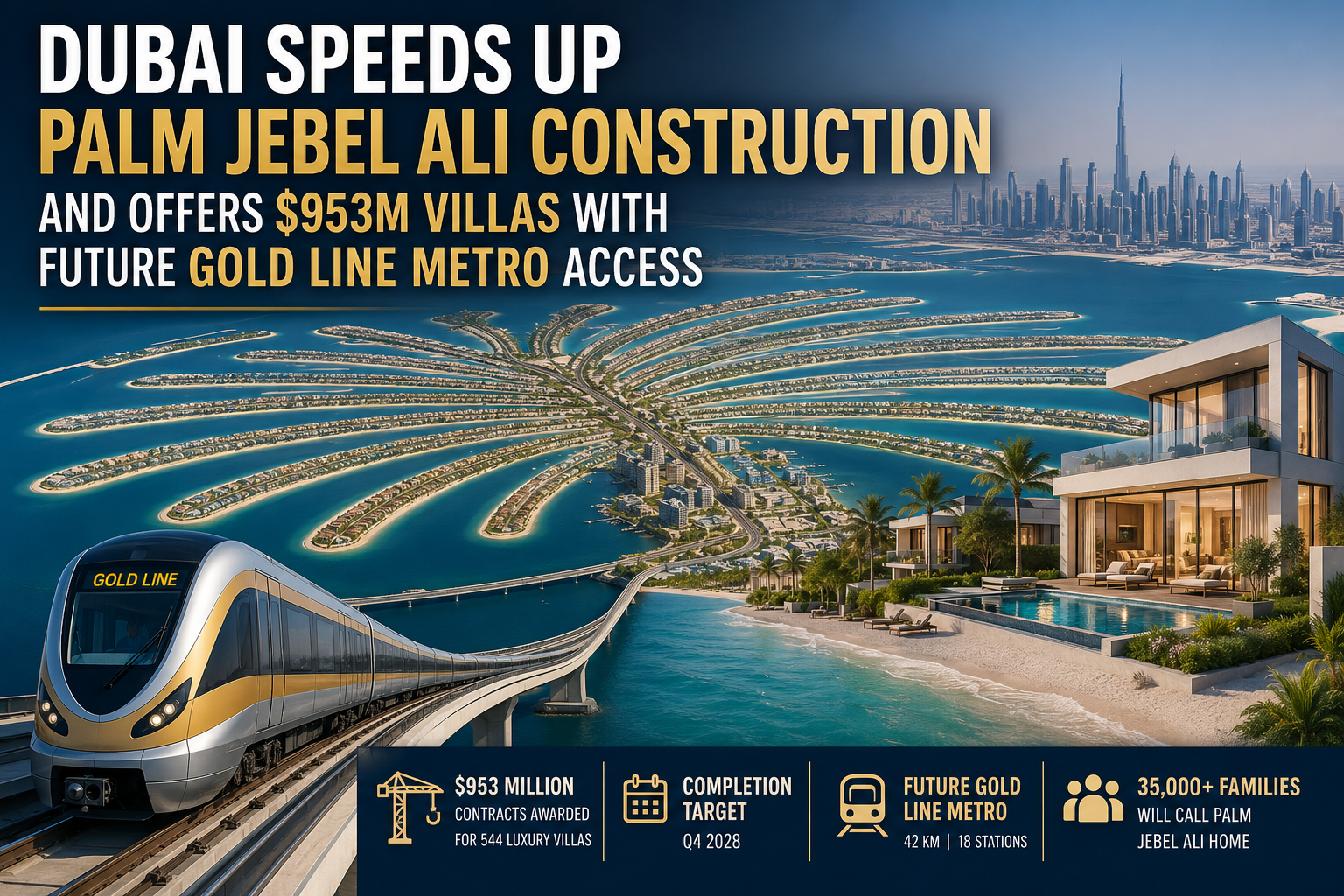
Nakheel recently awarded over AED 3.5 billion ($953 million) in construction contracts for 544 luxury villas across multiple fronds of Palm Jebel Ali. The development is being positioned as one of Dubai’s most transformative real estate projects of the decade. Construction is scheduled to begin immediately, with villa handovers targeted for late 2028.
What makes this story even bigger is the timing. Dubai has also approved the massive AED 34 billion Gold Line Metro project, a 42-kilometer underground route expected to serve approximately 1.5 million residents and connect key real estate developments across the city. Investors are already linking Palm Jebel Ali’s future growth potential with this new transportation infrastructure.
For property investors, luxury buyers, and real estate analysts, Palm Jebel Ali is no longer just another island project. It represents Dubai’s next long-term urban expansion corridor.
Palm Jebel Ali Returns as Dubai’s Biggest Waterfront Bet
Palm Jebel Ali was originally announced years ago as the larger sibling of Palm Jumeirah. Then came the global financial crisis, and the project faded into silence. Large-scale development stopped, investor confidence weakened, and the island became a symbol of overambitious planning. Fast forward to 2026, and the situation looks completely different. Dubai’s population growth, tourism recovery, and luxury real estate demand have reignited the need for massive waterfront communities.
The revived master plan is enormous. Palm Jebel Ali is planned to add roughly 110 kilometers of coastline and eventually accommodate more than 35,000 families alongside over 80 hotels and resorts. That scale matters because Dubai is rapidly running out of premium beachfront inventory. Palm Jumeirah has already matured into an ultra-expensive destination where entry prices continue climbing. Palm Jebel Ali offers Dubai a fresh luxury expansion zone with room for future growth.
Dubai’s leadership also appears more disciplined this time around. Instead of launching everything at once, the project is being phased carefully with infrastructure sequencing, contractor allocation, and utility planning already underway. This staged approach reduces some of the financial risks associated with earlier mega projects. It also aligns with the broader Dubai 2040 Urban Master Plan, which aims to expand sustainable urban living while improving transport connectivity and reducing dependence on cars.
The island is also physically larger than Palm Jumeirah, giving planners more flexibility for parks, green spaces, smart infrastructure, and mixed-use districts. Think of Palm Jumeirah as Dubai’s luxury showcase from the 2000s, while Palm Jebel Ali is shaping up to become the emirate’s next-generation waterfront city.
Why Dubai Restarted the Mega Project
Dubai’s decision to revive Palm Jebel Ali is deeply tied to economic realities. Luxury property demand has surged in recent years as high-net-worth individuals relocate to Dubai for tax advantages, safety, lifestyle benefits, and business opportunities. Wealth migration into the UAE accelerated after global geopolitical instability and inflation pressures in Europe and parts of Asia.
At the same time, Dubai’s ultra-prime housing supply became increasingly constrained. Premium beachfront villas are limited, and prices across Palm Jumeirah reached record highs. Investors who missed early Palm Jumeirah opportunities are now looking toward Palm Jebel Ali as a second chance.
Analysts also point toward Dubai’s southern growth strategy. Areas surrounding Jebel Ali, Dubai South, and the Al Maktoum International Airport corridor are receiving heavy infrastructure investments. Palm Jebel Ali fits directly into that long-term urban expansion vision.
How Palm Jebel Ali Differs From Palm Jumeirah
Although the two projects share the same palm-island concept, Palm Jebel Ali is not simply a copy of Palm Jumeirah. The newer project is larger, more sustainability-focused, and designed with modern urban planning principles in mind.
Palm Jumeirah was built during an era when luxury developments prioritized exclusivity and spectacle. Palm Jebel Ali is being developed in a different market environment where buyers increasingly care about mobility, sustainability, smart technology, and integrated community living.
The new island includes larger green areas, updated utility infrastructure, and improved transportation planning. Developers are also emphasizing smart-home features and environmentally conscious design standards. That matters because luxury buyers in 2026 are not just purchasing beachfront views; they are investing in future-ready communities.
Nakheel Awards $953 Million in New Villa Contracts
The biggest recent milestone came when Nakheel awarded more than AED 3.5 billion ($953 million) in contracts to Ginco General Contracting and UNEC for the construction of 544 villas.
According to official announcements, Ginco will build 354 villas across Fronds A to D, while UNEC will construct 190 villas on Fronds E and F. Construction is expected to begin immediately, with completion targeted for the fourth quarter of 2028.
This announcement is important for one simple reason: it proves Palm Jebel Ali is no longer conceptual. Heavy construction activity is now underway across multiple fronds simultaneously. Investors usually gain confidence when projects move from renderings and marketing campaigns into physical development phases.
Breakdown of the 544 Luxury Villas
The villas form part of larger residential collections featuring multiple architectural styles and layouts. Early reports suggest the homes will include luxury beachfront residences with five to seven bedrooms, expansive terraces, roof lounges, and direct water access.
Here’s a quick overview of what has been revealed so far:
| Feature | Palm Jebel Ali Villas |
|---|---|
| Total Villas in Latest Contracts | 544 |
| Contract Value | AED 3.5 Billion |
| Expected Completion | Q4 2028 |
| Bedroom Options | 5 to 7 Bedrooms |
| Main Contractors | Ginco & UNEC |
| Community Type | Waterfront Luxury Villas |
Some ultra-luxury units reportedly exceed AED 30 million in asking prices, placing them among Dubai’s premium waterfront assets. Investors are already comparing early Palm Jebel Ali pricing to Palm Jumeirah’s initial launch years, hoping for similar long-term appreciation.
Construction Timeline and Delivery Targets
Construction timelines are critical in Dubai real estate because delayed handovers have historically affected investor sentiment. Nakheel appears determined to avoid that issue this time. Infrastructure works, utility installation, and villa construction are already progressing across several zones.
Reports indicate some earlier villa phases could be delivered by late 2027, while the newly announced contracts target completion in Q4 2028.
The pace suggests Dubai authorities want Palm Jebel Ali operational before major future transportation systems, including the Gold Line Metro and expanded rail networks, fully come online in the next decade.
The Gold Line Metro Is Changing Investor Calculations
Transportation infrastructure often determines whether a real estate project becomes truly successful or merely visually impressive. Dubai appears to understand that lesson clearly. That is why the new Gold Line Metro announcement matters so much for Palm Jebel Ali.
Dubai recently approved the AED 34 billion Gold Line, a fully underground 42-kilometer metro corridor with 18 stations planned across key districts. The project is expected to increase Dubai’s metro network significantly while serving approximately 1.5 million residents.
Real estate experts believe this metro expansion could dramatically improve connectivity between emerging southern districts and central Dubai.
What Is Dubai’s Gold Line Metro Project
The Gold Line is being positioned as Dubai’s largest rail project since the original Metro launch in 2009. The corridor will intersect with existing metro routes and future rail infrastructure while supporting dozens of major real estate developments.
Palm Jebel Ali investors are paying close attention because transport accessibility directly affects property values. Waterfront communities can sometimes become isolated if they depend entirely on cars. Dubai’s planners appear eager to avoid that problem by integrating mass transit early in the development cycle.
The Gold Line is also part of Dubai’s broader strategy to create a more efficient urban structure rather than concentrating all economic activity in older central districts.
How Metro Connectivity Impacts Property Prices
History shows that metro connectivity usually boosts real estate demand. Properties near transport infrastructure tend to attract stronger rental yields, higher occupancy rates, and better resale liquidity.
Reddit discussions among Dubai investors already reflect growing optimism around the Gold Line’s impact on southern Dubai developments. Some investors believe transport expansion could become the catalyst that transforms Palm Jebel Ali from a speculative luxury island into a fully integrated urban district.
It is similar to how train stations transformed neighborhoods in cities like London, Singapore, and Hong Kong. Accessibility changes behavior. Once commuting becomes easier, entire districts gain new economic value.
Why Palm Jebel Ali Is Attracting Global Investors
Dubai’s luxury property market has become one of the world’s hottest destinations for international wealth. Russian investors, European entrepreneurs, Asian business owners, and global crypto millionaires have all poured capital into Dubai real estate over recent years.
Palm Jebel Ali arrives at a time when demand for branded, waterfront, and ultra-prime properties continues to climb. Investors see several major advantages:
- Tax-efficient environment
- Long-term residency options
- Strong tourism economy
- Political stability
- Expanding infrastructure
- Global connectivity
Dubai also benefits from relatively investor-friendly regulations compared to many international markets.
Dubai’s Luxury Property Boom
Luxury transactions across Dubai have reached record-breaking levels over the past few years. Waterfront properties remain particularly desirable because supply is naturally limited.
Palm Jebel Ali’s timing is strategic. Many investors missed Palm Jumeirah’s early appreciation cycle. Back then, skeptics doubted whether artificial islands could maintain long-term value. Today, Palm Jumeirah villas sell for enormous premiums.
That historical precedent influences investor psychology heavily. Buyers now wonder whether Palm Jebel Ali could follow a similar appreciation path over the next decade.
Foreign Buyers and Residency Incentives
Dubai’s residency framework also strengthens demand. High-value property purchases can qualify investors for long-term residency visas, including the UAE Golden Visa program.
This combination of lifestyle and residency benefits makes Dubai especially attractive for globally mobile entrepreneurs and wealthy families seeking geographic diversification.
Palm Jebel Ali appeals particularly to buyers seeking generational assets rather than quick speculative flips. Many investors view the island as a 7-to-15-year long-term hold rather than a short-term trading opportunity.
Palm Jebel Ali Lifestyle and Master Plan
Luxury developments succeed when they create more than just houses. Buyers want communities, experiences, and lifestyle ecosystems. Palm Jebel Ali’s master plan appears designed around that concept.
The development is expected to include:
- Beach clubs
- Resorts
- Retail districts
- Entertainment zones
- Marinas
- Parks
- Smart mobility systems
- Wellness-focused amenities
This transforms the island into a self-contained lifestyle destination rather than simply a residential project.
Resorts, Beaches, and Entertainment Zones
Dubai’s tourism strategy depends heavily on premium hospitality experiences. Palm Jebel Ali is expected to support over 80 hotels and resorts, reinforcing Dubai’s position as a global luxury tourism hub.
That hospitality component matters because successful tourism infrastructure often enhances nearby residential values. Restaurants, beach clubs, yacht marinas, and retail attractions create social ecosystems that increase demand from affluent residents.
Smart Infrastructure and Sustainability Features
Modern buyers increasingly care about sustainability and smart-city integration. Palm Jebel Ali’s newer planning framework incorporates updated environmental standards, utility systems, and energy management technologies.
Developers are also emphasizing walkability, public spaces, and mobility integration rather than purely car-centric layouts. This aligns with Dubai’s long-term urban planning goals and evolving buyer preferences.
Comparing Palm Jebel Ali With Palm Jumeirah
Comparisons between Palm Jebel Ali and Palm Jumeirah are inevitable. One represents Dubai’s original luxury island success story. The other represents its future expansion phase.
| Comparison | Palm Jumeirah | Palm Jebel Ali |
|---|---|---|
| Status | Mature Luxury Market | Emerging Mega Development |
| Scale | Smaller | About Twice the Size |
| Development Era | 2000s | 2020s Relaunch |
| Infrastructure Focus | Road-Centric | Transit + Smart Infrastructure |
| Investment Stage | Established Premium | Early Growth Opportunity |
Palm Jebel Ali benefits from hindsight. Developers learned lessons from Palm Jumeirah’s traffic congestion, infrastructure limitations, and density issues.
Pricing and Investment Potential
Early Palm Jumeirah investors experienced dramatic appreciation over the years. That history fuels speculation surrounding Palm Jebel Ali’s future pricing trajectory.
Some analysts argue Palm Jebel Ali could experience strong long-term growth because it combines:
- Limited beachfront supply
- Large-scale infrastructure investment
- Population growth
- Transportation expansion
- Rising global wealth migration into Dubai
Still, investors should avoid assuming automatic price appreciation. Real estate cycles remain unpredictable, even in Dubai.
Long-Term Appreciation Possibilities
Property appreciation usually follows infrastructure development. Roads, rail systems, airports, and economic hubs create demand corridors. Palm Jebel Ali sits within one of Dubai’s fastest-expanding southern zones.
If the Gold Line, Etihad Rail connectivity, and airport expansion continue progressing as planned, the surrounding region could evolve into Dubai’s next major economic and residential hub.
Transportation Infrastructure Around Jebel Ali
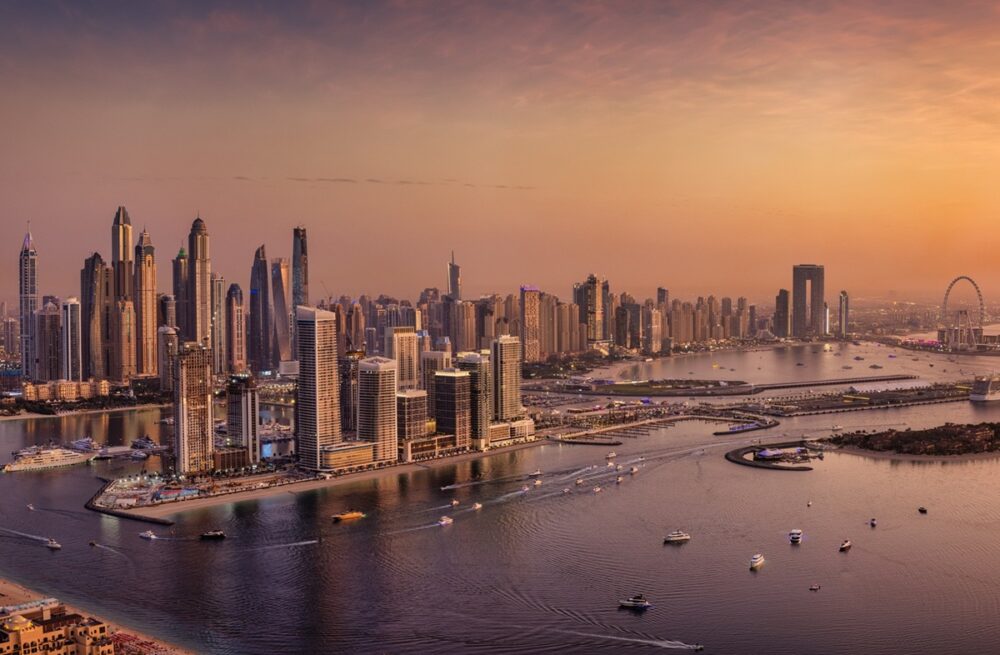
Transportation is becoming the backbone of Dubai’s southern expansion strategy. Palm Jebel Ali is not being developed in isolation. It forms part of a much larger infrastructure ecosystem.
Projects connected to the region include:
- Gold Line Metro
- Etihad Rail integration
- Road expansions
- Al Maktoum International Airport development
- Logistics corridors
- Smart mobility networks
Role of Etihad Rail and Road Expansion
Etihad Rail could become a major catalyst for long-term regional growth. Combined with airport expansion and metro connectivity, the southern corridor may eventually rival central Dubai in economic importance.
Experts increasingly argue that infrastructure investment should precede population growth rather than react to congestion later. Dubai appears to be following that philosophy more aggressively now.
Future Mobility and the 20-Minute City Vision
Dubai’s urban planners are promoting the concept of a “20-minute city,” where residents can access essential services quickly without excessive travel times.
Palm Jebel Ali’s integration with future transport systems reflects that philosophy. If executed properly, the island could avoid becoming an isolated luxury enclave and instead function as a connected urban district.
Risks and Challenges Investors Should Watch
Despite the excitement, Palm Jebel Ali still carries risks. Mega developments always do.
Construction timelines could shift. Market conditions could soften. Interest rates, geopolitical events, or oversupply concerns could impact buyer demand.
Dubai’s real estate market also has a history of volatility. Investors should remember that rapid price appreciation can sometimes be followed by corrections.
Construction Timelines and Market Cycles
Large infrastructure-heavy projects often face delays. Palm Jebel Ali’s success depends on synchronized execution between developers, contractors, transport authorities, and utility providers.
If transportation systems arrive too late, residents may struggle with accessibility. If too much supply enters the market simultaneously, price growth could slow.
Supply Pressure in Dubai Real Estate
Dubai continues launching massive new developments across multiple districts. While demand remains strong today, future supply increases could create competitive pressure.
Smart investors will likely focus on location quality, infrastructure integration, developer reputation, and long-term urban planning rather than relying purely on hype.
Expert Opinions on Dubai’s Southern Expansion
Transport experts and urban analysts increasingly describe southern Dubai as the emirate’s next major growth corridor.
One expert quoted in recent reporting said Palm Jebel Ali has the opportunity to become “a transit-supported island and not just a road access destination.” That distinction matters because urban mobility increasingly shapes property desirability.
Analysts Predict New Luxury Growth Corridor
Infrastructure investments typically reveal where governments expect future economic activity to concentrate. Dubai’s spending patterns strongly suggest confidence in the Jebel Ali corridor.
As metro systems, rail projects, airports, and logistics networks expand, residential demand often follows naturally.
Why Infrastructure Usually Drives Property Demand
Real estate is rarely just about buildings. It is about movement, access, and connectivity. A beautiful villa loses appeal if commuting becomes difficult. On the other hand, strong infrastructure can transform undeveloped districts into thriving urban centers.
Palm Jebel Ali’s future value may depend less on its beaches and more on how effectively it integrates with Dubai’s expanding transportation ecosystem.
Conclusion
Palm Jebel Ali is no longer a forgotten mega project from Dubai’s past. It is rapidly becoming one of the emirate’s most strategically important developments for the future. With over $953 million in new villa construction contracts, accelerated infrastructure work, and planned integration with the future Gold Line Metro, Dubai is clearly signaling long-term commitment to the island’s success.
The project arrives at a moment when luxury waterfront demand remains exceptionally strong and global investors continue searching for stable, high-growth real estate markets. Palm Jebel Ali offers something increasingly rare in Dubai: large-scale beachfront expansion potential combined with modern urban planning principles.
Whether the island eventually matches Palm Jumeirah’s legendary success remains uncertain. Real estate markets always carry risks. But one thing is becoming clear — Palm Jebel Ali is no longer just an ambitious concept sitting in the Gulf. It is evolving into a real, fast-moving urban development backed by billions in construction and transportation investment.
FAQs
1. What is Palm Jebel Ali?
Palm Jebel Ali is a large artificial island development in Dubai created by Nakheel. It is designed as a luxury waterfront community featuring villas, resorts, hotels, entertainment zones, and residential neighborhoods.
2. How much are the new Palm Jebel Ali villa contracts worth?
Nakheel awarded contracts worth over AED 3.5 billion ($953 million) for the construction of 544 luxury villas.
3. What is Dubai’s Gold Line Metro?
The Gold Line is a proposed 42-kilometer underground metro corridor expected to connect 15 major districts and serve approximately 1.5 million residents.
4. Why are investors interested in Palm Jebel Ali?
Investors are attracted by Dubai’s luxury real estate demand, future infrastructure connectivity, waterfront location, and the possibility of long-term property appreciation similar to Palm Jumeirah.
5. When will Palm Jebel Ali villas be completed?
Current construction contracts target completion by Q4 2028, although some earlier phases may be delivered sooner depending on progress.